Logo
TAAT e-catalog for Development partners
https://e-catalogs.taat-africa.org/org/technologies/mechanized-cassava-planting-and-harvesting
Request information View pitch brochure

Mechanized Cassava Planting and Harvesting

Empowering Cassava Farmers: More Yield, Less Labor, Better Quality

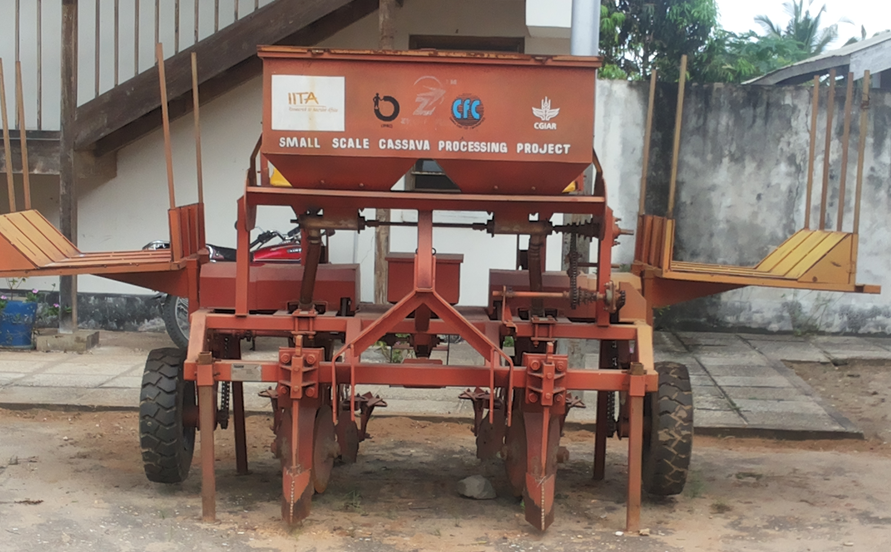
Mechanized cassava planting and harvesting technology is a specialized machinery of two-row planters and harvesters, typically operated by tractors. This technology significantly improves the efficiency of cassava farming by reducing labor requirements, increasing productivity, and minimizing root damage during harvesting. It not only addresses the labor bottleneck associated with manual planting and harvesting but also plays a vital role in increasing cassava yields, making cassava farming more competitive, and reducing production costs.
This technology is TAAT1 validated.

8•7

Scaling readiness: idea maturity 8/9; level of use 7/9

Adults 18 and over: Positive high

The poor: Positive low

Under 18: Positive low

Women: Positive low

Climate adaptability: Moderately adaptable

Farmer climate change readiness: Significant improvement

Biodiversity: No impact on biodiversity

Carbon footprint: Same amount of carbon released

Environmental health: Greatly improves environmental health

Soil quality: Does not affect soil health and fertility

Water use: Same amount of water used

Problem

Mechanized cassava planting and harvesting technology addresses several key issues in cassava production in Africa:

  • Low Yields: Cassava farmers in Africa often struggle with low yields of 10t/ha, making them less competitive in the global market where higher yields are expected.
  • Labor-Intensive Operations: Manual planting and harvesting of cassava are labor-intensive and time-consuming processes, requiring a significant workforce.
  • Root Damage: Manual harvesting can result in high root damage, especially during the dry season, leading to yield losses.
  • Labor Bottleneck: The reliance on manual labor creates a bottleneck in cassava production and limits productivity.
  • Competitiveness: To enhance the competitiveness of the cassava sub-sector, there is a need to overcome these issues and increase yields while reducing production costs.

Solution

The mechanized cassava planting and harvesting technology offers several advantages:

Increased Yield: This technology significantly boosts cassava yields, aiming to achieve a 38% yield increase and minimum of 25 tons per hectare when combined with the right fertilizer use, improved varieties and weed management practices, making African cassava farmers more competitive in the global market.

Labor Efficiency: Mechanization reduces the labor-intensive nature of planting and harvesting cassava. For example, a two-row mechanical planter can plant 7-10 hectares in a day, far more efficiently than manual planting with 8 to 10 laborers.

Cost Savings: Mechanized planting and harvesting are more cost-effective, with a two-row mechanical planter being 50% cheaper than manual planting. This cost efficiency benefits cassava farmers.

Minimized Root Damage: Manual harvesting can lead to root damage, especially during the dry season. Mechanized harvesting reduces root damage, ensuring better crop quality.

Enhanced Competitiveness: Overall, this technology aims to enhance the competitiveness of the cassava sub-sector by increasing productivity and reducing production costs, aligning African cassava farming with global standards.

Key points to design your program

Mechanized Cassava Planting and Harvesting replaces labor-intensive manual planting and harvesting with specialized tractor-operated machinery that improves planting precision, harvesting efficiency, and operational performance. By reducing labor bottlenecks and expanding access to mechanization services, the technology supports increased cassava productivity, greater operational efficiency, and the commercialization of cassava value chains. It is well suited for agricultural modernization, rural mechanization, and agro-industrialization programmes, contributing to SDGs 2 (Zero Hunger) and 13 (Climate Action). The technology also creates employment and business opportunities for machinery operators, mechanization service providers, women, and youth through the development of sustainable mechanization service enterprises. To successfully integrate this technology, consider the following key actions:

  • Identify priority cassava-producing areas where labor shortages and limited access to mechanization constrain productivity and commercial production.
  • Establish partnerships with IITA, national agricultural research institutes, mechanization service providers, extension services, private equipment suppliers, and farmer organizations to coordinate technology deployment, technical supervision, and equipment maintenance.
  • Support the establishment of regional mechanization hubs and service delivery models that enable farmers to access planting and harvesting services without purchasing machinery.
  • Invest in appropriate mechanization equipment, including 90 hp tractors for planting and 120 hp tractors for harvesting, while strengthening local maintenance services and spare parts supply chains.
  • Train machinery operators, technicians, extension agents, and service providers on equipment calibration, operation, preventive maintenance, and safe mechanized field operations.
  • Facilitate access to mechanization services through sustainable business models such as custom hiring centres, contractor networks, pay-per-use arrangements, leasing options, and other financing mechanisms adapted to smallholder farmers and rural entrepreneurs.
  • Promote integrated production systems by combining mechanized planting and harvesting with improved cassava varieties, good agronomic practices, and complementary production technologies.
  • Promote the participation of women and youth by supporting employment and entrepreneurship opportunities in mechanization services, equipment operation, maintenance, and agribusiness development.
  • Monitor programme performance through indicators such as mechanized area, service utilization, productivity improvements, operational efficiency, and the participation of women and youth.

13 USD/ha

Cost of mechanized planting

25 USD/ha

Cost of mechanized harvesting

IP

Open source / open access

Scaling Readiness describes how complete a technology\’s development is and its ability to be scaled. It produces a score that measures a technology\’s readiness along two axes: the level of maturity of the idea itself, and the level to which the technology has been used so far.

Each axis goes from 0 to 9 where 9 is the “ready-to-scale” status. For each technology profile in the e-catalogs we have documented the scaling readiness status from evidence given by the technology providers. The e-catalogs only showcase technologies for which the scaling readiness score is at least 8 for maturity of the idea and 7 for the level of use.

The graph below represents visually the scaling readiness status for this technology, you can see the label of each level by hovering your mouse cursor on the number.

Read more about scaling readiness ›

Scaling readiness score of this technology

Maturity of the idea 8 out of 9

Uncontrolled environment: tested

Level of use 8 out of 9

Common use by projects NOT connected to technology provider

Maturity of the idea Level of use
9
8
7
6
5
4
3
2
1
1 2 3 4 5 6 7 8 9

Enabling Environments for Sustainable Regional Agriculture Extension (ENSURE)

  • Project funder: African Development Bank & East Africa Community

  • Planned Budget: USD 13.14 million

  • Location: East African Community (Burundi, DRC, Kenya, Rwanda, South Sudan, Tanzania, Uganda)

  • Planned duration: 2024–2027

  • Deployment means: On-farm demonstrations, training, digital tools (SMS, IVR, video, radio, pictorial guides), bundled inputs + advisory services, Training of Trainers (ToT)

  • Project main implementer: East African Community (EAC)

  • Project Description: Strengthen agricultural extension systems using digital tools, private-sector approaches, regional coordination, and multi-commodity focus (maize, cassava, rice, drought-resilient crops).

  • Objective: Promote regional extension, enhance advisory services, scale climate-smart technologies, build sustainable private sector–led extension systems, strengthen policy and regulatory frameworks.

  • Expected outcome: Increased adoption of improved technologies, improved farmer productivity and profitability, enhanced access to quality inputs and pest management solutions, strengthened resilience to climate and pest risks, regional market integration, job creation for youth and agripreneurs.

  • Figures of adoption: Target 3 million farmers reached over 4 years, digital extension pilots in 7 EAC states, training of extension agents, lead farmers, cooperatives, and youth agripreneurs, rollout of Pest Information Management Systems (PIMS).

  • Profiles of adopters: Smallholder farmers, women, youth agripreneurs, cooperatives and producer organizations, public and private extension agents, National Plant Protection Officers (NPPOs).

  • Lessons learnt: System-level approaches needed beyond technology delivery, digital tools most effective with in-person facilitation, supportive policy/regulatory environment critical, regional harmonization boosts scalability and cross-border diffusion of technologies. 

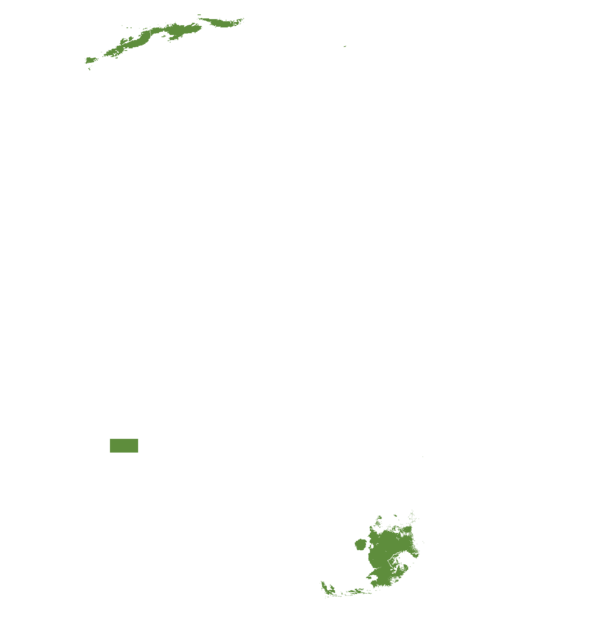
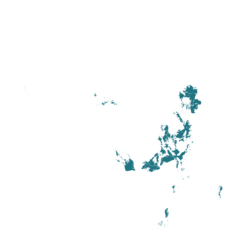
Countries with a green colour
Tested & adopted
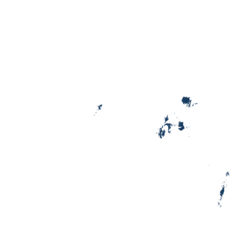
Countries with a bright green colour
Adopted
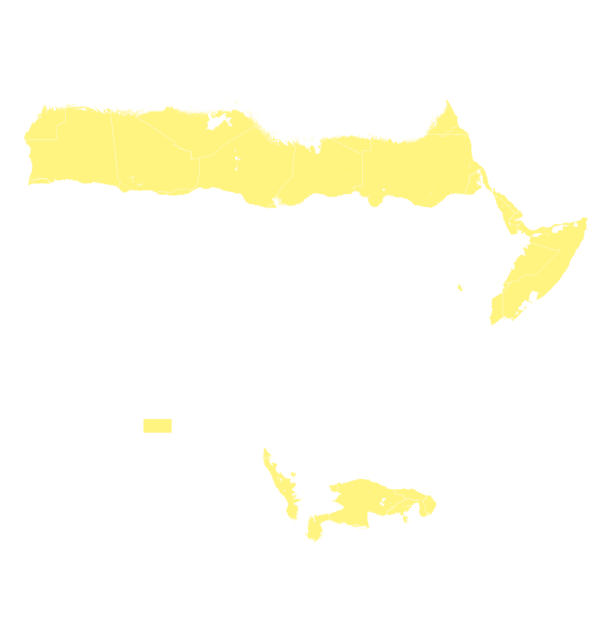
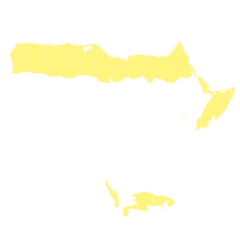
Countries with a yellow colour
Tested
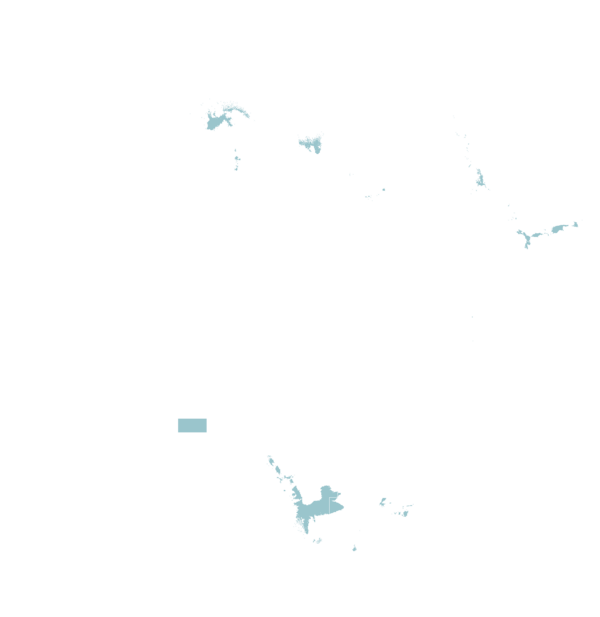
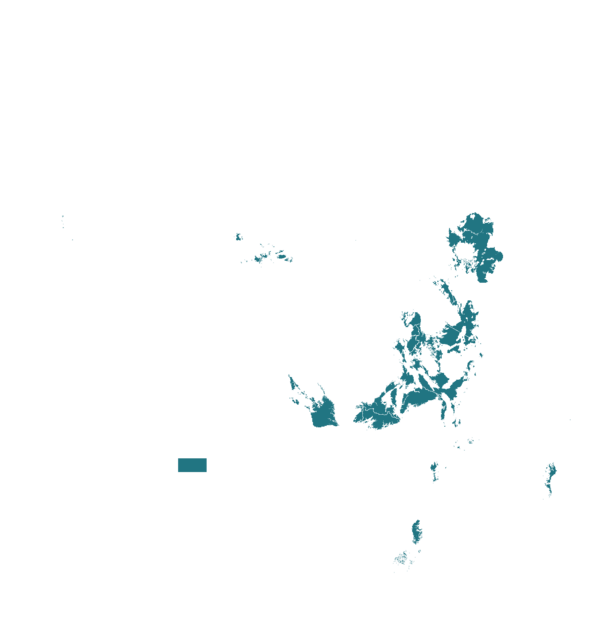
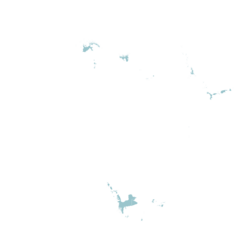
Countries with a blue colour
Testing ongoing
Egypt Equatorial Guinea Ethiopia Algeria Angola Benin Botswana Burundi Burkina Faso Democratic Republic of the Congo Djibouti Côte d’Ivoire Eritrea Gabon Gambia Ghana Guinea Guinea-Bissau Cameroon Kenya Libya Liberia Madagascar Mali Malawi Morocco Mauritania Mozambique Namibia Niger Nigeria Republic of the Congo Rwanda Zambia Senegal Sierra Leone Zimbabwe Somalia South Sudan Sudan South Africa Eswatini Tanzania Togo Tunisia Chad Uganda Western Sahara Central African Republic Lesotho
Countries where the technology is being tested or has been tested and adopted
Country Testing ongoing Tested Adopted
Ghana No ongoing testing Tested Adopted
Nigeria No ongoing testing Tested Adopted
Tanzania No ongoing testing Tested Adopted
Zambia No ongoing testing Tested Adopted

This technology can be used in the colored agro-ecological zones. Any zones shown in white are not suitable for this technology.
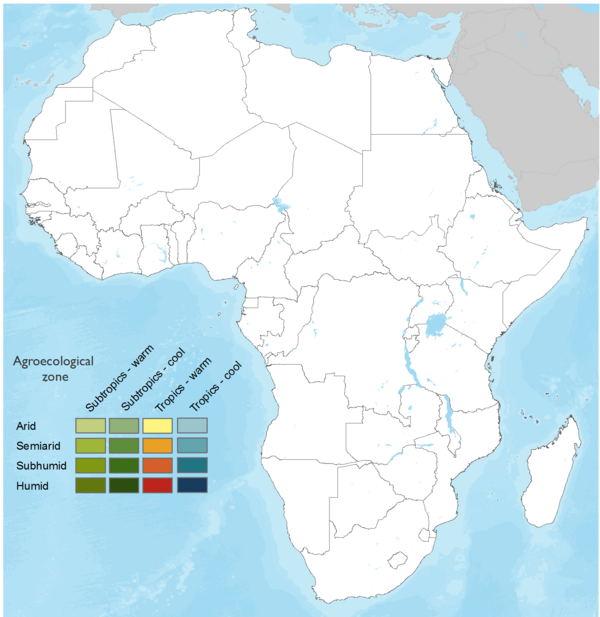
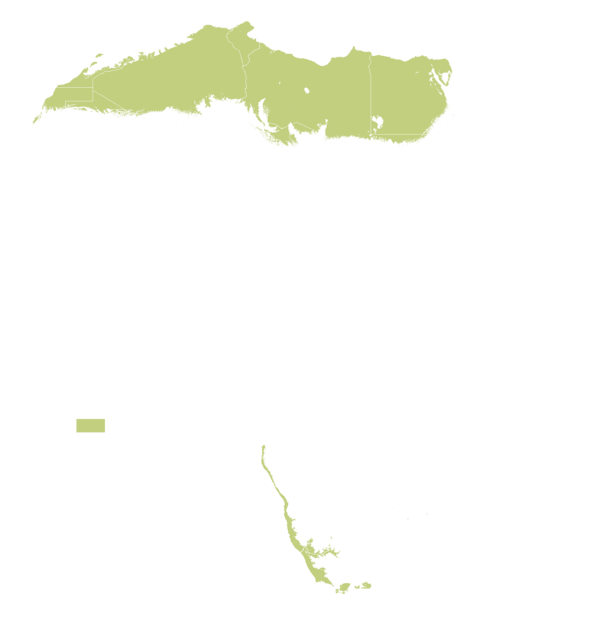
Agro-ecological zones where this technology can be used
AEZ Subtropic - warm Subtropic - cool Tropic - warm Tropic - cool
Arid
Semiarid
Subhumid
Humid

Source: HarvestChoice/IFPRI 2009

The United Nations Sustainable Development Goals that are applicable to this technology.
Sustainable Development Goal 2: zero hunger
Goal 2: zero hunger
Sustainable Development Goal 5: gender equality
Goal 5: gender equality
Sustainable Development Goal 13: climate action
Goal 13: climate action

The steps involved in mechanized cassava planting and harvesting are:

Mechanical Planting:

  1. Farm Preparation: Prior to mechanical planting, prepare the farm for cassava cultivation.
  2. Choose the Planter: Select a two-row or four-row mechanical planter designed for flat ground.
  3. Tractor Selection: Ensure you have a tractor with a minimum power of 90 hp (67.14 kW) to operate the planter.
  4. Stake Cutting: Install a power take-off (PTO) driven circular saw to cut cassava stakes into cuttings, typically ranging from 14 ± 3 cm to 149 ± 3 cm in length.
  5. Planting Depth: Maintain a planting depth between 60 and 100 mm below the soil surface.
  6. Spacing: Plant cassava with a row spacing of 700 mm, and no ridges are needed for this model of planter.

Mechanical Harvesting:

  1. Select the Harvester: Choose a two-row or four-row harvester, similar to the planter, for mechanical harvesting.
  2. Tractor Requirements: Ensure you have a tractor with a minimum power of 120 hp (89.52 kW) to operate the harvester.
  3. Digging Depth: Maintain a digging depth between 300 to 400 mm.
  4. Harvesting Rate: Mechanical harvesting can achieve a rate between 0.3 and 0.5 hectares per hour (ha/h).

Last updated on 3 July 2026