
TAAT e-catalog
for
Development partners
https://e-catalogs.taat-africa.org/org/technologies/affordable-fish-feed-production-formulation-and-pelleting-of-low-cost-feeds
Empowering Aquaculture with Affordable Feeds
Formulation and Pelleting of Low-Cost Feeds" is a critical aquaculture technology that aims to reduce the high cost of fish feeds in Sub-Saharan Africa. Fish farming operations often allocate a significant portion of their budget, around 60% to 70%, for imported or overseas blended feed ingredients. This technology facilitates the local production of affordable, nutritionally balanced fish feeds. By leveraging extrusion and pelleting techniques, it enhances feed stability, nutrient delivery, and ease of handling. This innovation has the potential to significantly boost the profitability and sustainability of fish farming businesses in the region.
This technology is TAAT1 validated.
| Project | Countries | Beneficiaries | Budget (USD) & duration | Key figures |
|---|---|---|---|---|
|
PROMAC Projet de Promotion de l’Aquaculture Durable et de Compétitivité des Chaines de Valeur de la Pêche |
|
|
102.86 million 2023–2028 |
|
Figures in italic are from project plans and may change during implementation.
Adults 18 and over: Positive high
The poor: Positive high
Under 18: Positive medium
Women: Positive low
Climate adaptability: Highly adaptable
Farmer climate change readiness: Significant improvement
Biodiversity: Positive impact on biodiversity
Carbon footprint: Same amount of carbon released
Environmental health: Moderately improves environmental health
Soil quality: Does not affect soil health and fertility
Water use: Same amount of water used
Affordable Fish Feed Production strengthens aquaculture value chains by improving the availability, affordability, and quality of fish feed produced from locally available ingredients. The technology addresses one of the major constraints to profitable aquaculture by reducing feed costs, improving feed quality, and strengthening local feed supply systems. By replacing imported feed ingredients with locally formulated and pelleted feeds, it improves feed efficiency, reduces production costs, and supports more sustainable aquaculture production. The technology is well suited for food security, aquaculture development, agribusiness, and blue economy programmes, contributing to SDGs 1 (No Poverty), 2 (Zero Hunger), 8 (Decent Work and Economic Growth), 12 (Responsible Consumption and Production), and 13 (Climate Action). It also creates business opportunities for women and youth through feed manufacturing, distribution, and aquaculture service enterprises. To successfully integrate this technology, consider the following key actions:
Equipment of production
Scaling Readiness describes how complete a technology's development is and its ability to be scaled. It produces a score that measures a technology's readiness along two axes: the level of maturity of the idea itself, and the level to which the technology has been used so far.
Each axis goes from 0 to 9 where 9 is the “ready-to-scale” status. For each technology profile in the e-catalogs we have documented the scaling readiness status from evidence given by the technology providers. The e-catalogs only showcase technologies for which the scaling readiness score is at least 8 for maturity of the idea and 7 for the level of use.
The graph below represents visually the scaling readiness status for this technology, you can see the label of each level by hovering your mouse cursor on the number.
Read more about scaling readiness ›
Uncontrolled environment: tested
Used by some intended users, in the real world
| Maturity of the idea | Level of use | |||||||||
| 9 | ||||||||||
| 8 | ||||||||||
| 7 | ||||||||||
| 6 | ||||||||||
| 5 | ||||||||||
| 4 | ||||||||||
| 3 | ||||||||||
| 2 | ||||||||||
| 1 | ||||||||||
| 1 | 2 | 3 | 4 | 5 | 6 | 7 | 8 | 9 | ||
| Project | Countries | Beneficiaries | Budget (USD) & duration | Key figures |
|---|---|---|---|---|
|
PROMAC Projet de Promotion de l’Aquaculture Durable et de Compétitivité des Chaines de Valeur de la Pêche |
|
|
102.86 million 2023–2028 |
|
Figures in italic are from project plans and may change during implementation.
| Country | Testing ongoing | Tested | Adopted |
|---|---|---|---|
| Benin | –No ongoing testing | Tested | Adopted |
| Botswana | –No ongoing testing | Tested | Adopted |
| Cameroon | –No ongoing testing | Tested | Adopted |
| Congo | –No ongoing testing | –Not tested | Adopted |
| Côte d'Ivoire | –No ongoing testing | Tested | Adopted |
| Djibouti | –No ongoing testing | Tested | Adopted |
| Equatorial Guinea | –No ongoing testing | Tested | Adopted |
| Ethiopia | –No ongoing testing | Tested | Adopted |
| Kenya | –No ongoing testing | Tested | Adopted |
| Liberia | –No ongoing testing | Tested | Adopted |
| Madagascar | –No ongoing testing | Tested | Adopted |
| Malawi | –No ongoing testing | Tested | Adopted |
| Mozambique | –No ongoing testing | Tested | Adopted |
| Nigeria | –No ongoing testing | Tested | Adopted |
| Rwanda | –No ongoing testing | Tested | Adopted |
| Senegal | –No ongoing testing | Tested | Adopted |
| Sierra Leone | –No ongoing testing | Tested | Adopted |
| South Sudan | –No ongoing testing | Tested | Adopted |
| Tanzania, United Republic | –No ongoing testing | Tested | Adopted |
| The Democratic Republic of the Congo | –No ongoing testing | Tested | Adopted |
| The Republic of the Sudan | –No ongoing testing | –Not tested | Adopted |
| Uganda | –No ongoing testing | Tested | Adopted |
| Zambia | –No ongoing testing | Tested | Adopted |
| Zimbabwe | –No ongoing testing | Tested | Adopted |
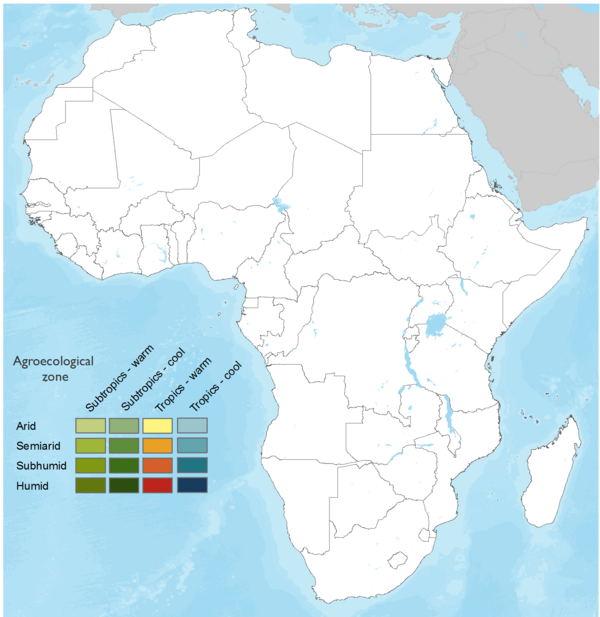
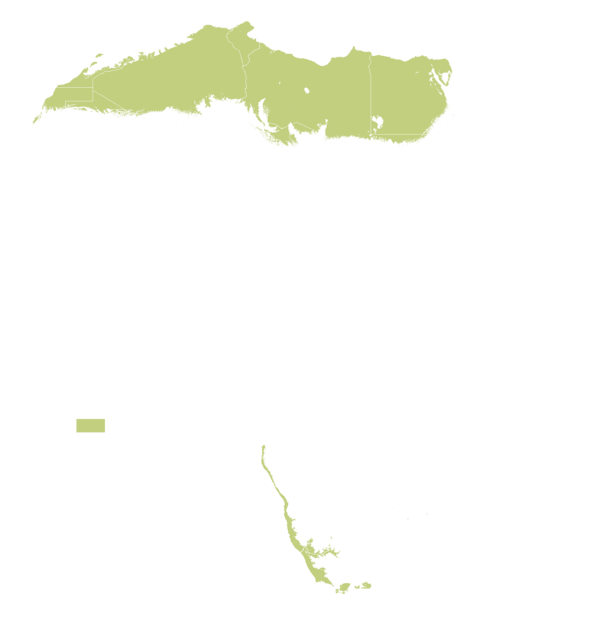
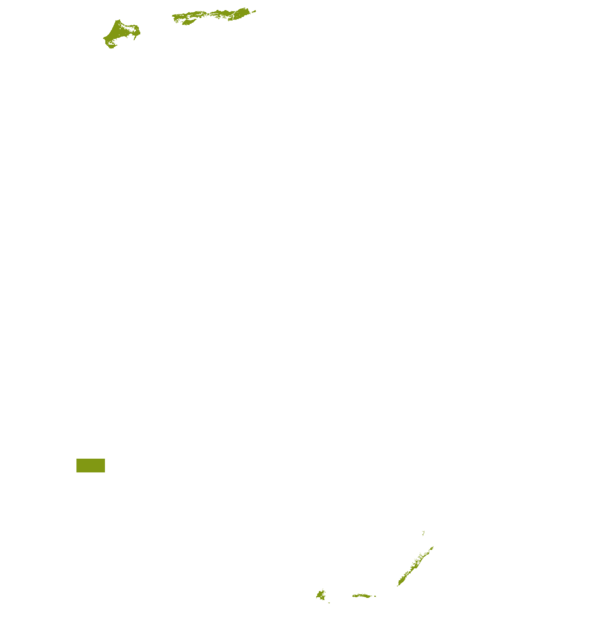
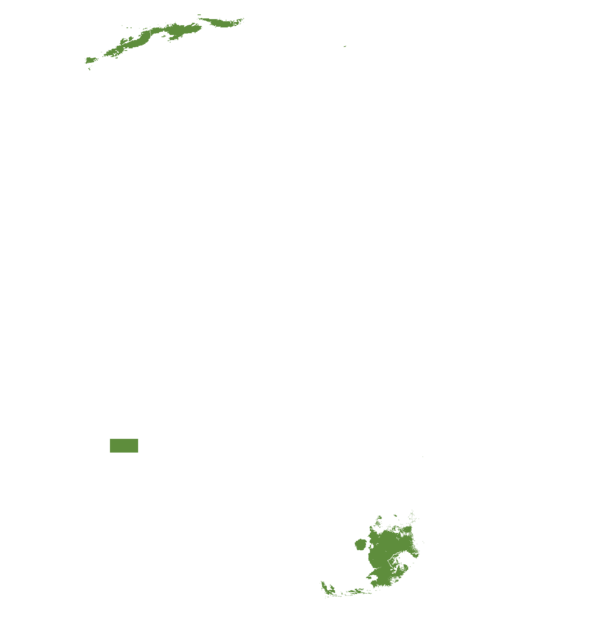
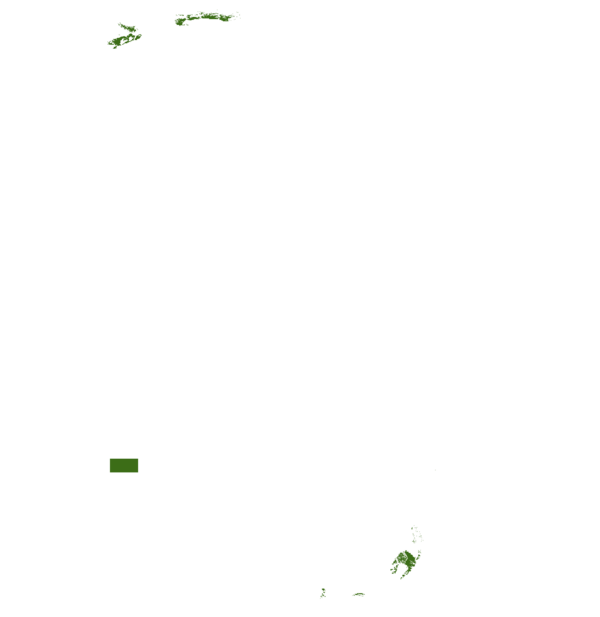
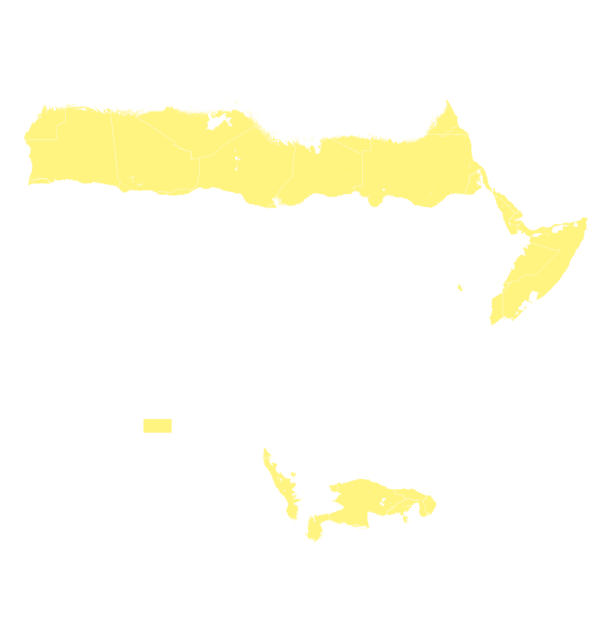
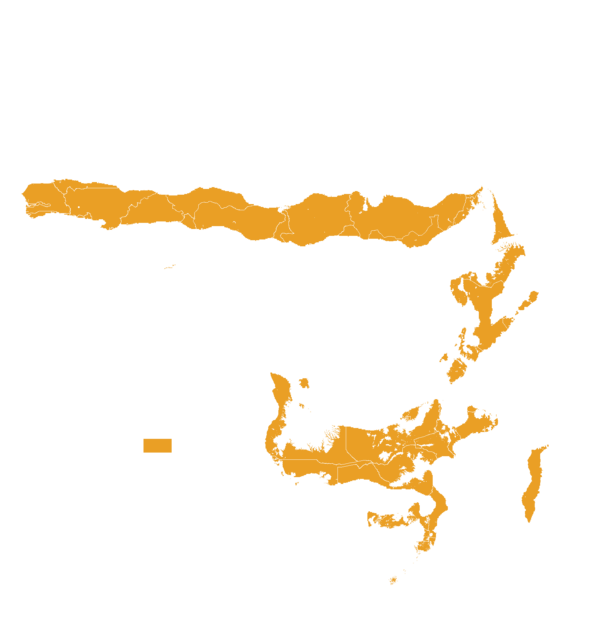
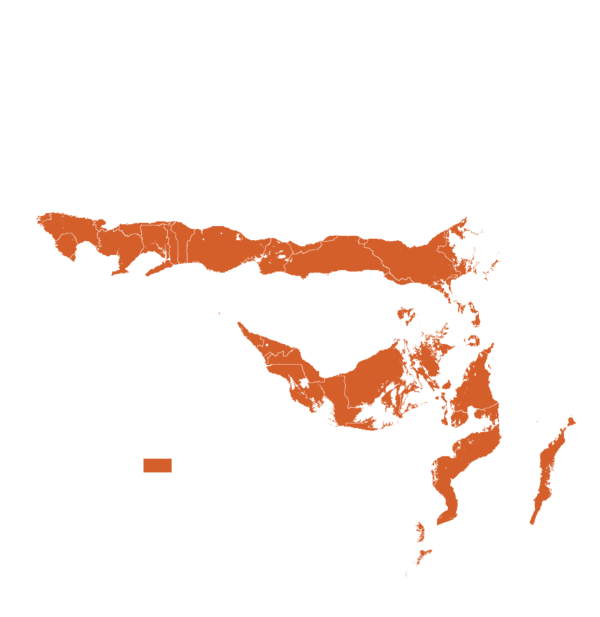
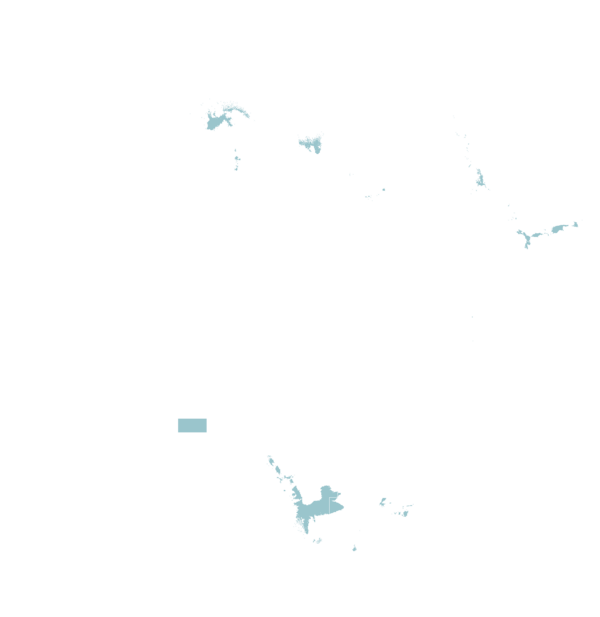
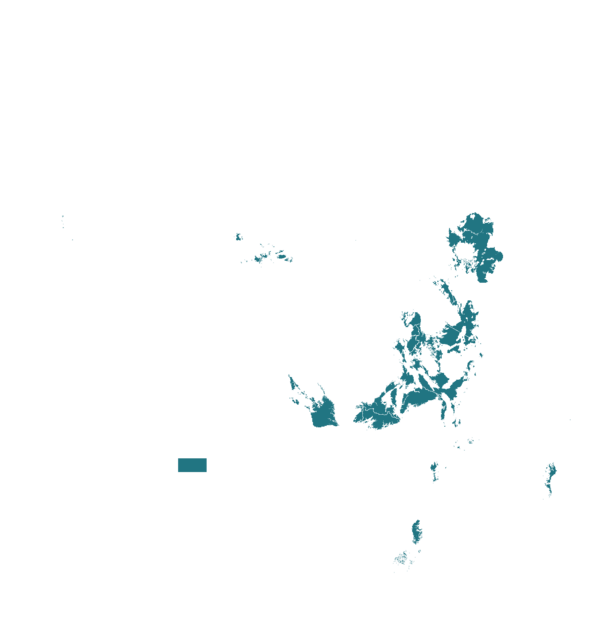
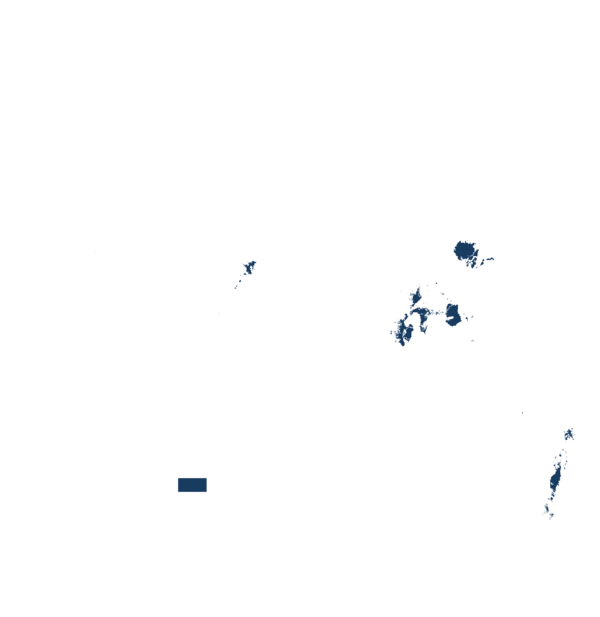
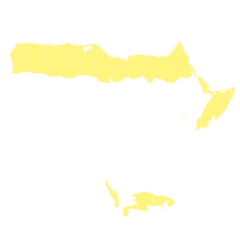
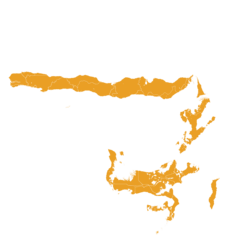
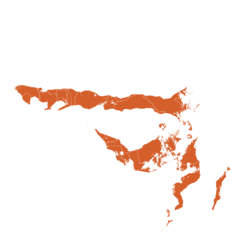
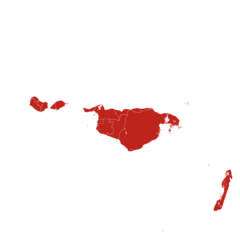
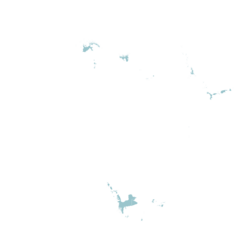
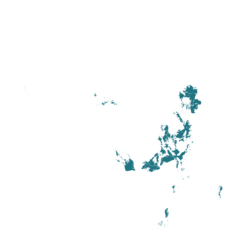
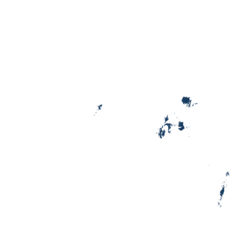
This technology can be used in the colored agro-ecological zones. Any zones shown in white are not suitable for this technology.






| AEZ | Subtropic - warm | Subtropic - cool | Tropic - warm | Tropic - cool |
|---|---|---|---|---|
| Arid | ||||
| Semiarid | ||||
| Subhumid | ||||
| Humid |
Source: HarvestChoice/IFPRI 2009
The United Nations Sustainable Development Goals that are applicable to this technology.
Source Quality Ingredients: Ensure that locally sourced feed ingredients are of high quality and competitively priced, taking into account toxin levels and substances affecting palatability and water stability in feed formulation.
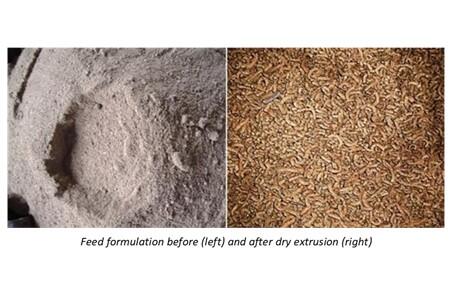
Grinding Raw Materials: Use a hammer mill to grind the raw materials into a fine powder. Smaller particle sizes are preferable as they enhance digestibility, cohesiveness, and water stability. Sun or oven dry the materials before grinding, and ensure uniform particle size for different ingredients.
Mixing Ingredients: Homogenize the ingredients by mixing them manually to create a mash, or for large-scale feed production, use a mechanical mixer.
Adding Binders (if needed): If the cereals in the formula do not provide adequate binding, consider adding cassava starch or a similar product as a binder.
Moistening Raw Materials: Just before extrusion, moisten the raw materials to ensure they adhere together.
Wet Extrusion: Use wet-type steam pelletizers for extrusion, which helps gelatinize starch, further improving the nutritional value of the feed.
Pellet Size: Ensure that the diameter of the pellets is at least 4 millimeters, suitable for most adult fish.
Last updated on Oct 1, 2026
This technology can be used in the colored agro-ecological zones.








Affordable Fish Feed Production: Formulation and Pelleting of Low-Cost Feeds
https://e-catalogs.taat-africa.org/org/technologies/affordable-fish-feed-production-formulation-and-pelleting-of-low-cost-feeds
Last updated on 1 October 2026, printed on Oct 23, 2026
Enquiries e-catalogs@taat.africa