
TAAT e-catalog
for
government
https://e-catalogs.taat-africa.org/gov/technologies/urochloa-brachiaria-hybrid-forage-grasses-for-grazing-and-fodder-markets
High-biomass pasture that animals digest easily
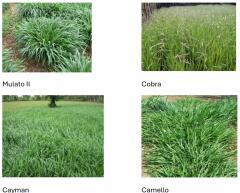
This technology is a set of improved Urochloa (syn. Brachiaria) hybrid forage grasses for high biomass and good digestibility in livestock systems: Mulato II, Cobra, Cayman, and Camello. The Urochloa forage grasses are high-yielding hybrid grasses that provides abundant, good-quality feed for livestock such as cattle, sheep, and goats. They are perennial species, so once well-established does not require replanting every season and, with good management, they can remain productive for more than 10 years. The grasses can be grazed directly by animals, cut and fed fresh, or conserved as hay by drying. In areas where weather conditions do not allow proper drying, they can also be preserved as silage.
This technology is pre-validated.
| Target groups | Positive impacts |
|---|---|
| Women in male-headed households (insecure land rights), responsible for fodder | Save time when forage is produced near home; earn income from fodder/cuttings; possible increase in joint decision-making. |
| Female-headed households (widows/divorced), small land size | More control over milk/hay sales; diversified income; better feed security. |
| Youth (women/men) with little land, underemployment/migration | Jobs and small businesses (planting material, cutting, baling, transport, sales); skills development and service provision. |
| Agro-pastoralists/pastoralists (collective tenure), dry zones | Better dry-season resilience (fodder banks); fewer livestock losses in the dry season. |
| Peri-urban “zero-grazing” smallholders (often women: feeding/milking) | Lower purchased feed costs; more stable feeding; more regular milk income. |
| Wealthier/commercial producers and cooperative leaders | Faster adoption (irrigation/mechanization); stronger hay/seed markets; higher productivity. |
| Landless farm workers (daily laborers), often women | More paid work during land prep, weeding, cutting, baling; seasonal income. |
| Remote areas / marginalized groups (weak extension, strong land norms) | Women’s groups can access seed/cuttings and sell; improved animal feeding. |
Climate adaptability: Highly adaptable
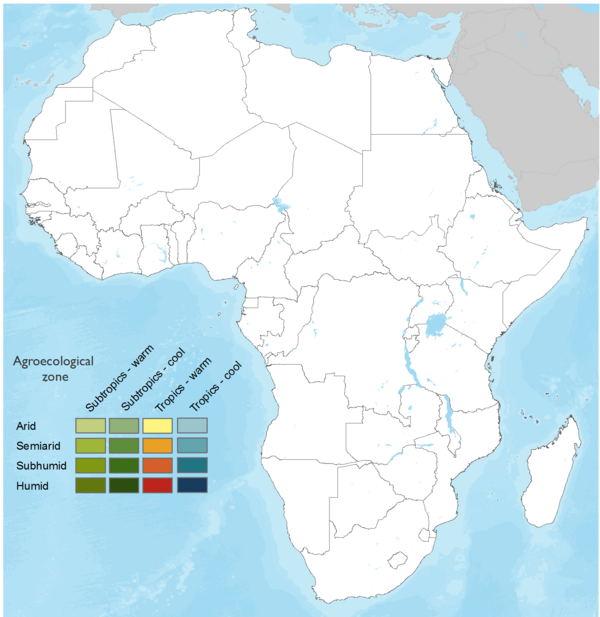
Works well where it is adapted in warm humid and subhumid tropical and sub-tropical environments
Farmer climate change readiness: Significant improvement
Forage and livestock producers benefit in quality forage for their animals including in relatively marginal areas
Biodiversity: Positive impact on biodiversity
Creates micro-environment support thriving biodiversity
Carbon footprint: Much less carbon released
Reduces emission a lot through C sequestration through roots turnover, especially that they are perennial grasses
Environmental health: Greatly improves environmental health
Reduces soil erosion and provide soil cover, fixes carbon through roots turnover.
Soil quality: Improves soil health and fertility
Improves soil structure and carbon. Reduces soil erosion keeping the productive topsoil in place.
Water use: Same amount of water used
The grasses have competitive productivity water use efficiency. The grasses accumulate appreciable amount of biomass per unit of water utilized
Urochloa forage grass hybrids (Mulato II, Cobra, Cayman, Camello) offer a practical solution to feed shortages that reduce livestock productivity across Sub-Saharan Africa. They provide high biomass and good-quality feed, and they can be matched to different conditions—Cobra for cut-and-carry systems, Cayman for wetter/waterlogged areas, and Camello for drier zones—helping farmers secure feed across seasons.
To integrate this technology into your project, plan activities around:
Selecting the right hybrid for each project zone (dry areas, wet/seasonally flooded areas, and intensive cut-and-carry systems) so farmers see results quickly and adoption is sustained.
Securing quality seed and organizing early distribution so farmers receive seed before the rains and can plant on time. Because seed is small, ensure farmers use the right planting method and avoid deep sowing.
Setting up demonstration plots and training hubs in priority livestock areas to show the full cycle: land preparation, planting, weed control, first cut, and regular cutting/grazing intervals.
Standardizing a simple establishment package for extension agents and farmers: fine seedbed preparation, planting at the start of rains (seeding can start after about 30 mm rainfall), and light seed covering at 1–2 cm depth (not deeper).
Including weed control support during establishment, since early weed competition is a major risk. Plan land preparation before rains and, where needed, herbicide control of tough weeds.
Budgeting for the key input costs that determine success, including land preparation, seed purchase and delivery logistics, and basic fertility support. Apply DAP at planting (to support roots) and use CAN after rains / after harvest to support strong regrowth; manure can help in poor soils.
Promoting hay making and fodder storage as a dry-season strategy, including training on harvest timing and storage, and linking producer groups to buyers in dairy and fattening areas.
Planning clear cutting/grazing management rules as part of extension: first cut or first grazing is around 70–80 days, then use rotation intervals of 25–45 days in the rainy season and 60–70 days in the dry season to maintain regrowth and feed quality.
For best results, combine hybrid rollout with strong extension follow-up: plant on time, keep the correct seed depth, control weeds early, and follow the cutting/grazing schedule so the pasture stays productive for years.
Implementing partners could collaborate with Alliance Bioversity International & CIAT (Tropical Forages program), national livestock and extension services, seed companies and seed regulators, cooperatives/dairy hubs, and women/youth groups to ensure inclusive access and sustained adoption.
Every USD invested returns USD 6.8 net income.
Plant variety protection
| Project | Countries | Beneficiaries | Budget (USD) & duration | Key figures |
|---|---|---|---|---|
|
BREFOL -M Multinational - Building Climate Resilience for Food and Livelihoods Program (BREFOL) in the Horn of Africa |
|
|
169,80 million 2024–2030 |
|
|
SEPAREF Strengthening Emergency Preparedness and Response to Food Crisis |
|
|
10.56 million 2022–2025 |
|
Figures in italic are from project plans and may change during implementation.
| Target groups | Positive impacts |
|---|---|
| Women in male-headed households (insecure land rights), responsible for fodder | Save time when forage is produced near home; earn income from fodder/cuttings; possible increase in joint decision-making. |
| Female-headed households (widows/divorced), small land size | More control over milk/hay sales; diversified income; better feed security. |
| Youth (women/men) with little land, underemployment/migration | Jobs and small businesses (planting material, cutting, baling, transport, sales); skills development and service provision. |
| Agro-pastoralists/pastoralists (collective tenure), dry zones | Better dry-season resilience (fodder banks); fewer livestock losses in the dry season. |
| Peri-urban “zero-grazing” smallholders (often women: feeding/milking) | Lower purchased feed costs; more stable feeding; more regular milk income. |
| Wealthier/commercial producers and cooperative leaders | Faster adoption (irrigation/mechanization); stronger hay/seed markets; higher productivity. |
| Landless farm workers (daily laborers), often women | More paid work during land prep, weeding, cutting, baling; seasonal income. |
| Remote areas / marginalized groups (weak extension, strong land norms) | Women’s groups can access seed/cuttings and sell; improved animal feeding. |
| Target groups | Unintended impacts | Mitigation measures |
|---|---|---|
| Women in male-headed households (insecure land rights) | Workload shifts to women/girls (cutting/transport); income may be captured by others; overall overload. | Promote labor-saving tools (choppers, carts) and shared labor; use women-managed group sales/payments; include household dialogue on benefit sharing. |
| Female-headed households (small land size) | Overwork due to limited labor; weaker access to equipment/markets; risk of local capture. | Group labor arrangements; access to hired services (cutting/chopping/baling); collective marketing and transparent payments. |
| Youth with little land | Benefits captured by elders/elites; jobs can be hard/unstable; exclusion without capital. | Transparent selection and youth quotas; starter kits/credit + coaching; fair wage guidance and safer working conditions. |
| Agro-pastoralists/pastoralists (collective tenure) | Enclosure/privatization; conflicts over access; commons displaced; inequality within community (gender/age). | Participatory land-use agreements; community by-laws with women/youth representation; local conflict-resolution mechanisms. |
| Peri-urban zero-grazing (often women) | More daily cutting (especially in cut-and-carry systems); “food vs fodder” land conflict; workload increase. | Promote small high-yield plots and efficient cutting schedules; labor-saving chopping; integrate fodder planning with household food production. |
| Wealthier/commercial producers & coop leaders | Capture of subsidies/certified seed; land pressure; market power against smallholders. | Targeting rules for support; transparent distribution; inclusive contracting with smallholders; monitor elite capture risks. |
| Landless workers (often women) | Drudgery; herbicide exposure; unequal pay; no protection. | PPE + safe herbicide training; enforce basic labor standards; grievance channels; encourage mechanized services where feasible. |
| Remote/marginalized groups | Spread of low-quality seed; women excluded from land/markets; inequalities reinforced. | Quality assurance and certified supply channels; inclusive community sensitization; women’s group market linkages and safeguards. |
| Target groups | Barriers to adoption | Mitigation measures |
|---|---|---|
| Women in male-headed households (insecure land rights) | Limited land access and decisions; low coop membership; limited seed/finance access; hard cutting/chopping work. | Secure dedicated plots via community/household agreements; support women’s groups/coops; seed vouchers + small credit; tool banks (choppers/carts). |
| Female-headed households (small land size) | Land size/tenure; credit constraints; limited labor; limited access to quality seed/inputs. | Small-plot packages; credit guarantees/savings groups; paid services for labor peaks; strengthen seed access points. |
| Youth with little land | Land access; capital/equipment; market networks; training gaps. | Lease community plots; equipment rental hubs; incubation + training; buyer linkages (dairy/fattening zones). |
| Agro-pastoralists/pastoralists (collective tenure) | Limited access to adapted seed; weak local governance; few services; distant markets. | Decentralized seed supply; mobile extension; strengthen local governance rules; aggregation/transport support. |
| Peri-urban zero-grazing | Severe land constraint; need practical advice; seed must be timely and affordable. | Micro-plot approaches; short coaching + demos; pre-rain seed distribution; affordable starter packs. |
| Wealthier/commercial producers & coop leaders | Fewer constraints; mainly regulatory clarity and seed quality. | Clear licensing/quality standards; enforce seed quality control and traceability. |
| Landless workers (often women) | No decision power; low access to training/PPE; job insecurity. | Include workers in safety/training; ensure PPE access; formalize service groups (cutting/baling teams) with fair terms. |
| Remote/marginalized groups | Isolation and transport costs; low access to seed/training; weak market outlets. | Local seed points; mobile trainings; transport/logistics support; collective marketing through groups/coops. |
|
Cost of the investment Sum of all fixed and operational expenses. |
USD 2,616 Per hectare over 10 years |
|---|---|
|
Gross revenue Sum of all income before subtracting costs. |
USD 20,400 Per hectare over 10 years |
|
Net income Gross revenue minus total cost. |
USD 17,784 Per hectare over 10 years |
|
Return on investment Percentage of income earned for each dollar invested, calculated as: (income ÷ cost of investment) × 100 |
680 % Over 10 years |
| Country | Testing ongoing | Tested | Adopted |
|---|---|---|---|
| Ethiopia | –No ongoing testing | Tested | –Not adopted |
| Kenya | –No ongoing testing | –Not tested | Adopted |
| Rwanda | –No ongoing testing | Tested | –Not adopted |
| Tanzania, United Republic | –No ongoing testing | Tested | –Not adopted |
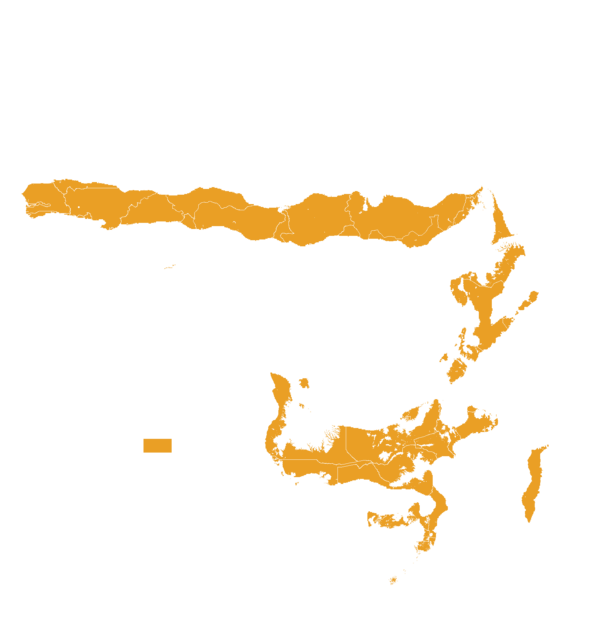
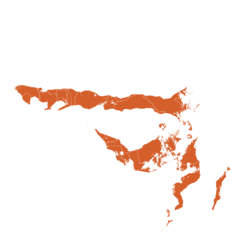
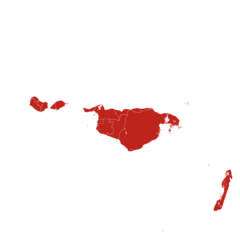
This technology can be used in the colored agro-ecological zones. Any zones shown in white are not suitable for this technology.





| AEZ | Subtropic - warm | Subtropic - cool | Tropic - warm | Tropic - cool |
|---|---|---|---|---|
| Arid | – | – | – | – |
| Semiarid | – | – | ||
| Subhumid | – | – | ||
| Humid | – | – |
Source: HarvestChoice/IFPRI 2009
The United Nations Sustainable Development Goals that are applicable to this technology.
Higher livestock productivity and new income options (seed and hay businesses)
More reliable milk and meat production because feed is available across seasons
Opportunities for women and youth in seed/hay value chains, and less time pressure when feed is produced closer to home
Time savings for women can reduce workload gaps and support participation in income activities

Better feed availability during dry periods and climate shocks, reducing vulnerability of livestock systems
Last updated on Sep 10, 2026
This technology can be used in the colored agro-ecological zones.





Urochloa (Brachiaria) hybrid forage grasses for grazing and fodder markets
https://e-catalogs.taat-africa.org/gov/technologies/urochloa-brachiaria-hybrid-forage-grasses-for-grazing-and-fodder-markets
Last updated on 10 September 2026, printed on Oct 23, 2026
Enquiries e-catalogs@taat.africa