TAAT e-catalog
for
government
https://e-catalogs.taat-africa.org/gov/technologies/sahel-potato-innovation-package-high-performing-potato-varieties-and-quality-seed-potato-production-system-for-west-africa
High-quality, disease-free seed potatoes for African farmers
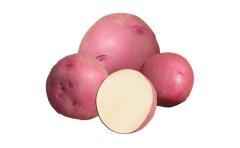
This technology is an improved potato seed system solution that introduces three tested and adapted varieties—Chieftain, AC Chaleur, and Kennebec—to strengthen national potato production and food security. It combines access to quality planting material with validated agronomic performance, supporting the diversification of the national variety catalogue, increased use of certified seeds, reduced dependence on imported potatoes, and alignment with agricultural development priorities.
This technology is pre-validated.
|
Social group |
Positive impacts |
|
Women smallholder farmers |
|
|
Youth agripreneurs |
|
|
Resource-constrained smallholder farmers |
|
|
Producer organisations and rural communities |
|
Climate adaptability: Highly adaptable
Short-cycle varieties (90–105 days) are adapted to Sahelian dry-season conditions, reducing exposure to end-of-season water shortages and climate variability.
Farmer climate change readiness: Moderate improvement
The technology improves resilience through adapted varieties and improved practices, but requires access to irrigation, technical support, and inputs that may not be available to all farmers.
Biodiversity: Positive impact on biodiversity
The introduction of multiple potato varieties can increase crop diversity, but intensive production systems and reliance on a limited number of improved varieties may reduce genetic diversity if not managed.
Carbon footprint: A bit less carbon released
Local seed multiplication can reduce emissions linked to imported seed transport, but production may generate emissions from machinery, fertilizers, and irrigation.
Environmental health: Moderately improves environmental health
Integrated Pest Management (IPM) and improved agronomic practices can reduce environmental risks, although fertilizer and pesticide use require proper management.
Soil quality: Does not affect soil health and fertility
Soil testing, organic manure application, and balanced fertilization support soil health, but intensive potato cultivation can degrade soils if crop rotation and nutrient management are not followed.
Water use: A bit less water used
Potato production requires regular irrigation (25–40 mm/week), but short-cycle varieties improve water-use efficiency by completing production within a shorter growing period.
The Integrated Industrial Seed Production and Support for High-Performing Potato Varieties (Chieftain, AC Chaleur, and Kennebec) supports government priorities by strengthening national potato production, improving food security, and reducing dependence on imported potatoes and seed. The technology combines improved varieties with local production of disease-free Elite III seed potatoes and technical support to build a stronger national potato seed system.
The technology offers significant potential to increase productivity and resilience through high-yielding, short-cycle varieties adapted to Sahelian conditions. With production cycles of 90–105 days, the varieties help reduce climate-related risks, optimize dry-season production, and improve land use efficiency.
For large-scale implementation, government support is needed to facilitate seed system development, variety registration, extension services, infrastructure investment, and coordination among value chain actors. Key implementation activities include certified seed multiplication, farmer and extension training, improved production practices, and development of storage and market infrastructure.
The technology contributes to SDG 2 (Zero Hunger) by increasing domestic potato production and improving food availability, and to SDG 1 (No Poverty) by supporting agricultural income generation and rural economic development.
Successful scaling requires collaboration among technology providers (ROYVALLEY Inc. and FASOBAARA SAS), research institutions (INERA), producer organisations, and regulatory bodies (CREVAO) to ensure variety approval, quality assurance, and sustainable adoption.
No formal IP rights
Scaling Readiness describes how complete a technology's development is and its ability to be scaled. It produces a score that measures a technology's readiness along two axes: the level of maturity of the idea itself, and the level to which the technology has been used so far.
Each axis goes from 0 to 9 where 9 is the “ready-to-scale” status. For each technology profile in the e-catalogs we have documented the scaling readiness status from evidence given by the technology providers. The e-catalogs only showcase technologies for which the scaling readiness score is at least 8 for maturity of the idea and 7 for the level of use.
The graph below represents visually the scaling readiness status for this technology, you can see the label of each level by hovering your mouse cursor on the number.
Read more about scaling readiness ›
Uncontrolled environment: validated
Common use by projects NOT connected to technology provider
| Maturity of the idea | Level of use | |||||||||
| 9 | ||||||||||
| 8 | ||||||||||
| 7 | ||||||||||
| 6 | ||||||||||
| 5 | ||||||||||
| 4 | ||||||||||
| 3 | ||||||||||
| 2 | ||||||||||
| 1 | ||||||||||
| 1 | 2 | 3 | 4 | 5 | 6 | 7 | 8 | 9 | ||
|
Social group |
Positive impacts |
|
Women smallholder farmers |
|
|
Youth agripreneurs |
|
|
Resource-constrained smallholder farmers |
|
|
Producer organisations and rural communities |
|
| Social group | Unintended impacts | Mitigation measures |
|---|---|---|
| Women smallholder farmers |
|
|
| Youth agripreneurs |
|
|
| Resource-constrained smallholder farmers |
|
|
| Producer organisations and rural communities |
|
|
| Social group | Barriers to adoption | Mitigation measures |
|---|---|---|
| Women smallholder farmers |
|
|
| Youth agripreneurs |
|
|
| Resource-constrained smallholder farmers |
|
|
| Producer organisations and rural communities |
|
|
| Country | Testing ongoing | Tested | Adopted |
|---|---|---|---|
| Burkina Faso | –No ongoing testing | Tested | Adopted |
| Mali | –No ongoing testing | Tested | Adopted |
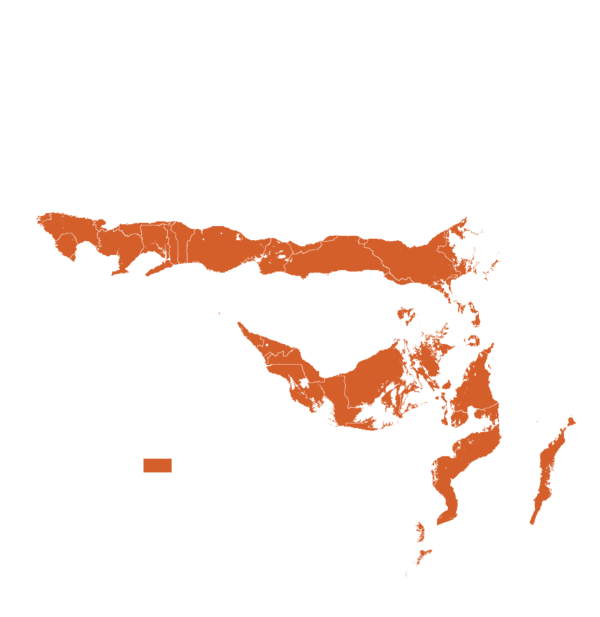
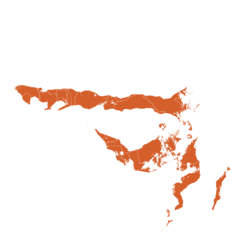
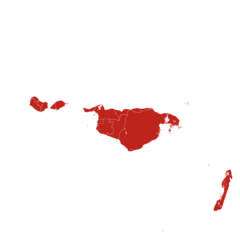
This technology can be used in the colored agro-ecological zones. Any zones shown in white are not suitable for this technology.
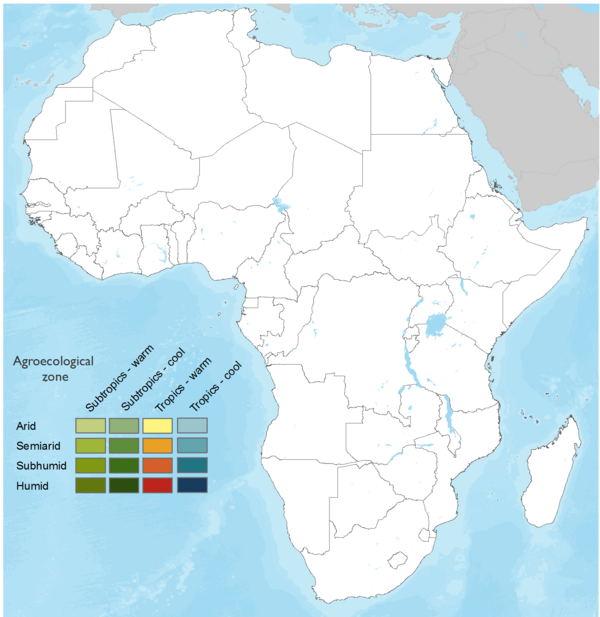

| AEZ | Subtropic - warm | Subtropic - cool | Tropic - warm | Tropic - cool |
|---|---|---|---|---|
| Arid | – | – | – | – |
| Semiarid | – | – | – | – |
| Subhumid | – | – | – | |
| Humid | – | – | – |
Source: HarvestChoice/IFPRI 2009
The United Nations Sustainable Development Goals that are applicable to this technology.
Increases farmer incomes through higher yields, off-season production, and market opportunities.
Improves food security through higher potato production and quality seed access.
Requires collaboration among research, government, private sector, and farmers.
Last updated on Sep 21, 2026
This technology can be used in the colored agro-ecological zones.


Sahel Potato Innovation Package: High-Performing Potato Varieties and Quality Seed Potato Production System for West Africa
https://e-catalogs.taat-africa.org/gov/technologies/sahel-potato-innovation-package-high-performing-potato-varieties-and-quality-seed-potato-production-system-for-west-africa
Last updated on 21 September 2026, printed on Oct 23, 2026
Enquiries e-catalogs@taat.africa