TAAT e-catalog
for
government
https://e-catalogs.taat-africa.org/gov/technologies/organic-fertilizer-soil-restoration-granules
Organic Fertilizer -manufactured in Africa for Africa
OFMB Granules is a high-performance organic fertilizer manufactured in Africa from a specialized blend of composted cattle manure, gypsum, and carbon-rich materials. The granulated formulation provides a slow-release source of nutrients while improving soil organic matter, soil structure, and water retention.
The technology supports the restoration of soil fertility through enhanced biological activity and natural nutrient cycling. By utilizing locally available organic resources, it contributes to the rehabilitation of degraded agricultural land and strengthens the productive capacity of farming systems. Its granulated form allows efficient application using existing fertilizer distribution and application systems, facilitating integration into large-scale agricultural and land restoration initiatives.

This technology is pre-validated.
|
Target Groups |
Positive Impacts |
|
Women smallholder farmers on degraded soils |
|
|
Smallholder farmers in drought-prone areas |
|
| Low-income farmers unable to invest in long-term soil restoration |
|
|
Smallholder farmers in remote areas with limited access to soil diagnostics and advisory services |
|
Climate adaptability: Highly adaptable
OFMB Organic Granules demonstrate high climate adaptability by improving the physical, chemical, and biological properties of the soil. The technology increases soil organic matter, stimulates beneficial microbial activity, and improves soil water-holding capacity, enabling crops to better withstand drought and rainfall variability. By restoring soil functionality and enhancing natural nutrient cycling through a 100% organic formulation, it strengthens the resilience of agricultural production systems while supporting sustainable soil management and climate-smart agriculture. The increase in soil organic matter may also contribute to long-term soil carbon sequestration, a recognized co-benefit of sustainable organic soil management, although this potential has not been specifically quantified for OFMB Organic Granules. Together, these characteristics justify a High climate adaptability rating.
Farmer climate change readiness: Significant improvement
This assessment is based on the technology's ability to strengthen farmers' capacity to adapt to changing climatic conditions while being practical and accessible to farmers. OFMB Organic Granules improve soil organic matter, stimulate beneficial microbial activity, and increase soil water-holding capacity, enabling crops to better withstand drought and rainfall variability. By restoring soil functionality and improving nutrient-use efficiency, the technology supports more stable crop production under increasingly unpredictable climatic conditions. Its safe, 100% organic formulation and compatibility with standard fertilizer application equipment enable farmers to adopt climate-smart soil management practices without requiring specialized technical skills, expensive infrastructure, or personal protective equipment. Together, these characteristics significantly strengthen farmers' adaptive capacity and support the development of more resilient and sustainable farming systems.
Biodiversity: Positive impact on biodiversity
This assessment is based on the technology's ability to restore and enhance soil biological functions while supporting ecosystem functioning. OFMB Organic Granules increase soil organic matter and stimulate beneficial microbial activity, creating healthier soils that support below-ground biodiversity and essential ecosystem processes. As a 100% organic fertilizer, the technology promotes natural nutrient cycling and sustainable soil management while reducing reliance on synthetic fertilizer inputs. Improved soil health strengthens the resilience of agricultural ecosystems and supports the ecological functions essential for long-term agricultural productivity. While direct impacts on above-ground biodiversity, such as pollinators or wildlife, have not been specifically verified, the technology makes a positive contribution to soil biodiversity and the ecosystem functions that sustain productive farming systems.
Carbon footprint: A bit less carbon released
This assessment is based on the technology's potential to reduce the carbon footprint of agricultural production through sustainable soil fertility management. OFMB Organic Granules are produced from organic materials and increase soil organic matter, supporting natural nutrient cycling while reducing reliance on synthetic fertilizer inputs. The increase in soil organic matter may also contribute to long-term soil carbon sequestration, a recognized co-benefit of sustainable organic soil management. These characteristics indicate a positive contribution toward lower carbon emissions compared with conventional fertilizer-dependent systems. However, because the technology has not been evaluated through a life-cycle assessment (LCA) or quantified greenhouse gas emission studies, the available evidence supports A bit less carbon released rather than Much less carbon released.
Environmental health: Greatly improves environmental health
This assessment is based on the technology's strong contribution to improving environmental health through sustainable soil fertility management. OFMB Organic Granules are a 100% organic, non-hazardous, and biodegradable fertilizer that restores soil biological activity, increases soil organic matter, and supports natural nutrient cycling. By reducing reliance on synthetic fertilizer inputs, the technology promotes healthier soils and more sustainable agricultural production while lowering potential environmental risks associated with intensive chemical fertilizer use. Improved soil health also strengthens ecosystem functioning and supports the long-term sustainability of agricultural landscapes. Although broader environmental impacts beyond agricultural systems have not been specifically quantified, the documented improvements in soil health, biological activity, and sustainable nutrient management justify a Greatly Improves assessment for environmental health.
Soil quality: Improves soil health and fertility
This assessment reflects the technology's core function of restoring and enhancing soil quality. OFMB Organic Granules are specifically designed to "breathe life into the soil" by significantly increasing soil organic matter and stimulating beneficial microbial activity. These effects improve soil structure, enhance water-holding capacity, and restore the physical and biological integrity of degraded soils. By strengthening natural nutrient cycling and rebuilding soil health, the technology helps transform degraded soils into more productive and resilient agricultural systems. This supports sustained crop productivity and improved crop quality, particularly for Maize, Onion, Potato, Chinese Cabbage, and Tomato. The comprehensive improvement of the soil's physical, chemical, and biological properties justifies a Significant Improvement assessment for soil quality.
Water use: A bit less water used
This assessment is based on the technology's ability to improve soil water management through healthier and more functional soils. OFMB Organic Granules increase soil organic matter and improve soil structure, enhancing the soil's water-holding capacity and enabling crops to make more efficient use of available soil moisture. These improvements help reduce water stress during periods of limited rainfall and can reduce the need for supplemental irrigation under certain conditions. However, the technology has not been specifically evaluated through quantified water-use efficiency or irrigation-saving studies.
OFMB Organic Granules restore soil health, improve agricultural productivity, and strengthen climate-resilient farming systems through sustainable soil fertility management. For successful implementation in your project, consider these key points:
No formal IP rights
Scaling Readiness describes how complete a technology\’s development is and its ability to be scaled. It produces a score that measures a technology\’s readiness along two axes: the level of maturity of the idea itself, and the level to which the technology has been used so far.
Each axis goes from 0 to 9 where 9 is the “ready-to-scale” status. For each technology profile in the e-catalogs we have documented the scaling readiness status from evidence given by the technology providers. The e-catalogs only showcase technologies for which the scaling readiness score is at least 8 for maturity of the idea and 7 for the level of use.
The graph below represents visually the scaling readiness status for this technology, you can see the label of each level by hovering your mouse cursor on the number.
Read more about scaling readiness ›
Uncontrolled environment: validated
Common use by intended users, in the real world
| Maturity of the idea | Level of use | |||||||||
| 9 | ||||||||||
| 8 | ||||||||||
| 7 | ||||||||||
| 6 | ||||||||||
| 5 | ||||||||||
| 4 | ||||||||||
| 3 | ||||||||||
| 2 | ||||||||||
| 1 | ||||||||||
| 1 | 2 | 3 | 4 | 5 | 6 | 7 | 8 | 9 | ||
|
Target Groups |
Positive Impacts |
|
Women smallholder farmers on degraded soils |
|
|
Smallholder farmers in drought-prone areas |
|
| Low-income farmers unable to invest in long-term soil restoration |
|
|
Smallholder farmers in remote areas with limited access to soil diagnostics and advisory services |
|
| Target Groups | Unintended Impacts | Mitigation Measures |
| Women smallholder farmers on degraded soils |
|
|
| Smallholder farmers in drought-prone areas |
|
|
| Low-income farmers unable to invest in long-term soil restoration |
|
|
| Smallholder farmers in remote areas with limited access to soil diagnostics and advisory services |
|
|
|
Target Groups |
Adoption Barriers |
Mitigation Measures |
|
Women smallholder farmers on degraded soils |
|
|
|
Smallholder farmers in drought-prone areas |
|
|
|
Low-income farmers unable to invest in long-term soil restoration |
|
|
|
Smallholder farmers in remote areas with limited access to soil diagnostics and advisory services |
|
|
| Country | Testing ongoing | Tested | Adopted |
|---|---|---|---|
| Botswana | –No ongoing testing | Tested | Adopted |
| Democratic Republic of the Congo | –No ongoing testing | Tested | Adopted |
| South Africa | –No ongoing testing | Tested | Adopted |
| South Sudan | Testing ongoing | –Not tested | –Not adopted |
| Zambia | –No ongoing testing | Tested | Adopted |
| Zimbabwe | –No ongoing testing | Tested | Adopted |
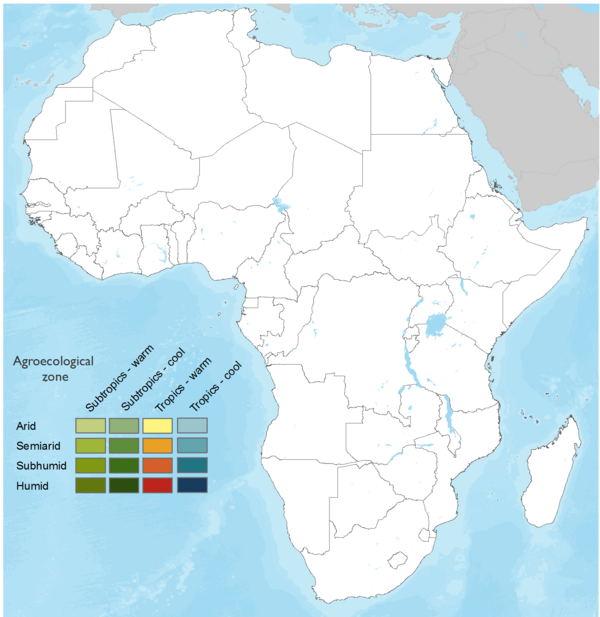
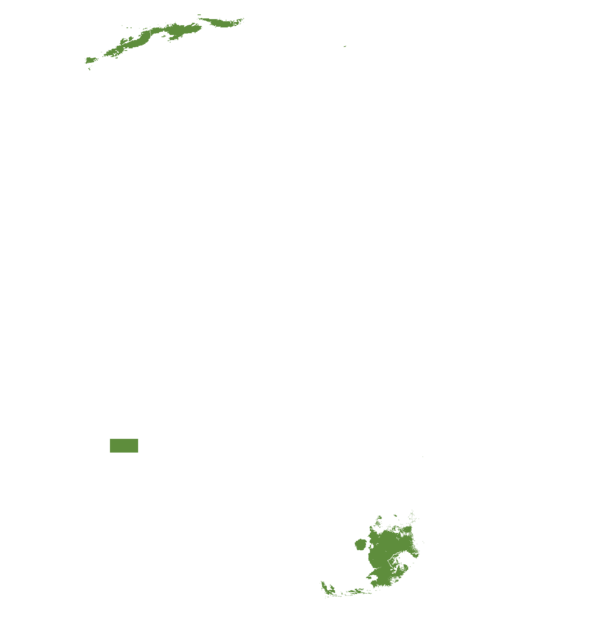
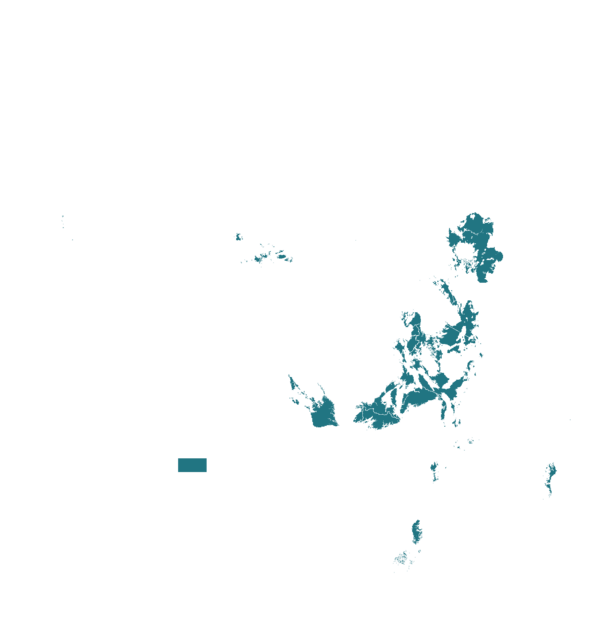
This technology can be used in the colored agro-ecological zones. Any zones shown in white are not suitable for this technology.










| AEZ | Subtropic - warm | Subtropic - cool | Tropic - warm | Tropic - cool |
|---|---|---|---|---|
| Arid | – | – | – | – |
| Semiarid | ||||
| Subhumid | ||||
| Humid |
Source: HarvestChoice/IFPRI 2009
The United Nations Sustainable Development Goals that are applicable to this technology.

The technology directly enhances soil fertility and crop yields (increasing them by 400–1000 kg/ha), which is fundamental to national food security and improved nutrition.

It supports the circular economy by transforming organic waste into high-value fertilizer, promoting sustainable nutrient management and local resource utilization.

It fosters climate resilience by significantly improving soil water-holding capacity and reducing the carbon footprint through improved waste management and decreased reliance on synthetic fertilizers.
The integration of organic granules restores the biological integrity of the soil, fosters microbial biodiversity, and helps maintain healthy ecosystems to prevent land degradation.
Step 1: Field Preparation
Complete all normal land preparation activities, such as plowing or harrowing, to create suitable conditions for granule incorporation.
Step 2: Apply the Granules
Apply OFMB Granules evenly across the soil surface before planting, or place the granules directly into planting holes or rows.
Step 3: Incorporate into the Soil
Lightly incorporate the granules into the topsoil to improve contact with the soil and nutrient availability.
Step 4: Plant the Crop
Plant the crop following normal agronomic practices.
Step 5: Apply Around Established Crops (if applicable)
For perennial crops and vegetables, apply the granules around the base of the plant and lightly cover with soil.
Step 6: Activate the Product
Water the field or apply the product before rainfall to activate nutrient release and support nutrient uptake.
General Dosage:
Apply at a rate of 400–1000 kg/ha for all crops.
Rate Adjustment:
Final application rates should be adjusted according to soil conditions, crop requirements, and soil analysis results.
Last updated on Jul 21, 2026
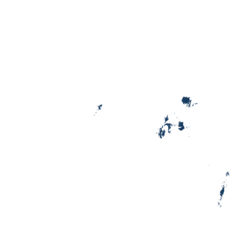
This technology can be used in the colored agro-ecological zones.













Organic Fertilizer: Soil Restoration Granules
https://e-catalogs.taat-africa.org/gov/technologies/organic-fertilizer-soil-restoration-granules
Last updated on 21 July 2026, printed on Jul 23, 2026
Enquiries e-catalogs@taat.africa