
TAAT e-catalog
for
government
https://e-catalogs.taat-africa.org/gov/technologies/ofmb-organic-granules-manufactured-in-africa-for-africa-organically-blended-fertilizer
Healthy Soils, Better Nutrition, Stronger Harvests!
Organically blended fertilizers combine mineral nutrients, organic matter, and biological stimulants in a single formulation to improve crop nutrition while restoring soil health. The mineral nutrients support immediate crop growth, while the organic matter improves soil structure, water retention, and nutrient-holding capacity. Biological stimulants enhance nutrient uptake and promote beneficial soil microbial activity. Unlike conventional fertilizers that primarily focus on short-term nutrient supply, these blended formulations address long-term soil fertility challenges by improving nutrient-use efficiency and reducing soil degradation. This integrated approach supports sustainable land management, strengthens resilience to climate variability, and contributes to national food security and agricultural productivity goals.

This technology is pre-validated.
| Target Groups | Positive Impacts |
| Women smallholder farmers in climate-affected areas |
|
| Young farmers in rural climate-affected areas |
|
| Farmer groups and cooperatives in climate-stressed areas |
|
Climate adaptability: Highly adaptable
Improved soil organic matter and nutrient efficiency strengthen resilience to drought and climate variability.
Farmer climate change readiness: Significant improvement
Improves soil moisture retention, nutrient efficiency, and resilience to drought and climate variability.
Biodiversity: Positive impact on biodiversity
Supports soil microbial activity and promotes healthier soil ecosystems.
Carbon footprint: A bit less carbon released
Improves nutrient-use efficiency and supports soil organic matter accumulation.
Environmental health: Moderately improves environmental health
Soil quality: Improves soil health and fertility
Improves soil health and fertility while reducing nutrient losses.
Water use: A bit less water used
Improves soil moisture retention and water-use efficiency.
Introducing Organically Blended Fertilizers provides a sustainable solution to improve soil fertility, enhance nutrient-use efficiency, and increase agricultural productivity while restoring long-term soil health. The technology is particularly relevant for areas affected by soil degradation, declining yields, and inefficient fertilizer use. To successfully integrate this technology into agricultural development programs, the following actions should be considered:
No formal IP rights
Scaling Readiness describes how complete a technology\’s development is and its ability to be scaled. It produces a score that measures a technology\’s readiness along two axes: the level of maturity of the idea itself, and the level to which the technology has been used so far.
Each axis goes from 0 to 9 where 9 is the “ready-to-scale” status. For each technology profile in the e-catalogs we have documented the scaling readiness status from evidence given by the technology providers. The e-catalogs only showcase technologies for which the scaling readiness score is at least 8 for maturity of the idea and 7 for the level of use.
The graph below represents visually the scaling readiness status for this technology, you can see the label of each level by hovering your mouse cursor on the number.
Read more about scaling readiness ›
Uncontrolled environment: validated
Used by some intended users, in the real world
| Maturity of the idea | Level of use | |||||||||
| 9 | ||||||||||
| 8 | ||||||||||
| 7 | ||||||||||
| 6 | ||||||||||
| 5 | ||||||||||
| 4 | ||||||||||
| 3 | ||||||||||
| 2 | ||||||||||
| 1 | ||||||||||
| 1 | 2 | 3 | 4 | 5 | 6 | 7 | 8 | 9 | ||
| Target Groups | Positive Impacts |
| Women smallholder farmers in climate-affected areas |
|
| Young farmers in rural climate-affected areas |
|
| Farmer groups and cooperatives in climate-stressed areas |
|
| Target Groups | Unintended Impacts | Mitigation Measures |
| Women smallholder farmers in climate-affected areas |
|
|
| Young farmers in rural climate-affected areas |
|
|
| Farmer groups and cooperatives in climate-stressed areas |
|
|
| Target Groups | Barriers to adoption | Mitigation Measures |
| Women smallholder farmers in climate-affected areas |
|
|
| Young farmers in rural climate-affected areas |
|
|
| Farmer groups and cooperatives in climate-stressed areas |
|
|
| Country | Testing ongoing | Tested | Adopted |
|---|---|---|---|
| Botswana | –No ongoing testing | Tested | Adopted |
| Democratic Republic of the Congo | –No ongoing testing | –Not tested | Adopted |
| South Africa | –No ongoing testing | Tested | Adopted |
| Zambia | –No ongoing testing | –Not tested | Adopted |
| Zimbabwe | –No ongoing testing | –Not tested | Adopted |
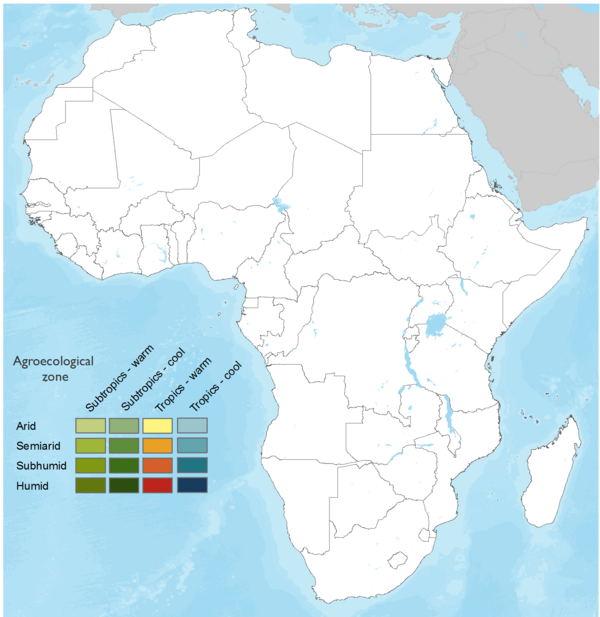
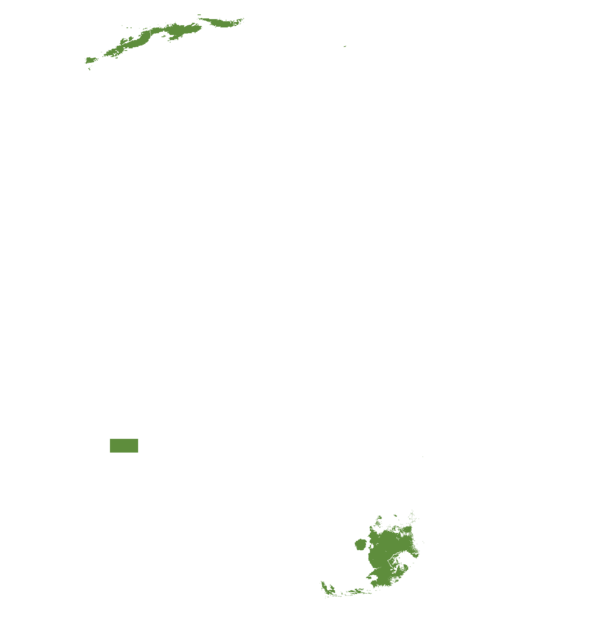
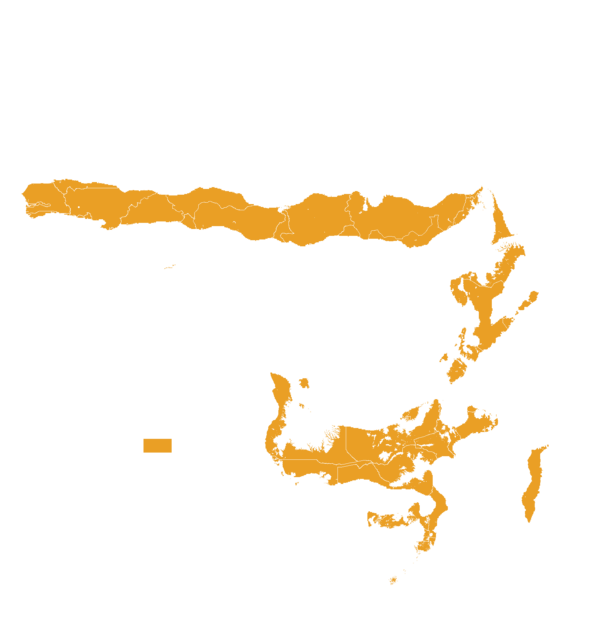
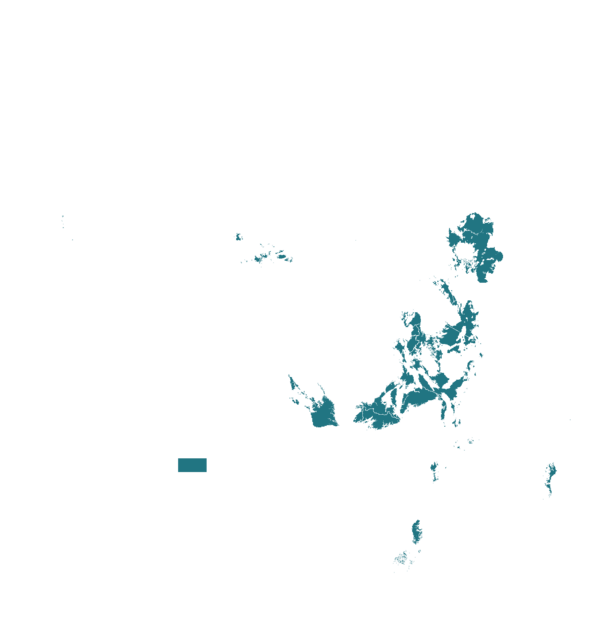
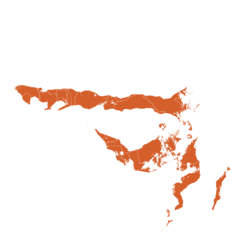
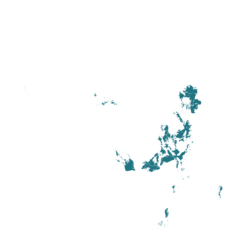
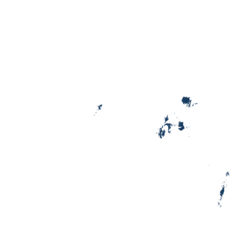
This technology can be used in the colored agro-ecological zones. Any zones shown in white are not suitable for this technology.









| AEZ | Subtropic - warm | Subtropic - cool | Tropic - warm | Tropic - cool |
|---|---|---|---|---|
| Arid | – | – | – | – |
| Semiarid | ||||
| Subhumid | ||||
| Humid |
Source: HarvestChoice/IFPRI 2009
The United Nations Sustainable Development Goals that are applicable to this technology.

Higher yields and improved productivity contribute to increased farmer incomes and livelihoods.
Improves crop productivity and fo
Step 1 – Assess soil nutrient needs
Conduct soil testing where possible to determine nutrient deficiencies and appropriate fertilizer formulations.
Step 2 – Select the appropriate fertilizer formulation
Choose a formulation suitable for the target crop, soil condition, and production objective.
Step 3 – Apply fertilizer at planting
Apply the fertilizer as a basal application before or during planting.
Step 4 – Place fertilizer close to crop roots
Apply fertilizer in rows or bands near seeds or plant roots to improve nutrient uptake efficiency.
Step 5 – Apply top dressing where necessary
Use products such as Organic Top Dressing 30% for additional nitrogen supply during crop growth.
Step 6 – Activate nutrients with water
Apply fertilizer before rainfall or irrigate after application to support nutrient release and uptake.
Step 7 – Adjust application rates
Adapt fertilizer rates according to crop type, expected yield, and soil fertility status.
Products can be applied manually, with fertilizer spreaders, or through integrated planter systems.
Last updated on Jul 21, 2026
This technology can be used in the colored agro-ecological zones.











OFMB Organic Granules -manufactured in Africa for Africa: Organically blended fertilizer
https://e-catalogs.taat-africa.org/gov/technologies/ofmb-organic-granules-manufactured-in-africa-for-africa-organically-blended-fertilizer
Last updated on 21 July 2026, printed on Jul 23, 2026
Enquiries e-catalogs@taat.africa