TAAT e-catalog
for
government
https://e-catalogs.taat-africa.org/gov/technologies/multifunctional-community-seed-bank-community-based-seed-conservation-and-management-system
High-quality seeds to support farmers.
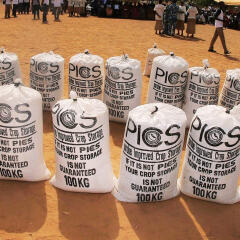
Multifunctional Community Seed Banks provide are farmer-managed organizations for conserving local crop diversity and ensuring community access to quality seeds. Seeds and planting materials from farmers’ fields and home gardens are stored in a community facility ranging from simple storage rooms to larger facilities with dedicated conservation and meeting spaces. The seed bank is managed by an elected farmer committee. Seed stocks are regularly replenished through regeneration on communal plots or members’ farms and distributed through a lending system that typically requires borrowers to return twice the quantity received in seeds of the same variety after harvest. The committee records all transactions to monitor seed movements and maintain the community seed supply.
This technology is pre-validated.
| Target Groups | Positive Impacts |
|---|---|
| Smallholder farmers and community members |
|
| Women farmers and seed custodians |
|
| Farmer committees and community seed bank managers |
|
| Local farming communities and future generations |
|
Climate adaptability: Highly adaptable
A community seed bank can operate anywhere. Seed storage is dryer places is easier than in humid places, but technologies can be used to remedy the disadvantage.
Farmer climate change readiness: Significant improvement
There are two ways in which more effective management of plant genetic resources can strengthen farmers’ capacity to adapt to climate change: 1) securing improved access to and availability of diverse, locally adapted crops and varieties through the use of multiple germplasm sources; and 2) enhancement of related local knowledge and skills in plant management including seed selection, treatment, storage, multiplication and distribution.
Biodiversity: Positive impact on biodiversity
A community seed bank conserves and sustainably uses agrobiodiversity.
Environmental health: Moderately improves environmental health
The crops in use by a community seed bank are almost always local and traditional varieties that do not require chemical inputs.
Soil quality: Does not affect soil health and fertility
The crops in use by a community seed bank are almost always local and traditional varieties that do not require chemical inputs.
Water use: Same amount of water used
The crops in use by a community seed bank are almost always local and traditional varieties that do not require large amounts of water.
National seed insecurity: Disasters, conflicts, and food crises can undermine local seed availability and threaten agricultural production.
Erosion of agrobiodiversity: The reduction or loss of local crop varieties threatens the conservation and sustainable use of plant genetic resources.
Limited access to locally adapted seeds: Farmers may lack reliable access to diverse, preferred varieties suited to their local production conditions.
Loss of agricultural knowledge: Insufficient opportunities to conserve and transmit traditional seed management knowledge can weaken community capacity to manage plant genetic resources.
Weak local seed conservation structures: The absence of community-managed facilities and governance arrangements can limit the capacity to conserve and regenerate local varieties.
Limited community preparedness: Communities without organized seed reserves may be less prepared to recover their planting material resources after crises and agricultural disruptions.
Strengthen community seed security: Supports the establishment of farmer-managed seed banks that conserve and distribute local crop varieties.
Conserve plant genetic resources: Promotes the collection, storage, regeneration, and sustainable use of local and traditional varieties.
Support local seed management: Encourages community committees to manage seed stocks, oversee borrowing and returns, and maintain transaction records.
Conserve agricultural knowledge: Strengthens farmers’ knowledge and skills in seed selection, treatment, storage, multiplication, and distribution.
Promote inclusive community leadership: Encourages participation in seed bank governance, recognizing the important roles women can play as seed custodians and managers.
Improve preparedness for seed insecurity: Maintains community seed reserves that can help farmers regain access to planting materials following agricultural disruptions and crises.
Multifunctional Community Seed Banks are farmer-managed organizations that conserve and sustainably manage local crop diversity and traditional seed knowledge. They collect seeds and planting materials from farmers’ fields and home gardens and store them in community-managed facilities for conservation, regeneration, exchange, and distribution. They provide farmers with access to quality seeds of preferred local varieties, seed management knowledge, and connections with other farmers, researchers, and extension agents.
To support the establishment and strengthening of community seed banks through public agricultural programs, governments should consider the following actions and prerequisites:
Identify priority communities and local seed conservation needs where farmers face seed insecurity, declining crop diversity, or limited access to preferred local and traditional crop varieties.
Mobilize farming communities and establish a representative management committee composed of elected farmers responsible for collectively managing the seed bank and representing community interests.
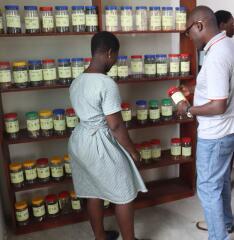
Establish an appropriate seed storage facility based on community needs and available resources. Facilities can range from a single room equipped with shelves and seed containers to larger structures with dedicated spaces for seed conservation, bulk storage, office activities, and meetings.
Support the collection of local seeds and planting materials from farmers’ fields and home gardens to build a community-managed collection of crop varieties valued for their adaptability, nutritional, health, and cultural characteristics.
Strengthen seed conservation and management capacities by providing training and practical guidance on seed selection, treatment, storage, multiplication, regeneration, and distribution.
Establish seed regeneration and multiplication arrangements through communally managed seed plots or member farmers’ own land to maintain the availability and quality of stored seeds.
Develop transparent seed lending and return mechanisms that allow interested community members to access available seeds each season. A common arrangement is a return ratio of 1:2, whereby farmers return twice the quantity of seed borrowed after harvesting.
Maintain an appropriate seed inventory and transaction registry to document seed availability, borrowing, returns, and the management of community seed stocks.
Promote knowledge exchange and collaboration between community seed banks, farmers, researchers, and agricultural extension agents to strengthen seed management practices and the sustainable use of local crop diversity.
Strengthen the role of women and young people in seed conservation, management, leadership, and knowledge transmission, recognizing their contributions to community seed bank activities.
Explore opportunities for value addition and improved organizational sustainability through relevant capacity-building activities, including training in processing and composite flour production where appropriate.
Establish monitoring and follow-up mechanisms to assess seed availability, conservation of local crop diversity, community participation, and the continued functioning of the seed bank.
Open source / open access
Scaling Readiness describes how complete a technology's development is and its ability to be scaled. It produces a score that measures a technology's readiness along two axes: the level of maturity of the idea itself, and the level to which the technology has been used so far.
Each axis goes from 0 to 9 where 9 is the “ready-to-scale” status. For each technology profile in the e-catalogs we have documented the scaling readiness status from evidence given by the technology providers. The e-catalogs only showcase technologies for which the scaling readiness score is at least 8 for maturity of the idea and 7 for the level of use.
The graph below represents visually the scaling readiness status for this technology, you can see the label of each level by hovering your mouse cursor on the number.
Read more about scaling readiness ›
Uncontrolled environment: validated
Common use by intended users, in the real world
| Maturity of the idea | Level of use | |||||||||
| 9 | ||||||||||
| 8 | ||||||||||
| 7 | ||||||||||
| 6 | ||||||||||
| 5 | ||||||||||
| 4 | ||||||||||
| 3 | ||||||||||
| 2 | ||||||||||
| 1 | ||||||||||
| 1 | 2 | 3 | 4 | 5 | 6 | 7 | 8 | 9 | ||
| Target Groups | Positive Impacts |
|---|---|
| Smallholder farmers and community members |
|
| Women farmers and seed custodians |
|
| Farmer committees and community seed bank managers |
|
| Local farming communities and future generations |
|
|
Target Groups |
Unintended Impacts |
Mitigation Measures |
|---|---|---|
|
Smallholder farmers and community members |
|
|
|
Women farmers and seed custodians |
|
|
|
Farmer committees and community seed bank managers |
|
|
|
Local farming communities and future generations |
|
|
| Target Groups | Barriers to Adoption | Mitigation Measures |
|---|---|---|
| Smallholder farmers and community members |
|
|
| Women farmers and seed custodians |
|
|
| Farmer committees and community seed bank managers |
|
|
| Local farming communities and community stakeholders |
|
|
The establishment cost of a community seed bank varies according to its size, infrastructure, storage capacity and operational requirements. Setting up a simple community seed bank costs approximately USD 5,000, while a more robust facility requires an investment of approximately USD 10,000 to USD 15,000. These costs generally cover the establishment of storage facilities, basic equipment and the infrastructure required for seed conservation and management.
The establishment and operational costs of community seed banks are often supported by governments and development partners through agricultural development programs and community-based initiatives. This financial support helps reduce the investment burden on local communities and facilitates access to locally adapted seeds. Depending on the implementation arrangements, communities may also contribute through labour, locally available materials and participation in the management of the seed bank.
Seeds stored and distributed through community seed banks are generally exchanged or provided to community members without assigning them a monetary value. Consequently, their economic benefits are not directly reflected in financial transactions, making it difficult to calculate a conventional return on investment (ROI). The value of the innovation should therefore be assessed through its broader benefits, including improved access to quality seeds, conservation of local crop varieties, strengthened seed security and increased community resilience, rather than through direct financial returns alone.
| Country | Testing ongoing | Tested | Adopted |
|---|---|---|---|
| Benin | –No ongoing testing | –Not tested | Adopted |
| Burkina Faso | –No ongoing testing | –Not tested | Adopted |
| Ethiopia | –No ongoing testing | –Not tested | Adopted |
| Ghana | –No ongoing testing | –Not tested | Adopted |
| Kenya | –No ongoing testing | –Not tested | Adopted |
| Mali | –No ongoing testing | –Not tested | Adopted |
| Niger | –No ongoing testing | –Not tested | Adopted |
| Rwanda | –No ongoing testing | –Not tested | Adopted |
| Somalia | –No ongoing testing | –Not tested | Adopted |
| South Africa | –No ongoing testing | –Not tested | Adopted |
| South Sudan | –No ongoing testing | –Not tested | Adopted |
| Tanzania, United Republic | –No ongoing testing | –Not tested | Adopted |
| The Democratic Republic of the Congo | –No ongoing testing | –Not tested | Adopted |
| The Republic of the Sudan | –No ongoing testing | –Not tested | Adopted |
| Uganda | –No ongoing testing | –Not tested | Adopted |
| Zambia | –No ongoing testing | –Not tested | Adopted |
| Zimbabwe | –No ongoing testing | –Not tested | Adopted |
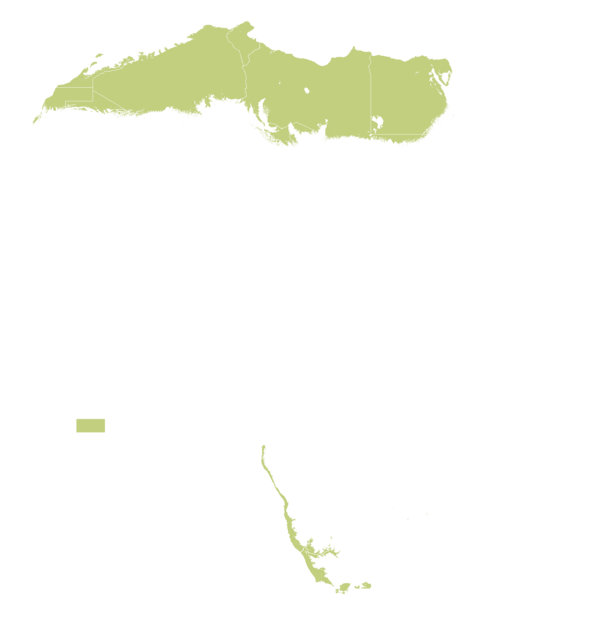
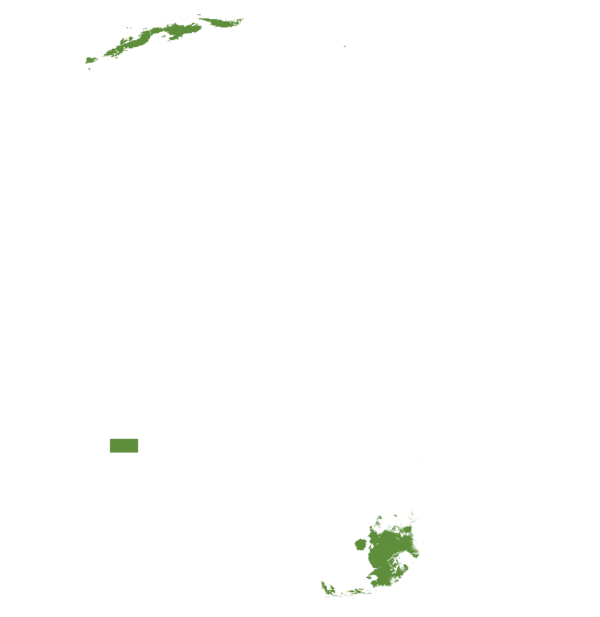
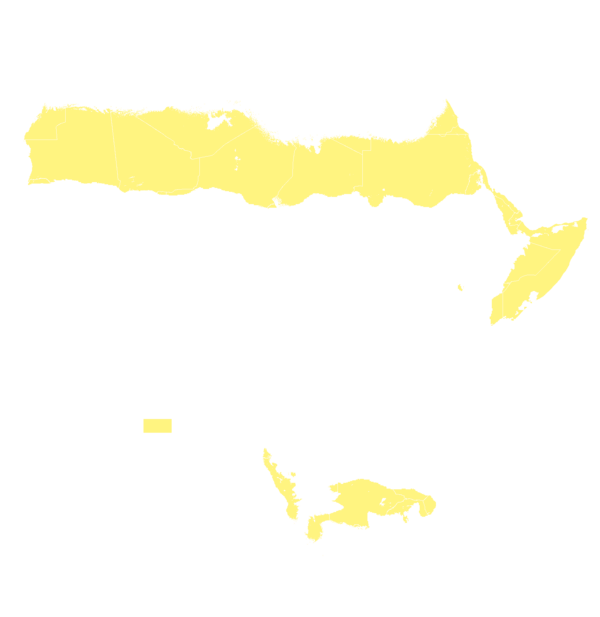
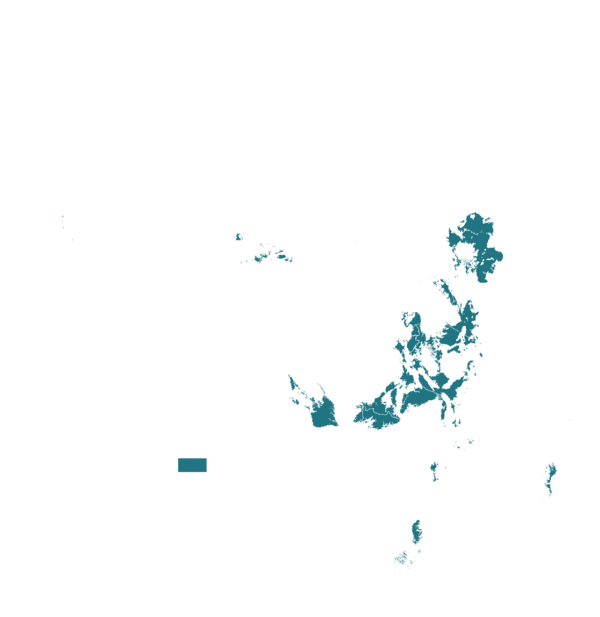
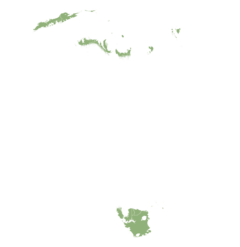
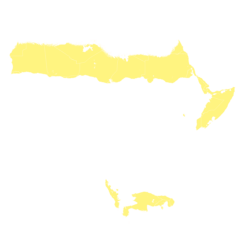
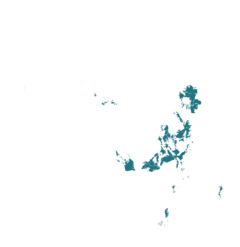
This technology can be used in the colored agro-ecological zones. Any zones shown in white are not suitable for this technology.
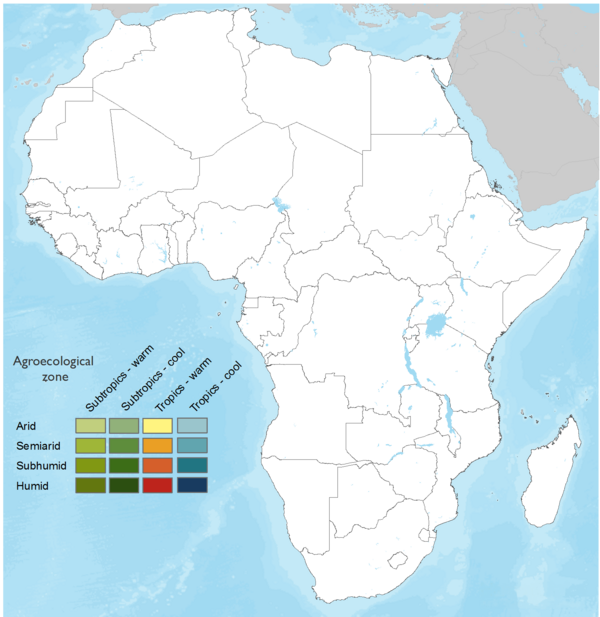












| AEZ | Subtropic - warm | Subtropic - cool | Tropic - warm | Tropic - cool |
|---|---|---|---|---|
| Arid | ||||
| Semiarid | ||||
| Subhumid | ||||
| Humid |
Source: HarvestChoice/IFPRI 2009
The United Nations Sustainable Development Goals that are applicable to this technology.

Better access to good quality seeds contributes to better yields, which provides more food on the table (reducing expenditures); surpluses can be marketed, which generates income.
Better access to good quality seeds contributes to better yields, which provides more food on the table.

Better access to good quality seed of diverse crops contributes to improved nutrition and health.

Women play key roles in a community seed bank, assuming leadership roles in many of them.

A community seed bank can offer climate-adapted seeds, which are otherwise hard to obtain.
Step 1 – Establish the Community Seed Bank
Organize farmers within the community to establish a collectively managed seed bank. The initiative should be placed under the responsibility of a management committee elected by and representing the community.
Step 2 – Elect the Management Committee
Select a committee responsible for overseeing the seed bank's operations, coordinating seed conservation and distribution activities, and managing seed transactions. Women should be actively involved, given their important role as seed custodians and managers in many community seed banks.
Step 3 – Set Up the Seed Storage Facility
Prepare a suitable facility for storing and managing seeds. Depending on the community's needs and available resources, this may consist of a single room equipped with shelves and seed containers or a larger facility with separate spaces for seed conservation, bulk storage, office activities, and meetings.
Step 4 – Collect Local Seeds and Seedlings
Collect seeds and seedlings from farmers' fields and home gardens. Give particular attention to local crop varieties and the associated knowledge that the community wishes to conserve and make available to farmers.
Step 5 – Organize and Store the Seed Collection
Place the collected seeds in the community seed bank for conservation and future distribution. Organize the storage according to the facility's available space and storage arrangements, ensuring that the seed stocks remain accessible for management and distribution.
Step 6 – Maintain and Regenerate Seed Stocks
Keep seeds in storage for short periods, generally one or two growing seasons. Regenerate seed stocks regularly to maintain their availability. This can be done through a communal seed production plot or by member farmers growing the varieties on their own land.
Step 7 – Distribute Seeds to Interested Farmers
At the beginning of each growing season, make available seed stocks accessible to interested community members and, where applicable, non-members. Distribute seeds through a lending system that allows farmers to access preferred crop varieties for planting.
Step 8 – Apply the Seed Return System
Require farmers who borrow seeds to return an agreed quantity after harvesting, usually at a ratio of 1:2. For example, a farmer who receives 500 grams of a particular crop variety returns 1 kilogram of quality seed of the same variety after harvest. This helps replenish the community seed bank's stocks for subsequent seasons.
Step 9 – Record and Monitor Seed Transactions
Maintain a registry of all seed borrowing and return transactions. The management committee should use these records to monitor seed circulation, track outstanding returns, and oversee the availability of seed stocks for future distribution. The volume of seed flow per season or calendar year could be given a monetary value by using the (averaged) market price of seed in the region during the relevant period of time.
Last updated on Nov 11, 2026
This technology can be used in the colored agro-ecological zones.















Multifunctional community seed bank: Community-Based Seed Conservation and Management System
https://e-catalogs.taat-africa.org/gov/technologies/multifunctional-community-seed-bank-community-based-seed-conservation-and-management-system
Last updated on 11 November 2026, printed on Nov 11, 2026
Enquiries e-catalogs@taat.africa