TAAT e-catalog
for
government
https://e-catalogs.taat-africa.org/gov/technologies/mdsr-fdp-mechanized-rice-row-seeder-with-deep-fertilizer-placement
Sow and fertilize rice in one pass.
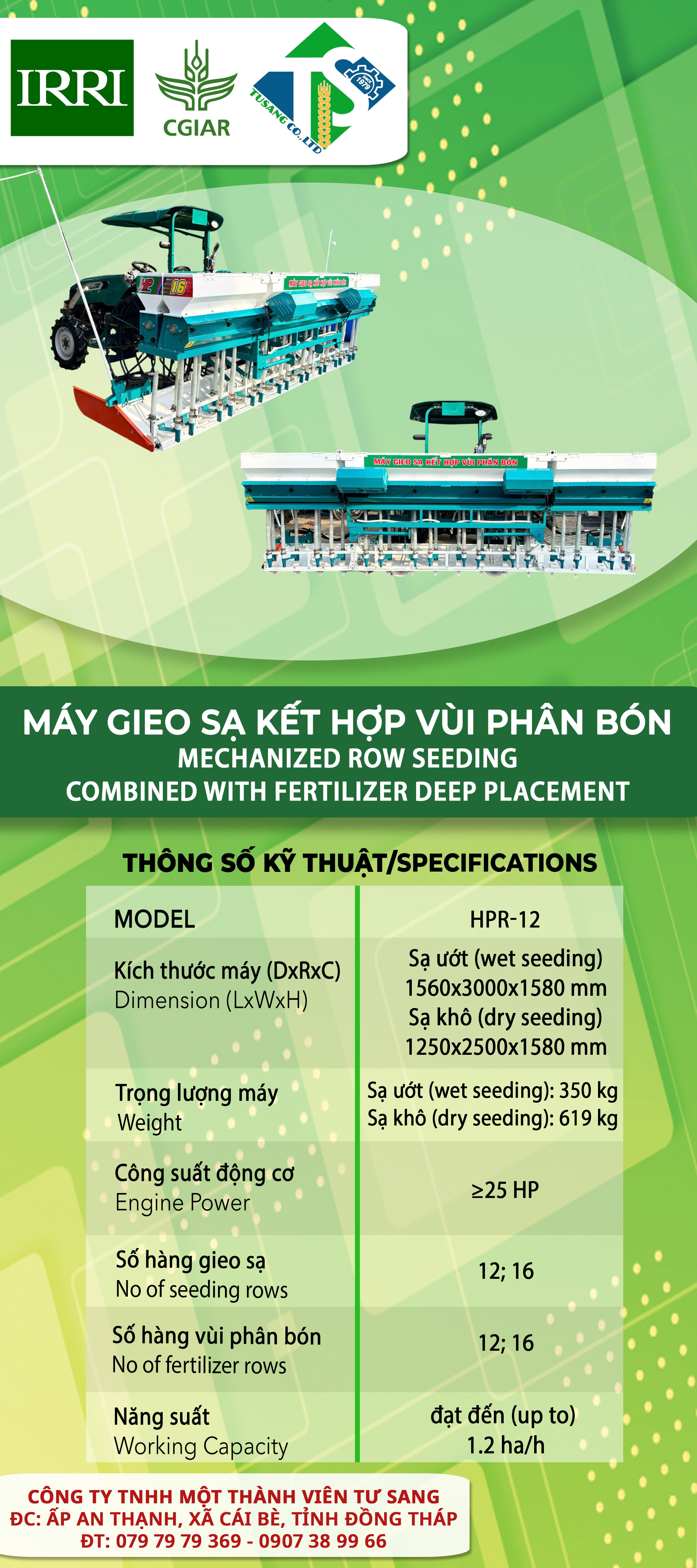
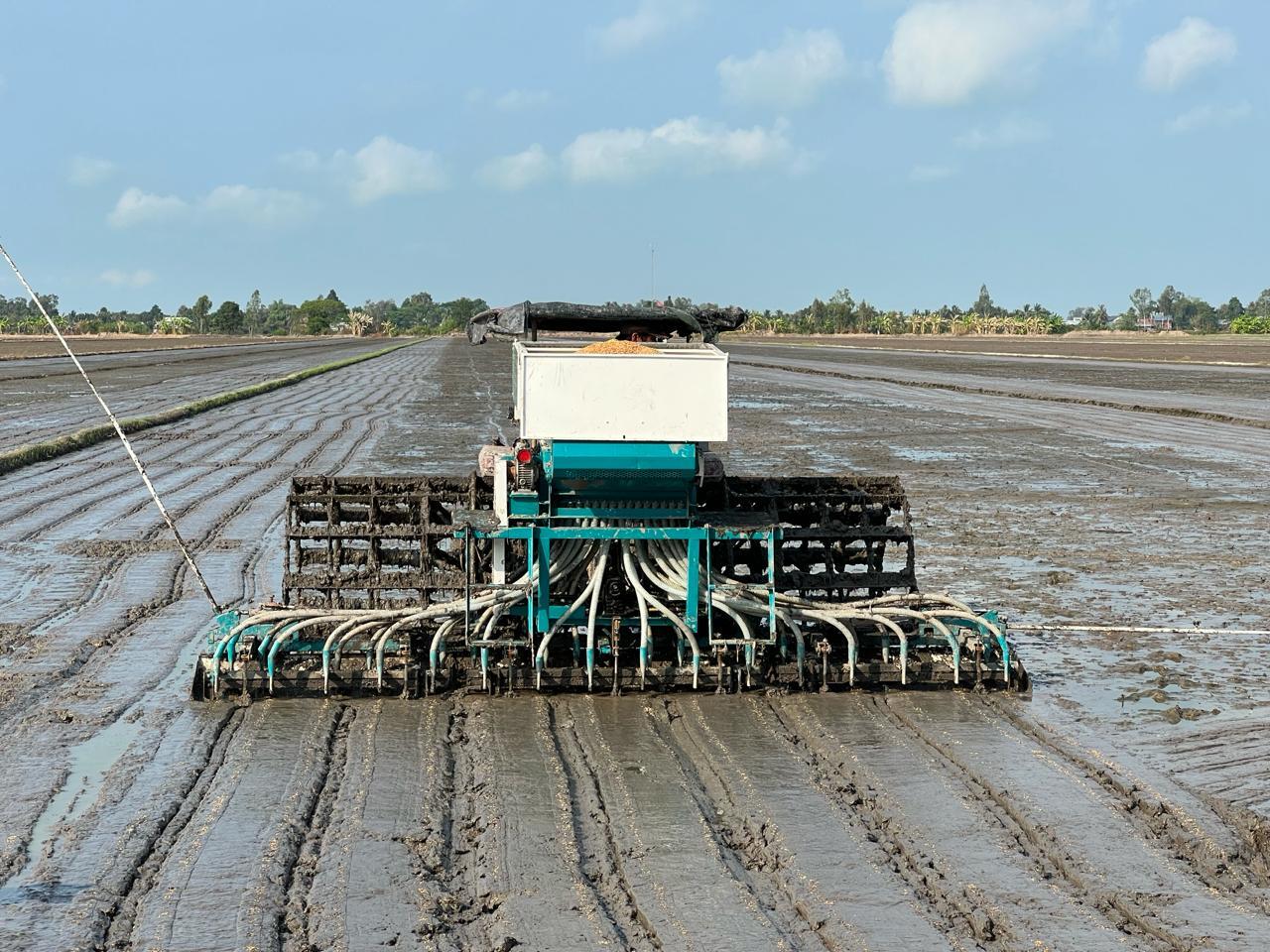
Mechanized Rice Row Seeder with Deep Fertilizer Placement (mDSR + FDP) is a tractor-operated machine that sows rice in rows and places fertilizer 30–40 mm below the soil in one pass. It also levels the soil and creates drainage furrows, with a field capacity of approximately 0.3–1.6 ha/hour.
The technology can support public priorities for rice mechanization, input efficiency, lower production costs, and improved farmer incomes. It can be deployed through cooperatives, mechanization centres, rice enterprises, and custom-hire providers. Effective use requires trained operators, suitable tractors, level fields, water control, calibration, maintenance, and spare parts.
This technology is pre-validated.
| Intersectional group | Positive impacts |
|---|---|
| Low-income women farmers | Shared mDSR + FDP services can reduce physically demanding work, hired-labour needs, input waste, and individual equipment costs. Benefits require affordable fees, targeted training, transparent booking, and timely service. |
| Underserved rural youth | Young women and men can work as operators, mechanics, booking agents, or mechanization entrepreneurs. Benefits require practical training, safe and paid work, access to equipment or finance, and deliberate recruitment. |
| Remote and flood-prone smallholders | Cooperative or mobile services can improve access to timely precision seeding without individual ownership. Benefits require affordable transport, trained operators, maintenance, spare parts, field levelling, drainage, water control, and local monitoring. |
Climate adaptability: Highly adaptable
The technology can be used under both wet and dry direct-seeding conditions and is adaptable to different soil types, field conditions, and water levels. Different seeder configurations and adjustable row spacing allow the equipment to be adapted to local production conditions.
Farmer climate change readiness: Significant improvement
The technology helps farmers adapt by reducing seed and nitrogen fertilizer requirements while improving crop establishment and production efficiency. It can be combined with improved water management and ICT-based decision-support tools such as RCM to support climate-smart rice production.
Biodiversity: Positive impact on biodiversity
More efficient crop establishment and reduced input use can lower pressure on surrounding ecosystems. The technology can reduce nitrogen fertilizer use by at least 20% and pesticide applications, helping reduce potential impacts on beneficial organisms and aquatic environments.
Carbon footprint: A bit less carbon released
The technology can reduce the carbon footprint by at least 10% compared with conventional broadcasting and blower seeding. Lower seed and nitrogen fertilizer use, together with more efficient mechanized crop establishment, contributes to lower emissions.
Environmental health: Greatly improves environmental health
Reduced nitrogen fertilizer and pesticide use can decrease nutrient losses and chemical pressure on the surrounding environment. More precise seed and fertilizer placement also improves resource-use efficiency.
Soil quality: Improves soil health and fertility
Fertilizer is placed 30–40 mm below the soil surface, improving nutrient availability and reducing potential nutrient losses. The technology also supports more balanced crop growth and efficient nutrient management.
Water use: Same amount of water used
The mDSR-FDP equipment itself is primarily a seeding and fertilizer-placement technology and does not directly reduce water use. However, the drainage furrows created during seeding and integration with improved water management practices can support more efficient water management.
Mechanized Rice Row Seeder with Deep Fertilizer Placement (mDSR + FDP) supports government priorities by improving rice establishment, reducing inefficient input use, expanding mechanization, and strengthening farmer profitability. Public investment is justified where smallholders cannot afford the approximately USD 7,000 seeding unit, excluding the tractor, or where training, field infrastructure, and maintenance services are insufficient. In Viet Nam, the technology is officially recognized and has been used in government-supported rice-production programs.
Prioritize smallholder rice farmers, cooperatives, rice enterprises, and mechanization service providers in areas with concentrated rice production and sufficient demand to keep the equipment in regular use.
Begin in irrigated rice areas with level fields, reliable drainage, suitable tractor access, and the ability to control standing water. The technology is officially recognized for the Mekong River Delta; use in other areas should follow local testing.
Give particular attention to women, resource-poor farmers, and farmers unable to purchase machinery. Women represented only 53 of the 512 farmers trained through June 2026, showing the need for targeted participation and service-access measures.
Support shared access through cooperatives, mechanization centres, rice enterprises, or custom-hire providers rather than financing individual ownership for every farmer.
Combine equipment investment with suitable tractors, cage wheels for wet fields, field levelling, drainage, operator training, calibration tools, extension support, maintenance, spare parts, and safe equipment storage.
Provide practical training on field preparation, seed and fertilizer calibration, machine operation, quality checks, water management, and preventive maintenance. Operators should be trained before machines are assigned.
Build on established partnerships in Viet Nam involving IRRI, Cuu Long Rice Research Institute, the Ministry of Agriculture and Environment, crop-production and plant-protection authorities, provincial agriculture departments, Tien Giang University, Tu Sang Company, and participating cooperatives.
Assign public institutions responsibility for policy, infrastructure, extension, quality standards, inclusion, and monitoring. Research organizations should support validation and training; suppliers should provide equipment, warranties, spare parts, and repairs; cooperatives should aggregate demand; and service providers should operate and maintain the machines.
Use public funding for initial demonstrations, training, shared infrastructure, inclusion measures, and evidence generation. Equipment ownership and recurring operation should progressively be financed through cooperatives, commercial providers, leasing, credit, or service fees.
Track machines delivered and operational, hectares served, farmers reached, repeat users, machine utilization, downtime, service price, and the proportion of services paid for without project support.
Measure seed use in kg/ha, fertilizer use in kg/ha, pesticide applications, labour, field capacity, yield, total input cost, production cost, net income, and farmer satisfaction against local conventional practice.
Report users by sex, age, farm size, income or vulnerability group, location, and cooperative membership. Also track whether services were delivered on time and at the same price and quality for different groups.
Monitor greenhouse-gas emissions, water conditions, drainage, and straw management by location. Emission reductions should not be assumed because some flood-prone pilot sites recorded higher emissions where water could not be controlled.
Require a viable service model before wider deployment. The submitted financial scenario covering 200 ha/year at USD 80/ha produced a negative full-cost return, showing that utilization, pricing, tractor costs, maintenance, and depreciation must be assessed locally.
Expand only where there is sufficient demand, suitable fields, trained operators, reliable tractor access, maintenance and spare-parts support, affordable service pricing, and verified agronomic and financial results across more than one season.
Every USD invested returns USD 0.83 net income.
No formal IP rights
Scaling Readiness describes how complete a technology's development is and its ability to be scaled. It produces a score that measures a technology's readiness along two axes: the level of maturity of the idea itself, and the level to which the technology has been used so far.
Each axis goes from 0 to 9 where 9 is the “ready-to-scale” status. For each technology profile in the e-catalogs we have documented the scaling readiness status from evidence given by the technology providers. The e-catalogs only showcase technologies for which the scaling readiness score is at least 8 for maturity of the idea and 7 for the level of use.
The graph below represents visually the scaling readiness status for this technology, you can see the label of each level by hovering your mouse cursor on the number.
Read more about scaling readiness ›
Uncontrolled environment: tested
Common use by projects NOT connected to technology provider
| Maturity of the idea | Level of use | |||||||||
| 9 | ||||||||||
| 8 | ||||||||||
| 7 | ||||||||||
| 6 | ||||||||||
| 5 | ||||||||||
| 4 | ||||||||||
| 3 | ||||||||||
| 2 | ||||||||||
| 1 | ||||||||||
| 1 | 2 | 3 | 4 | 5 | 6 | 7 | 8 | 9 | ||
| Intersectional group | Positive impacts |
|---|---|
| Low-income women farmers | Shared mDSR + FDP services can reduce physically demanding work, hired-labour needs, input waste, and individual equipment costs. Benefits require affordable fees, targeted training, transparent booking, and timely service. |
| Underserved rural youth | Young women and men can work as operators, mechanics, booking agents, or mechanization entrepreneurs. Benefits require practical training, safe and paid work, access to equipment or finance, and deliberate recruitment. |
| Remote and flood-prone smallholders | Cooperative or mobile services can improve access to timely precision seeding without individual ownership. Benefits require affordable transport, trained operators, maintenance, spare parts, field levelling, drainage, water control, and local monitoring. |
| Intersectional group | Unintended impact | Mitigation measure |
|---|---|---|
| Low-income women farmers | Service fees may exclude women with limited control over household income or productive assets. Mechanization may reduce paid manual work traditionally performed by women. Men or larger farmers may receive priority during short planting periods. |
Offer transparent prices, cooperative services, flexible payment, and targeted financial support. Train and recruit women as operators, mechanics, booking agents, and service-business owners. Give women direct booking rights, publish service schedules, and monitor delivery by sex and farm size. |
| Underserved rural youth | Young operators may face unsafe, informal, or poorly paid work. Equipment loans may create debt if demand and service income are insufficient. |
Require safety training, protective equipment, supervision, fair contracts, and payment for completed work. Verify demand and break-even utilization before financing; use leasing, shared ownership, and business mentoring. |
| Remote and flood-prone smallholders | Providers may avoid distant or small farms, causing delayed planting. Poor drainage or prolonged flooding may reduce crop performance and increase emissions. Breakdowns and unavailable spare parts may interrupt planting. |
Group nearby customers, establish local service hubs, plan routes, and monitor timely service delivery. Screen fields, improve levelling and drainage, apply suitable water and straw management, and monitor results. Maintain local spare-parts stocks, train repair technicians, schedule maintenance, and arrange backup services. |
| Intersectional group | Barrier to adoption | Mitigation measure |
|---|---|---|
| Low-income women farmers | • Equipment or service fees may be unaffordable. • Women may have limited control over household assets, production decisions, or machinery bookings. • Training may be offered at unsuitable times, distant locations, or in inaccessible formats. • Providers may prioritize larger farms or male customers. |
• Provide cooperative services, flexible seasonal payments, targeted vouchers, and suitable finance. • Give women direct booking and payment rights and representation in machinery committees. • Offer local, practical training at convenient times using simple materials. • Publish prices and schedules, reserve service slots, and monitor access by sex and farm size. |
| Underserved rural youth | • Youth may lack savings, collateral, or credit histories. • They may lack operation, calibration, repair, safety, and business skills. • Established businesses or older cooperative members may control access to tractors and machines. • Seasonal mechanization work may not provide reliable income. |
• Use leasing, shared ownership, guarantees, start-up support, or results-based finance. • Provide practical training, apprenticeships, mentoring, and safety instruction. • Create transparent shared-equipment arrangements and link youth to suppliers and workshops. • Aggregate demand and support multi-service businesses with seasonal contracts. |
| Remote and flood-prone smallholders | • Poor roads, scattered fields, and transport costs may discourage providers. • Uneven fields, standing water, weak drainage, or flooding may make operation unreliable. • Local operators, mechanics, spare parts, and technical support may be unavailable. • Farmers may lack information about preparation, costs, and operating requirements. • Weak ownership and maintenance arrangements may leave equipment unused. |
• Group nearby farmers, establish local service hubs, and coordinate planting dates. • Assess fields and improve levelling, drainage, access routes, and water management. • Train local operators and mechanics and maintain minimum spare-parts stocks. • Use demonstrations, extension visits, simple guides, and clear service agreements. • Establish written rules for ownership, bookings, fees, maintenance, repairs, and replacement. |
|
Cost of the investment Sum of all fixed and operational expenses. |
USD 8,750 per year |
|---|---|
|
Gross revenue Sum of all income before subtracting costs. |
USD 16,000 per year |
|
Net income Gross revenue minus total cost. |
USD 7,250 per year |
|
Return on investment Percentage of income earned for each dollar invested, calculated as: (income ÷ cost of investment) × 100 |
83 % per year |
| Country | Testing ongoing | Tested | Adopted |
|---|---|---|---|
| Cambodia | –No ongoing testing | Tested | Adopted |
| Philippines | –No ongoing testing | Tested | Adopted |
| Thailand | –No ongoing testing | Tested | Adopted |
| The Socialist Republic of Viet Nam | –No ongoing testing | Tested | Adopted |
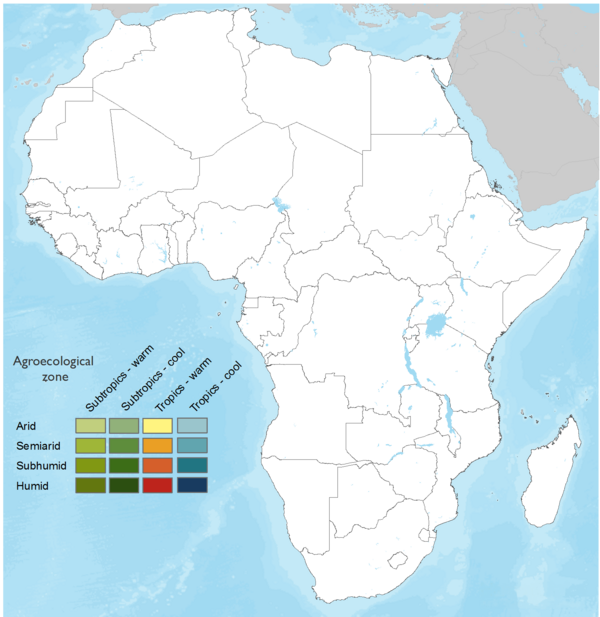
This technology can be used in the colored agro-ecological zones. Any zones shown in white are not suitable for this technology.
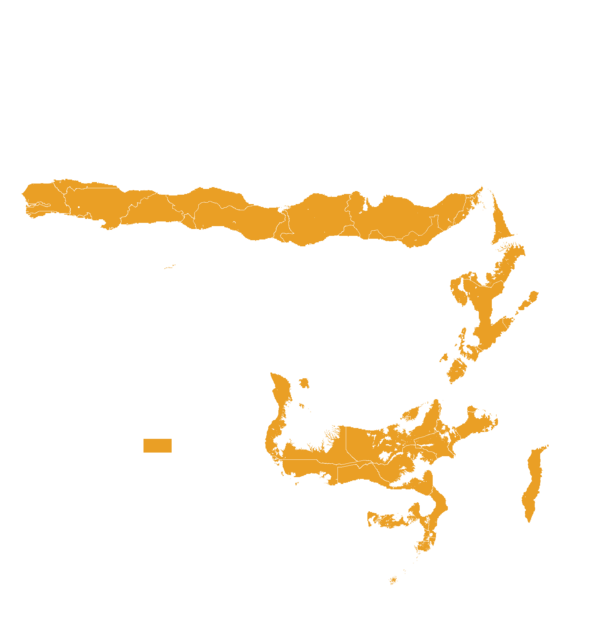
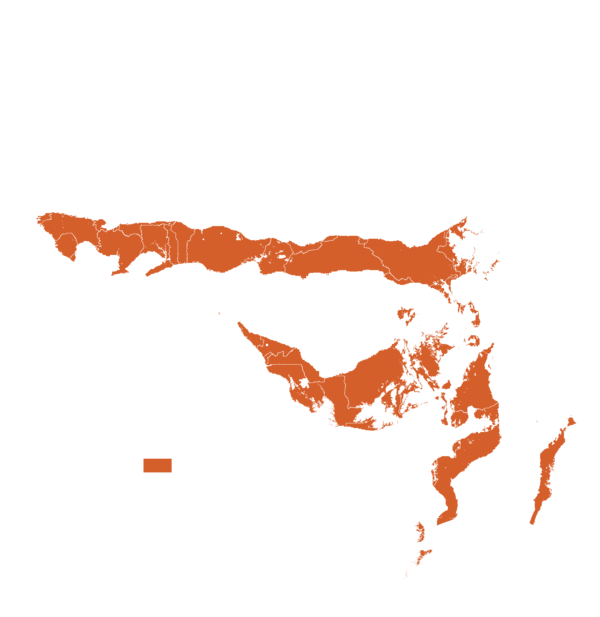

| AEZ | Subtropic - warm | Subtropic - cool | Tropic - warm | Tropic - cool |
|---|---|---|---|---|
| Arid | – | – | – | – |
| Semiarid | – | – | – | |
| Subhumid | – | – | – | |
| Humid | – | – | – |
Source: HarvestChoice/IFPRI 2009
The United Nations Sustainable Development Goals that are applicable to this technology.
Improves rice productivity, crop establishment, and farmer profitability while supporting sustainable food production.
Reduces labor requirements, supports mechanization service businesses, and improves farm profitability.
Reduces seed use by ≥50% and nitrogen fertilizer use by ≥20%, improving resource-use efficiency.

Can reduce the carbon footprint by ≥10% compared with conventional seeding practices.
Reduced fertilizer and pesticide use can help reduce pressure on soil and surrounding ecosystems.
Mechanized direct seeding has been tested in Viet Nam, Cambodia, Thailand, and the Philippines, while the combined mDSR-FDP technology has been adopted in Viet Nam. To use it, follow the steps:
Confirm field and timing suitability.
Follow the local rice-sowing calendar to reduce pest and disease risks. Confirm that the field is accessible to a tractor and has reliable irrigation and drainage. For saline soils, sow only when salinity is below 1‰ and after flushing the field with non-saline water.
Prepare and level the field.
Clear the field, repair bunds, incorporate or decompose remaining straw, and complete the locally recommended tillage and wet levelling. The difference between the highest and lowest points should not exceed 5 cm. For the summer–autumn season, the guideline recommends ploughing 15–20 cm deep and allowing the soil to dry for 15–30 days.
Remove standing water.
Drain the field 6–12 hours before seeding. The surface should remain muddy but should not contain standing water. Mark soft areas, rocks, hard objects, and other places that could obstruct or damage the machine.
Prepare the equipment.
Use a suitable tractor and an 8-, 12-, or 16-row mDSR + FDP unit. For wet-field operation, fit the tractor with cage wheels. Inspect the seed box, fertilizer box, metering devices, guiding tubes, blowers, levelling blade, soil openers, marker, and control system before entering the field.
Prepare the seed.
Use certified or higher-standard rice seed suited to local conditions. Dry the seed for 2–3 hours and test germination before treatment. Soak it in clean water for 24–48 hours, changing the water after the first 12 hours. Rinse away sour water and unfilled seeds, then incubate for 12–24 hours until the seed cracks and sprouts reach approximately 0.5–1.0 mm.
Prepare the fertilizer.
Base fertilizer rates on local or site-specific recommendations. The guideline recommends soil analysis every five years and a 10–15% reduction in nitrogen when using deep placement. Use fertilizer granules approximately 2–4 mm in diameter, with low adhesion and slow disintegration under humid conditions, to reduce blockages.
Calibrate the machine.
Set the seeding rate at no more than 70 kg/ha. Adjust the row arrangement, using settings such as 25 × 25 cm or 10 × 40 cm where appropriate. Calibrate the machine to place seed 1–3 mm below the soil surface and fertilizer 30–40 mm deep. Check the seed and fertilizer settings against the selected variety, field conditions, and local nutrient recommendations.
Operate the machine.
Drive at a steady speed appropriate for the field and machine. Follow the guide marker so that rows remain evenly spaced between consecutive passes. In one pass, the machine sows the seed, places fertilizer, levels the soil, and forms drainage furrows approximately 5–7 cm wide and 5 cm deep. Expected field capacity is approximately 0.3–1.6 ha/hour, depending on configuration and field conditions.
Check operating quality.
After the first short pass, stop and check seed distribution, row spacing, seed depth, fertilizer depth, and drainage-furrow formation. Confirm that seed and fertilizer are flowing through every tube and that no metering device is blocked. Recalibrate before continuing if placement is uneven or rates are incorrect.
Complete follow-up fertilizer and crop management.
The guideline divides fertilizer into two applications. Its example schedule applies 70–80% of the deep-placed fertilizer during seeding and applies the remaining rate later as panicle fertilizer. Adjust this schedule to local recommendations. Continue with locally appropriate irrigation, pest, disease, weed, and straw management.
Clean, inspect, and maintain the equipment.
After operation, empty remaining seed and fertilizer and check the boxes, metering devices, blowers, tubes, soil openers, levelling blade, and control system for blockage, wear, or damage. Follow the manufacturer’s maintenance instructions and use authorized technical support and spare parts. The supplied information does not specify fixed maintenance intervals.
Last updated on Nov 19, 2026
This technology can be used in the colored agro-ecological zones.

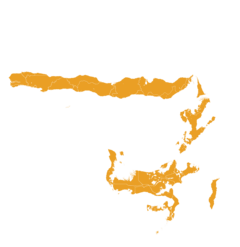
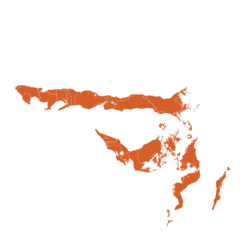
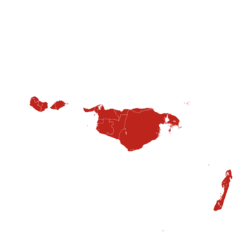

mDSR + FDP: Mechanized Rice Row Seeder with Deep Fertilizer Placement
https://e-catalogs.taat-africa.org/gov/technologies/mdsr-fdp-mechanized-rice-row-seeder-with-deep-fertilizer-placement
Last updated on 19 November 2026, printed on Nov 19, 2026
Enquiries e-catalogs@taat.africa