TAAT e-catalog
for
government
https://e-catalogs.taat-africa.org/gov/technologies/ipm-integrated-management-of-insects-diseases-and-weeds-in-wheat
Balanced Protection for Sustainable Harvests
IPM in wheat uses biological and cultural methods, including the release of beneficial organisms to control pests either gradually (inoculative) or immediately (inundative) during outbreaks. Techniques like altering planting times, rotating crops with rice and legumes, increasing crop density, and mass trapping with pheromones effectively manage aphids, whiteflies, thrips, and weeds while minimizing chemical inputs.
This technology is TAAT1 validated.
Adults 18 and over: Positive high
This technology can lead to higher income and food security, fostering economic stability.
Others: Positive medium
Stakeholders such as consumers and environmentalists benefit from IPM through increased food safety and environmental protection, leading to a healthier ecosystem.
The poor: Positive high
By increasing crop yields sustainably, it enhances their economic situation.
Under 18: Positive high
It reduces pesticide exposure, leading to better health outcomes for children who may be more vulnerable to chemical exposures.
Women: Positive high
This empowerment leads to improved economic opportunities and health for themselves and their families.
Climate adaptability: Highly adaptable
IPM practices are versatile and can be tailored to various climatic conditions, making them suitable for diverse agricultural settings.
Farmer climate change readiness: Significant improvement
IPM promotes resilience by using ecological principles that enhance farmers' ability to cope with climate variability and extreme weather events.
Biodiversity: Positive impact on biodiversity
IPM practices enhance biodiversity by promoting beneficial organisms and natural pest predators, leading to healthier ecosystems.
Carbon footprint: Much less carbon released
By reducing the reliance on chemical pesticides and promoting organic practices, IPM contributes to lower carbon emissions in agricultural production.
Environmental health: Greatly improves environmental health
IPM reduces chemical runoff and pesticide residues in ecosystems, leading to improved health for flora, fauna, and humans.
Soil quality: Does not affect soil health and fertility
IPM practices, which focus on biological and cultural methods, help maintain or improve soil health without depleting its nutrients.
Threats to national wheat production: Pests, diseases, and weeds can undermine wheat productivity and domestic grain supply.
Pesticide resistance management: Repeated dependence on chemical control can make pest management more difficult over time.
Public health protection: Unsafe pesticide handling and excessive applications can expose farmers, workers, and consumers to harmful residues.
Environmental contamination: Pesticide runoff and residues can affect water quality, soil organisms, and biodiversity.
Extension service challenges: Farmers need practical guidance to identify pests, monitor populations, and choose appropriate control measures.
Sustainable crop protection: Public agricultural services need approaches that protect yields while reducing unnecessary chemical use.
Sustainable crop protection: Promotes integrated pest management as an approach to protect wheat production while reducing dependence on chemical pesticides.
Extension and farmer training: Agricultural advisory services can train farmers to identify harmful and beneficial organisms, monitor crops, and apply appropriate management measures.
Resistance prevention: Promotes the use of diverse biological and cultural practices to reduce repeated reliance on the same chemical control methods.
Environmental protection: Reducing unnecessary pesticide applications can help limit chemical runoff and protect beneficial organisms and biodiversity.
Evidence-based interventions: Monitoring pest populations and assessing economic thresholds can support more targeted and appropriate control decisions.
Context-specific implementation: Crop rotation, planting adjustments, and other IPM practices can be adapted to local production systems and pest pressures.
Integrated Pest Management (IPM) enhances crop productivity, ensures food security, and minimizes pesticide-related health risks. It promotes sustainability by reducing chemical pesticide use and supports biodiversity conservation for ecosystem health and resilience.
To integrate this technology into your project, follow these steps:
Develop communication materials like flyers, videos, and radio broadcasts to promote the technology. For optimal results, integrate IPM with Mechanical and Chemical Weed Management and Seed Dressing with Fungicide and Insecticide.
Collaborate with agricultural development institutes for successful implementation of IPM in your country.
Reduction in beetle damage
Rust infestation reduction
Profit generated by IPM
Open source / open access
Scaling Readiness describes how complete a technology's development is and its ability to be scaled. It produces a score that measures a technology's readiness along two axes: the level of maturity of the idea itself, and the level to which the technology has been used so far.
Each axis goes from 0 to 9 where 9 is the “ready-to-scale” status. For each technology profile in the e-catalogs we have documented the scaling readiness status from evidence given by the technology providers. The e-catalogs only showcase technologies for which the scaling readiness score is at least 8 for maturity of the idea and 7 for the level of use.
The graph below represents visually the scaling readiness status for this technology, you can see the label of each level by hovering your mouse cursor on the number.
Read more about scaling readiness ›
Uncontrolled environment: tested
Common use by intended users, in the real world
| Maturity of the idea | Level of use | |||||||||
| 9 | ||||||||||
| 8 | ||||||||||
| 7 | ||||||||||
| 6 | ||||||||||
| 5 | ||||||||||
| 4 | ||||||||||
| 3 | ||||||||||
| 2 | ||||||||||
| 1 | ||||||||||
| 1 | 2 | 3 | 4 | 5 | 6 | 7 | 8 | 9 | ||
| Project | Countries | Beneficiaries | Budget (USD) & duration | Key figures |
|---|---|---|---|---|
|
CREW Climate Resilient Wheat Value Chain Development Project |
|
|
94.30 million African Development Bank (AfDB) 2023–2028 |
|
|
ENSURE Enabling Environments for Sustainable Regional Agriculture Extension |
|
|
13.14 million African Development Bank (AfDB) 2024–2027 |
|
Figures in italic are from project plans and may change during implementation.
| Country | Testing ongoing | Tested | Adopted |
|---|---|---|---|
| Benin | –No ongoing testing | –Not tested | Adopted |
| Burkina Faso | –No ongoing testing | –Not tested | Adopted |
| Ethiopia | –No ongoing testing | –Not tested | Adopted |
| Kenya | –No ongoing testing | –Not tested | Adopted |
| Niger | –No ongoing testing | –Not tested | Adopted |
| Nigeria | –No ongoing testing | –Not tested | Adopted |
| The Republic of the Sudan | –No ongoing testing | –Not tested | Adopted |
| Zimbabwe | –No ongoing testing | –Not tested | Adopted |
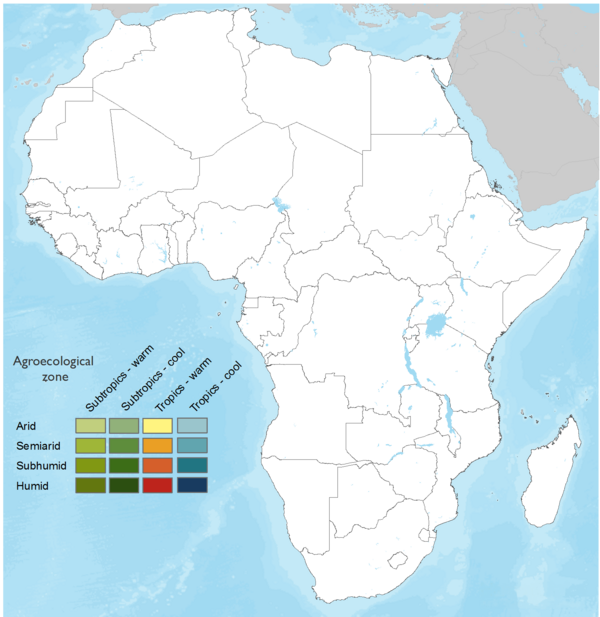
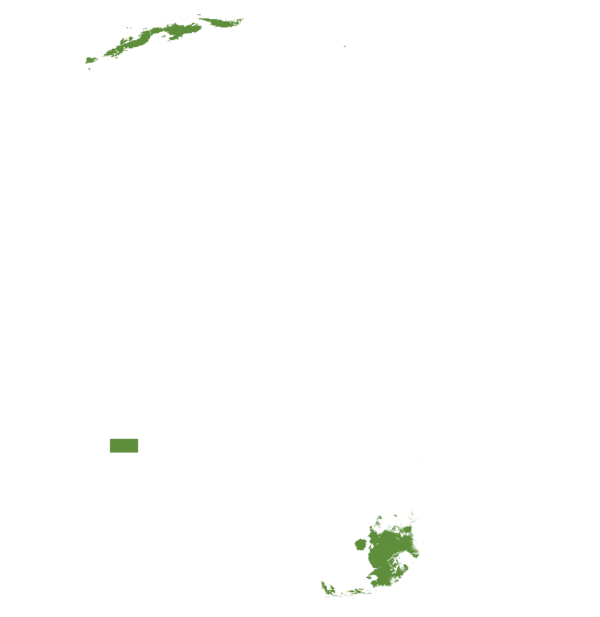
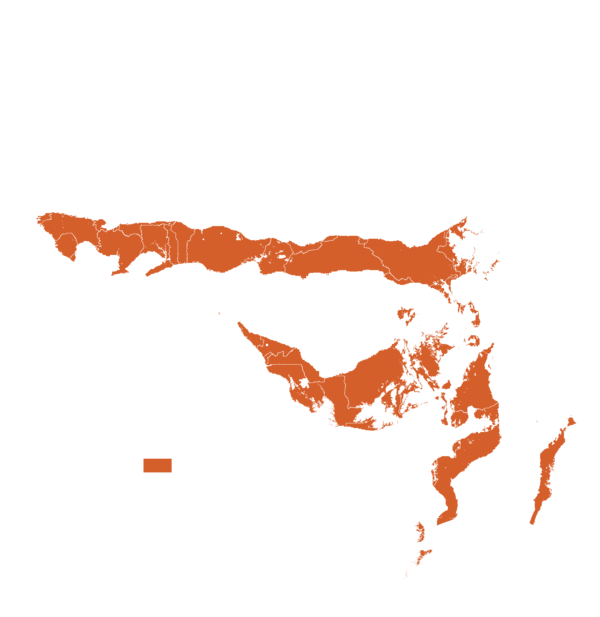
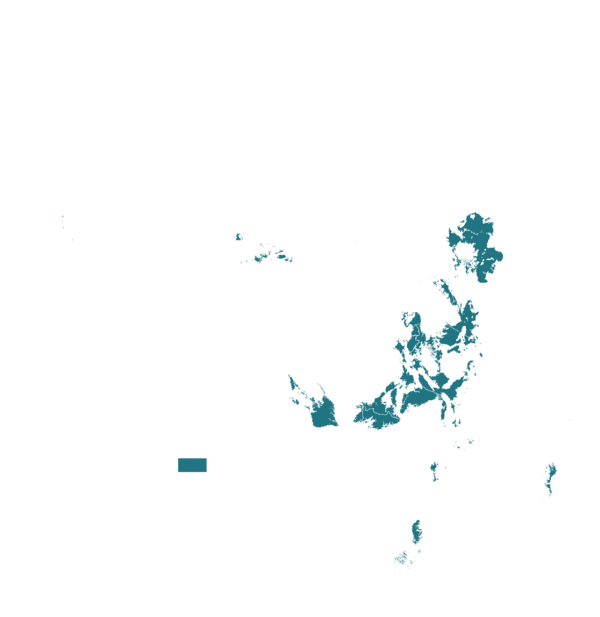
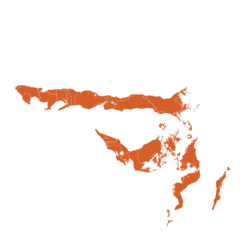
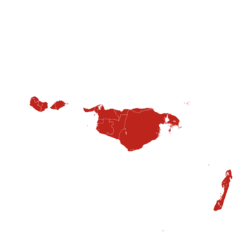
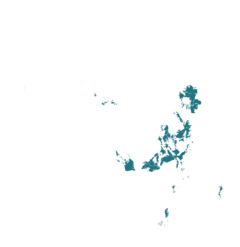
This technology can be used in the colored agro-ecological zones. Any zones shown in white are not suitable for this technology.







| AEZ | Subtropic - warm | Subtropic - cool | Tropic - warm | Tropic - cool |
|---|---|---|---|---|
| Arid | – | – | – | – |
| Semiarid | – | – | ||
| Subhumid | ||||
| Humid |
Source: HarvestChoice/IFPRI 2009
The United Nations Sustainable Development Goals that are applicable to this technology.
Its ensures a more stable food supply and protects crops from pests, ultimately contributing to the goal of eradicating hunger.
IPM supports biodiversity conservation by enhancing the presence of beneficial organisms and promoting healthier ecosystems.
By minimizing the use of harmful pesticides, IPM reduces health risks for farmers, consumers, and surrounding communities
By integrating biological and cultural pest management techniques, IPM supports waste reduction and resource efficiency.
Initial Assessment:
Monitoring Pests:
Weed Inspection:
Insect and Disease Surveys:
Data Analysis:
Threshold Evaluation:
Selecting IPM Measures:
Implementing Measures:
Special Considerations:
Additional Techniques:
Last updated on Oct 21, 2026
This technology can be used in the colored agro-ecological zones.









IPM: Integrated Management of Insects, Diseases and Weeds in Wheat
https://e-catalogs.taat-africa.org/gov/technologies/ipm-integrated-management-of-insects-diseases-and-weeds-in-wheat
Last updated on 21 October 2026, printed on Nov 2, 2026
Enquiries e-catalogs@taat.africa