Logo
TAAT e-catalog for government
https://e-catalogs.taat-africa.org/gov/technologies/innovation-platforms-for-facilitating-in-livestock-vaccination
Request information View pitch brochure

Innovation Platforms for facilitating in Livestock vaccination

Bringing farmers, vets, and institutions together to scale livestock vaccination!

Innovation Platforms (IPs) are coordination mechanisms that support government-led livestock vaccination programs by bringing together public veterinary services, local authorities, private veterinarians, vaccine suppliers, and farmer organizations. They strengthen planning, implementation, and monitoring of vaccination campaigns at local level. By improving communication, trust, and data on livestock populations, IPs help increase vaccination coverage, improve disease surveillance and control, and strengthen the performance and accountability of public animal health services.
This technology is pre-validated.

9•8

Scaling readiness: idea maturity 9/9; level of use 8/9

Positive impacts: 9

Target Groups

Positive Impacts

Women in informal livestock market activities

·       Improved access to vaccination information and services.

·       Greater voice in local decision-making through IP participation and stronger links to financial services and input suppliers.

·       Better integration into local disease control efforts.

·       Improved awareness of animal health risks and biosecurity, reducing disease transmission along market chains.

Youth and young livestock entrepreneurs in remote and hard-to-reach communities

·       Better access to networks and market opportunities.

·       Improved skills through participation in coordination platforms.

·       Reduced travel time and costs to access services.

·       Improved disease prevention in underserved areas.

Pastoralists and transhumant herders from low-income and resource-constrained households

·       Improved access to vaccination points along transhumance routes.

·       Stronger communication between mobile herders and veterinary services.

·       Reduced disease risks in mobile herds.

·       Reduced indirect costs (travel, missed work).

·       Better information on vaccination benefits and improved livestock survival and productivity, supporting household food security and income.

More...

Climate adaptability: Highly adaptable

strengthen resilience to climate change through improvement of herd productivity resulting in increased farmer incomes and nutrition.

Farmer climate change readiness: Moderate improvement

healthy animals emit less greenhouse gas

Biodiversity: Positive impact on biodiversity

health animals will provide essential services such as pollination, and soil productivity, which are crucial for maintaining biodiversity and ecosystem health.

Carbon footprint: Much less carbon released

healthy animals emit less greenhouse gas

Environmental health: Greatly improves environmental health

health animals make less waste and less spread of disease through the environment

Soil quality: Does not affect soil health and fertility

healthy animals will adopt optimum grazing which enhance soil health by recycling nutrients, enriching the soil, and providing ecosystem services such as soil stabilization and carbon sequestration.

Water use: Same amount of water used

health animals pollute water less and contribute to quality of water accessible to them for their health, growth rates, and overall productivity.

Problem

  • Low farmer participation in vaccination campaigns
    Many livestock keepers do not bring their animals for vaccination due to weak awareness, poor mobilization, and limited confidence in campaign organization, leading to low overall coverage.
  • Weak planning, monitoring, and evaluation of campaigns
    Vaccination campaigns are often poorly planned and weakly monitored, making it difficult to track coverage, identify gaps, and ensure accountability for public resources.
  • Vaccine shortages and mismatches between supply and real needs
    Inaccurate livestock population data leads to poor forecasting, resulting in vaccine shortages in some areas and underutilization in others.
  • Limited trust between farmers and veterinary services
    Past experiences with poor-quality services or products reduce farmer confidence in veterinarians and public vaccination programs, affecting uptake.
  • Persistent low coverage of priority diseases (peste  des petits ruminants (PPR), Contagious Bovine 
    Pleuropneumonia (CBPP) and bovine and ovine pasteurellosis)

    Insufficient vaccination coverage undermines national disease control and eradication objectives, increasing risks to food security, public investment efficiency, and livestock sector productivity.

Solution

  • Stronger coordination across the vaccine delivery system
    Innovation Platforms improve linkages between public veterinary services, private veterinarians, vaccine producers, and local authorities, enabling better joint planning and execution of vaccination campaigns.
  • Improved community awareness and mobilization
    Structured engagement with communities increases understanding of vaccination benefits, leading to higher farmer turnout during campaigns.
  • Restored trust in veterinary services
    Regular interaction between farmers, veterinarians, and authorities rebuilds confidence in public vaccination programs and service delivery.
  • More accurate livestock data for planning and forecasting
    Participatory livestock census improves estimation of animal populations to be vaccinated, reducing vaccine shortages and improving allocation of public resources.
  • Higher and more inclusive vaccination coverage
    Increased participation of farmers, including women, leads to measurable gains in vaccination coverage (+8–10% for CBPP and PPR), supporting national disease control targets.

Key points to design your project

To integrate Innovation Platforms (IPs) into public livestock vaccination programs and local service delivery systems, governments need both basic system readiness and simple operational steps.

  • Map the vaccine delivery value chain to clearly identify public veterinary services, private vets, vaccine suppliers, cold chain actors, and community structures involved in vaccination.
  • Formally identify and convene all key stakeholders at commune level (producers, traders, processors, service providers, NGOs, microfinance institutions, local leaders) to ensure coordination and legitimacy.
  • Use the IP to jointly identify and prioritize operational constraints (low farmer participation, logistics gaps, cold chain issues, planning weaknesses) before launching campaigns.
  • Embed IPs in routine planning and monitoring of vaccination campaigns so that coordination becomes part of standard public service delivery, not an ad-hoc activity.
  • Collaborate with technical resource persons (e.g. ILRI) to support facilitation, design of coordination processes, and documentation of results for learning and scale-up.

IP

Open source / open access

Scaling Readiness describes how complete a technology’s development is and its ability to be scaled. It produces a score that measures a technology’s readiness along two axes: the level of maturity of the idea itself, and the level to which the technology has been used so far.

Each axis goes from 0 to 9 where 9 is the “ready-to-scale” status. For each technology profile in the e-catalogs we have documented the scaling readiness status from evidence given by the technology providers. The e-catalogs only showcase technologies for which the scaling readiness score is at least 8 for maturity of the idea and 7 for the level of use.

The graph below represents visually the scaling readiness status for this technology, you can see the label of each level by hovering your mouse cursor on the number.

Read more about scaling readiness ›

Scaling readiness score of this technology

Maturity of the idea 9 out of 9

Uncontrolled environment: validated

Level of use 8 out of 9

Used by some intended users, in the real world

Maturity of the idea Level of use
9
8
7
6
5
4
3
2
1
1 2 3 4 5 6 7 8 9

Positive impact 9

Target Groups

Positive Impacts

Women in informal livestock market activities

·       Improved access to vaccination information and services.

·       Greater voice in local decision-making through IP participation and stronger links to financial services and input suppliers.

·       Better integration into local disease control efforts.

·       Improved awareness of animal health risks and biosecurity, reducing disease transmission along market chains.

Youth and young livestock entrepreneurs in remote and hard-to-reach communities

·       Better access to networks and market opportunities.

·       Improved skills through participation in coordination platforms.

·       Reduced travel time and costs to access services.

·       Improved disease prevention in underserved areas.

Pastoralists and transhumant herders from low-income and resource-constrained households

·       Improved access to vaccination points along transhumance routes.

·       Stronger communication between mobile herders and veterinary services.

·       Reduced disease risks in mobile herds.

·       Reduced indirect costs (travel, missed work).

·       Better information on vaccination benefits and improved livestock survival and productivity, supporting household food security and income.

Unintended impact 8

Target Groups

Unintended Impacts

Mitigation Measures

Women in informal livestock market activities

·       Increased time burden from meetings and coordination roles;

·       Risk of token participation without real influence;

·       Potential backlash or restrictions from household or market power dynamics.

·       Schedule meetings at convenient times and locations;

·       Ensure women hold meaningful leadership roles with decision power;

·       Engage male leaders and market authorities to support women’s participation;

·       Provide safe spaces for women’s voices (e.g., women-only pre-meetings).

Youth and young livestock entrepreneurs in remote and hard-to-reach communities

·       Risk of being used mainly as unpaid mobilizers;

·       Frustration if promised business opportunities do not materialize;

·       Exclusion from decisions due to age hierarchies.

·       Define clear roles and fair incentives for youth participation;

·       Link IP engagement to concrete opportunities (training, service contracts, pilots);

·       Include youth representatives in IP leadership;

·       Provide mentorship and visibility for youth contributions.

Pastoralists and transhumant herders from low-income and resource-constrained households

·       Continued exclusion if IPs remain sedentary and meeting-based;

·       Vaccination schedules still misaligned with mobility patterns;

·       Adapt participation methods (mobile coordination, representation through pastoralist leaders);

·       Align vaccination points with transhumance routes and market days;

·       Ensure balanced representation in IP governance; frame IPs as service coordination platforms, not enforcement bodies;

·       Use trusted intermediaries for engagement.

Barriers 11

Target Groups

Barriers to adoption

Mitigation Measures

Women in informal livestock market activities

·       Limited time due to care and market work;

·       Low representation in decision-making spaces;

·       Limited access to finance and formal networks;

·       Low access to information on vaccination schedules and benefits.

·       Schedule IP meetings at convenient times and locations;

·       Set minimum targets for women’s representation in IP leadership;

·       use women’s groups and market associations for outreach;

·       link women to microfinance and input suppliers; tailor communication channels (local radio, peer educators).

Youth and young livestock entrepreneurs in remote and hard-to-reach communities

·       Limited capital and assets to engage in service delivery;

·       Weak networks and low credibility with established actors;

·       High costs of accessing markets and services due to distance;

·       Limited technical skills.

·       Provide entry points for youth in IP roles (mobilization, logistics, service support);

·       Link youth to training, mentorship, and starter finance;

·       Use IPs to connect youth to markets and service contracts;

·       Support mobile or digital outreach to reduce distance barriers.

Pastoralists and transhumant herders from low-income and resource-constrained households

·       Mobility makes it hard to attend fixed meetings and vaccination points;

·       Vaccination schedules not aligned with migration routes;

·       Low trust in formal services due to past exclusion.

·       Adapt IP participation mechanisms (mobile representatives, coordination across communes);

·       Align vaccination schedules with transhumance calendars;

·       Establish vaccination points along routes and markets; explore targeted subsidies or flexible payment options;

·       Use trusted intermediaries (pastoralist leaders, herder associations) for engagement.

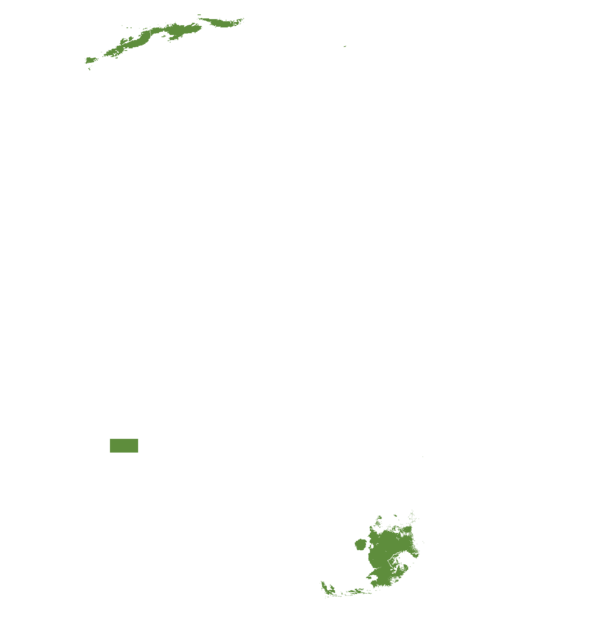
Countries with a green colour
Tested & adopted
Countries with a bright green colour
Adopted
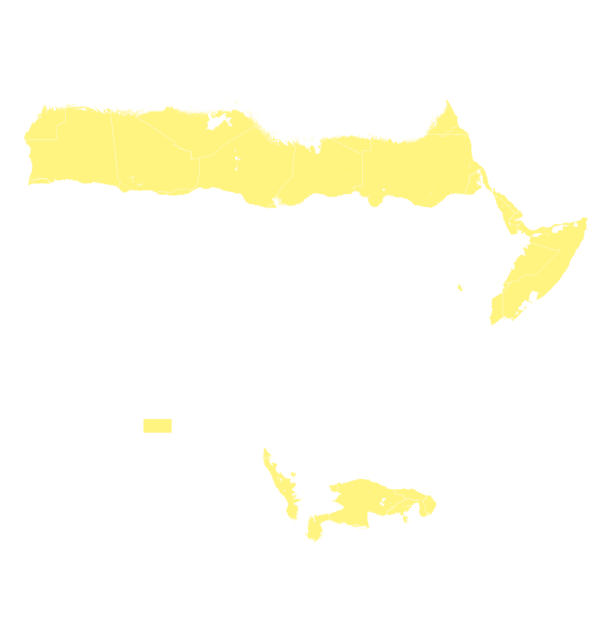
Countries with a yellow colour
Tested
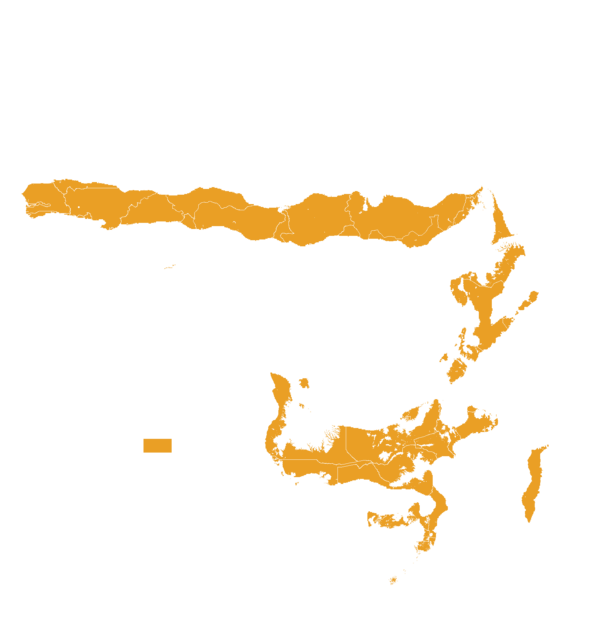
Countries with a blue colour
Testing ongoing
Egypt Equatorial Guinea Ethiopia Algeria Angola Benin Botswana Burundi Burkina Faso Democratic Republic of the Congo Djibouti Côte d’Ivoire Eritrea Gabon Gambia Ghana Guinea Guinea-Bissau Cameroon Kenya Libya Liberia Madagascar Mali Malawi Morocco Mauritania Mozambique Namibia Niger Nigeria Republic of the Congo Rwanda Zambia Senegal Sierra Leone Zimbabwe Somalia South Sudan Sudan South Africa Eswatini Tanzania Togo Tunisia Chad Uganda Western Sahara Central African Republic Lesotho
Countries where the technology is being tested or has been tested and adopted
Country Testing ongoing Tested Adopted
Mali No ongoing testing Not tested Adopted

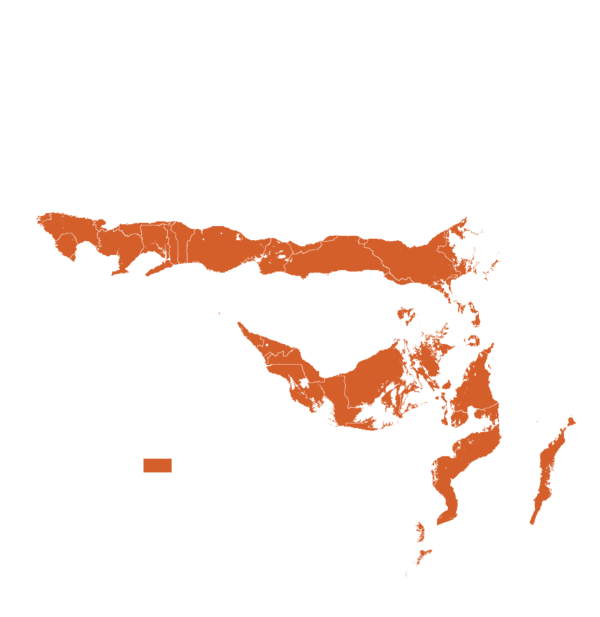
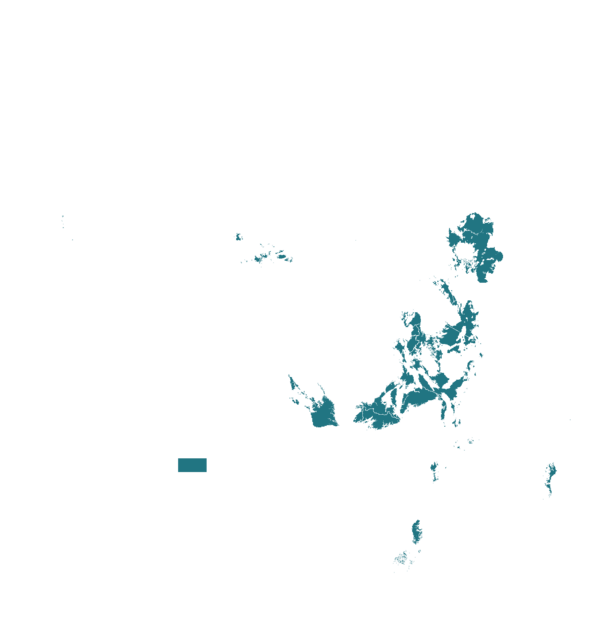
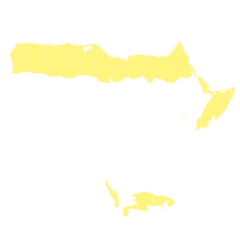
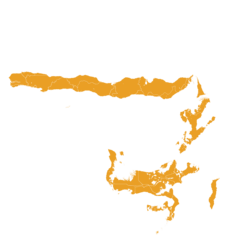
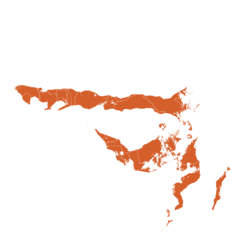
This technology can be used in the colored agro-ecological zones. Any zones shown in white are not suitable for this technology.
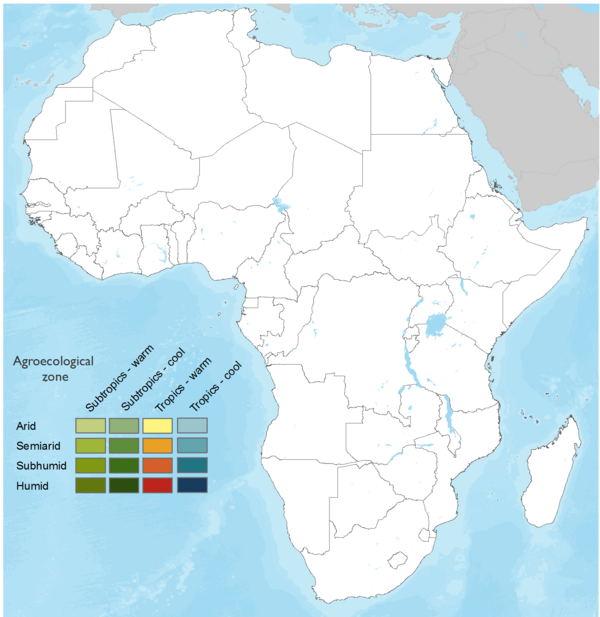
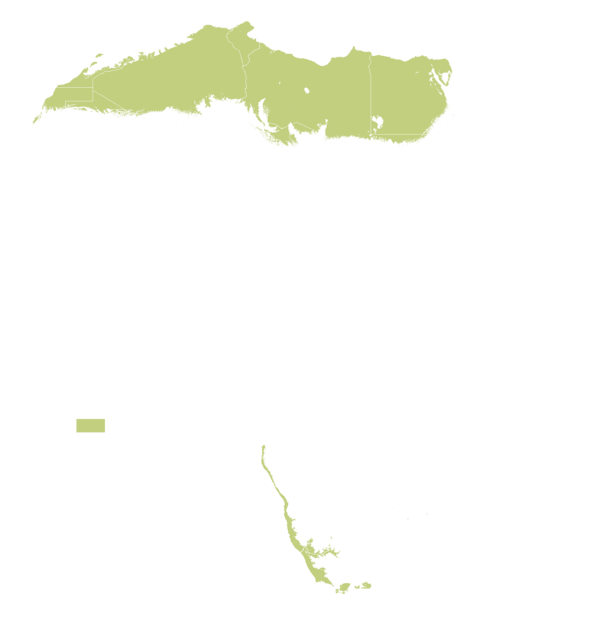
Agro-ecological zones where this technology can be used
AEZ Subtropic - warm Subtropic - cool Tropic - warm Tropic - cool
Arid
Semiarid
Subhumid
Humid

Source: HarvestChoice/IFPRI 2009

The United Nations Sustainable Development Goals that are applicable to this technology.
Sustainable Development Goal 2: zero hunger
Goal 2: zero hunger

Improves livestock health and productivity through higher vaccination coverage, increasing the availability of animal-source foods and strengthening food security.
Sustainable Development Goal 3: good health and well-being
Goal 3: good health and well-being

Strengthens animal health service delivery and disease prevention systems, reducing the burden of endemic livestock diseases.
Sustainable Development Goal 5: gender equality
Goal 5: gender equality

Increases women’s participation in vaccination programs and local decision-making, improving their access to animal health services and economic opportunities.
Sustainable Development Goal 17: partnerships for the goals
Goal 17: partnerships for the goals

Builds effective public–private–community partnerships to plan and deliver livestock vaccination at scale.

Step-by-Step: How to Set Up and Run Innovation Platforms (IPs)

Step 1 – Select the territory (commune)
Choose a commune (urban or rural) as the coordination unit, covering several villages.

Step 2 – Map key actors
Identify all actors in the livestock vaccination system:
farmers, private veterinarians, vaccine suppliers, public veterinary services, traders, processors, financial institutions, NGOs, community leaders.

Step 3 – Organize a 2-day setup workshop
Hold a 2-day workshop in each commune to:

  • bring all actors together,
  • agree on common vaccination challenges,
  • create the Innovation Platform.

Step 4 – Form the IP steering committee
Elect a small leadership team: coordinator, secretary, treasurer, communication lead.
Ensure women are represented (at least two leadership positions).

Step 5 – Train IP leaders and facilitators
Train steering committee members on governance, leadership, and coordination.
Train local facilitators to run meetings and support dialogue between actors.

Step 6 – Plan joint actions
Develop a simple work plan for vaccination campaigns:
roles, timelines, community mobilization, logistics, and follow-up.

Step 7 – Hold regular coordination meetings
Meet regularly (about once per month) to:
review progress, solve problems, and adjust plans.

Step 8 – Build capacities continuously
Provide ongoing training to IP members on:
vaccination planning, community engagement, data collection, and coordination.

Step 9 – Monitor and document results
Record meetings, activities, and vaccination outcomes.
Collect basic data on participation and coverage.

Step 10 – Review and improve annually
Hold an annual planning and review workshop with all actors to:
share results, identify gaps, and update the action plan for the next year.

Last updated on 11 March 2026