
TAAT e-catalog
for
government
https://e-catalogs.taat-africa.org/gov/technologies/finapp-spa-soil-moisture-monitoring-for-precision-irrigation-over-large-fields
Smart soil moisture monitoring for improved water-use efficiency, crop performance, and climate resilience.
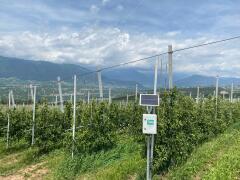
Finapp Soil Moisture Probe is a soil moisture monitoring technology that measures the amount of water in the soil across large agricultural areas using naturally occurring cosmic rays. A single above-ground probe can monitor soil moisture over areas of up to 10 hectares, providing continuous field-level measurements without the need for multiple buried sensors. The technology generates real-time soil moisture data and supports irrigation planning through the Fin4Crop Decision Support System. For governments and public institutions, it provides a practical tool for improving agricultural water management, supporting climate adaptation strategies, and promoting the sustainable use of water resources in irrigated farming systems.
This technology is pre-validated.
|
Target groups |
Positive impacts |
|
Women farmers and women-led groups |
Timely irrigation advice may reduce crop losses and improve water use. Shared access through cooperatives or irrigation schemes can reduce individual costs and strengthen women’s participation in water-management decisions. |
|
Low-income smallholders in irrigation schemes |
Shared monitoring services can provide access without individual probe ownership. Better irrigation scheduling may reduce water use, pumping costs, and losses caused by water stress. |
|
Rural youth and young agri-service providers |
The technology can create opportunities in installation, maintenance, data interpretation, and irrigation advisory services. It can also strengthen practical skills in digital and precision agriculture. |
Climate adaptability: Highly adaptable
Smart Soil Moisture Monitoring's technology operates effectively across diverse climates, including hyper-arid and highly humid environments. It is not significantly affected by soil salinity, frost, snow cover, heavy rainfall, or extreme temperatures.
Farmer climate change readiness: Significant improvement
The technology enables farmers to shift from calendar-based irrigation to predictive and data-driven irrigation management, improving resilience to droughts, erratic rainfall, and changing climatic conditions.
Biodiversity: Positive impact on biodiversity
By reducing over-irrigation and limiting the movement of fertilizers and pesticides into surrounding ecosystems, the technology helps protect aquatic and terrestrial biodiversity.
Carbon footprint: Much less carbon released
Improved irrigation efficiency reduces water pumping requirements and lowers energy consumption, resulting in reduced greenhouse gas emissions from agricultural operations.
Environmental health: Greatly improves environmental health
The technology helps prevent waterlogging, protects local aquifers, and supports more sustainable use of water resources.
Soil quality: Improves soil health and fertility
Maintaining optimal soil moisture levels helps preserve soil structure, reduce nutrient losses, protect beneficial soil organisms, and maintain long-term soil fertility.
Water use: Much less water used
The technology can reduce water use by approximately 30–40% by ens
Finapp Soil Moisture Probe provides governments with a practical solution to improve agricultural water management, strengthen climate adaptation, and increase irrigation efficiency through real-time and predictive soil moisture monitoring. By supporting more efficient water use, improving crop productivity, and strengthening drought preparedness, the technology contributes to SDG 2 (Zero Hunger), SDG 6 (Clean Water and Sanitation), SDG 13 (Climate Action), and SDG 15 (Life on Land).
Patent granted, Trademark
Scaling Readiness describes how complete a technology's development is and its ability to be scaled. It produces a score that measures a technology's readiness along two axes: the level of maturity of the idea itself, and the level to which the technology has been used so far.
Each axis goes from 0 to 9 where 9 is the “ready-to-scale” status. For each technology profile in the e-catalogs we have documented the scaling readiness status from evidence given by the technology providers. The e-catalogs only showcase technologies for which the scaling readiness score is at least 8 for maturity of the idea and 7 for the level of use.
The graph below represents visually the scaling readiness status for this technology, you can see the label of each level by hovering your mouse cursor on the number.
Read more about scaling readiness ›
Uncontrolled environment: validated
Common use by projects NOT connected to technology provider
| Maturity of the idea | Level of use | |||||||||
| 9 | ||||||||||
| 8 | ||||||||||
| 7 | ||||||||||
| 6 | ||||||||||
| 5 | ||||||||||
| 4 | ||||||||||
| 3 | ||||||||||
| 2 | ||||||||||
| 1 | ||||||||||
| 1 | 2 | 3 | 4 | 5 | 6 | 7 | 8 | 9 | ||
|
Target groups |
Positive impacts |
|
Women farmers and women-led groups |
Timely irrigation advice may reduce crop losses and improve water use. Shared access through cooperatives or irrigation schemes can reduce individual costs and strengthen women’s participation in water-management decisions. |
|
Low-income smallholders in irrigation schemes |
Shared monitoring services can provide access without individual probe ownership. Better irrigation scheduling may reduce water use, pumping costs, and losses caused by water stress. |
|
Rural youth and young agri-service providers |
The technology can create opportunities in installation, maintenance, data interpretation, and irrigation advisory services. It can also strengthen practical skills in digital and precision agriculture. |
|
Target groups |
Unintended impacts |
Mitigation measures |
|
Women farmers and women-led groups |
Men, landowners, or scheme managers may control the equipment, data, and irrigation decisions. Women may participate in production without receiving equal access to information or benefits. |
Ensure women’s representation in management committees. Provide direct access to irrigation information through SMS, voice messages, extension agents, and group meetings. Monitor women’s participation and benefits. |
|
Low-income smallholders in irrigation schemes |
Larger or better-resourced farms may capture most benefits. Measurements across large areas may not represent small plots with different crops, soils, or management practices. |
Use transparent beneficiary-selection rules. Validate recommendations for different plots. Organize access through cooperatives, water-user groups, or public irrigation services. |
|
Rural youth and young agri-service providers |
Opportunities may mainly benefit educated or well-connected youth. Dependence on proprietary equipment and software may restrict local repair and independent service delivery. |
Provide practical training for youth with different education levels. Clarify licensing, data access, maintenance, and local service arrangements. Support partnerships with training centres and local businesses. |
|
Target groups |
Barriers to adoption |
Mitigation measures |
|
Women farmers and women-led groups |
Limited access to irrigated land, finance, smartphones, training, and decision-making structures may restrict adoption. |
Deploy through women’s groups, cooperatives, and public programs. Provide targeted training, shared access, and inclusive financing. |
|
Low-income smallholders in irrigation schemes |
Equipment, installation, connectivity, maintenance, and service costs may be unaffordable. Farmers without functional irrigation systems cannot use the recommendations effectively. |
Use shared ownership, rental, cost-sharing, or pay-per-service models. Assess irrigation infrastructure and field suitability before installation. Clearly disclose all recurring costs. |
|
Rural youth and young agri-service providers |
Limited access to land, capital, equipment, connectivity, and technical support may restrict participation. External providers may retain most installation and maintenance activities. |
Support youth-led service businesses, equipment financing, mentorship, and practical certification. Develop local installation, maintenance, and advisory capacity. |
| Country | Testing ongoing | Tested | Adopted |
|---|---|---|---|
| Democratic Republic of the Congo | –No ongoing testing | –Not tested | Adopted |
| Egypt | Testing ongoing | –Not tested | –Not adopted |
| Ghana | –No ongoing testing | –Not tested | Adopted |
| Kenya | –No ongoing testing | –Not tested | Adopted |
| Morocco | –No ongoing testing | –Not tested | Adopted |
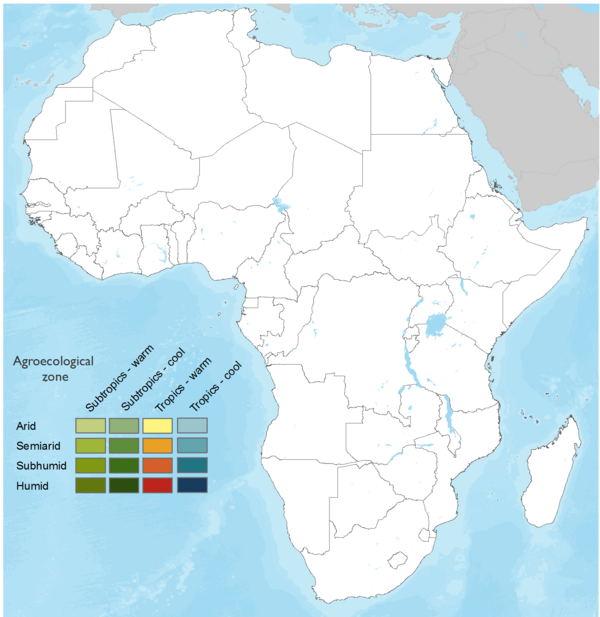
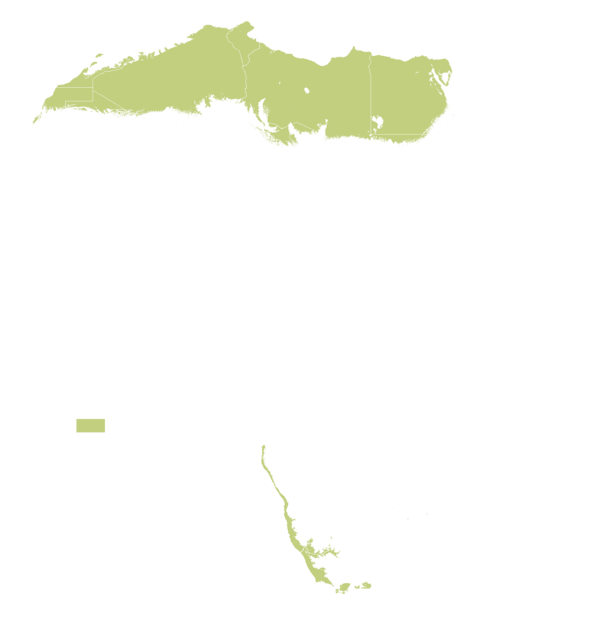
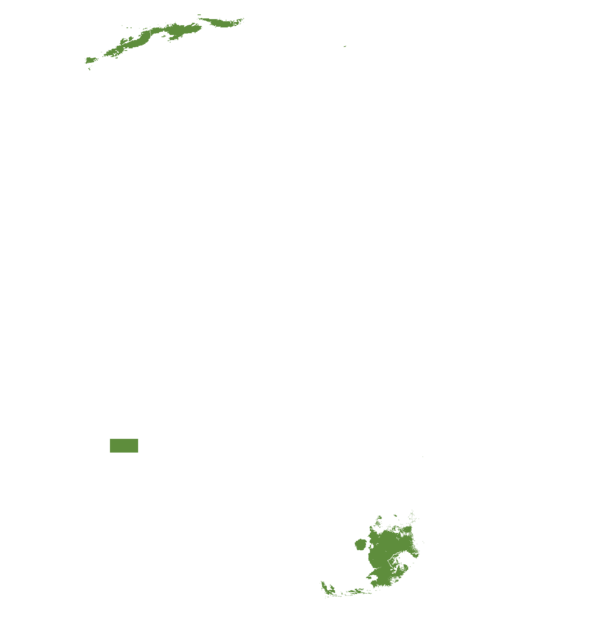
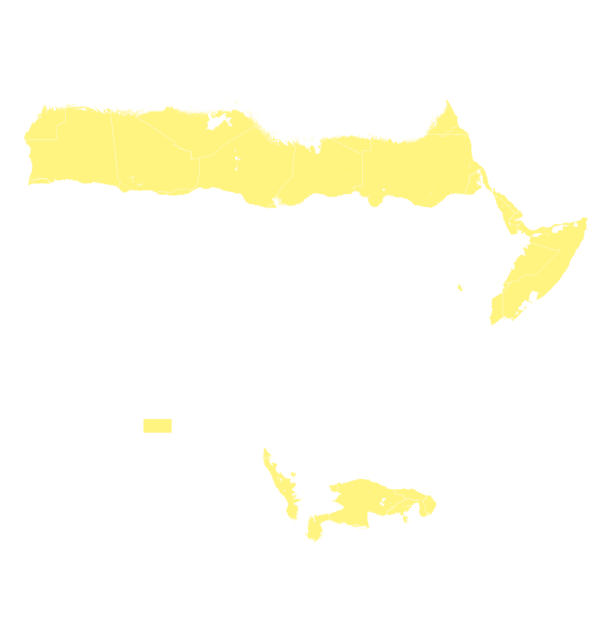
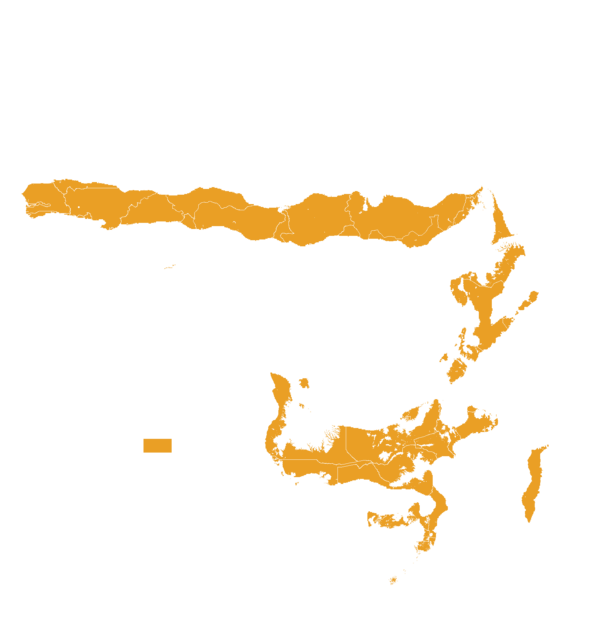
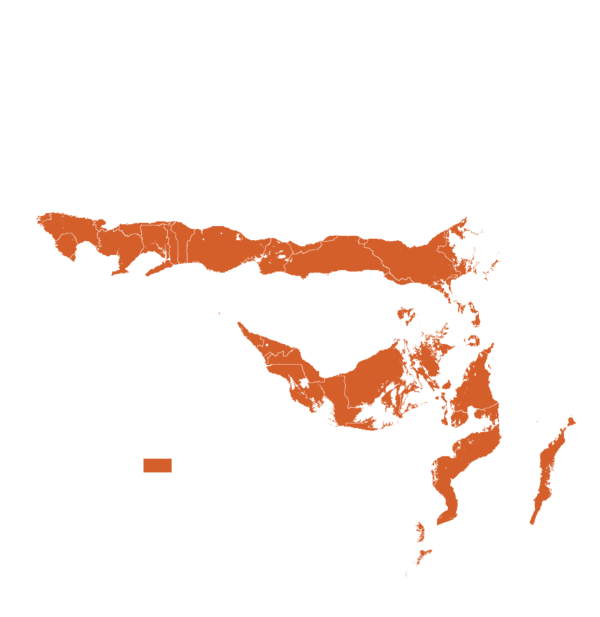
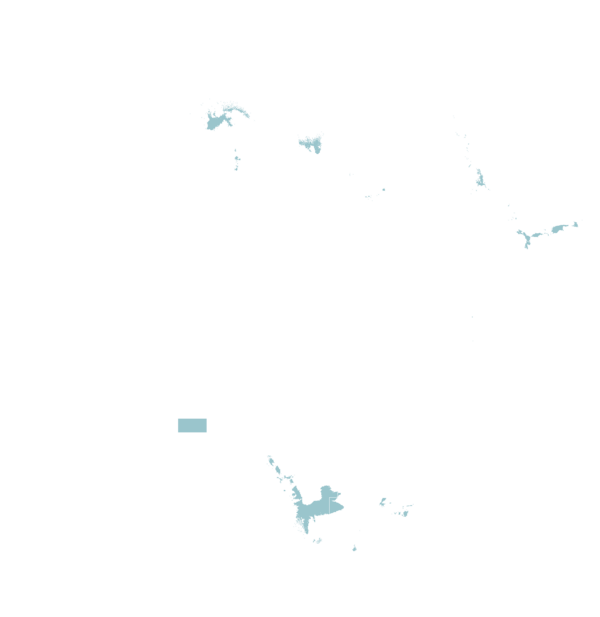
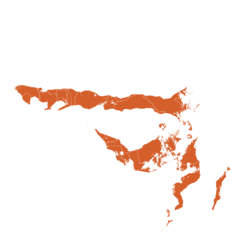
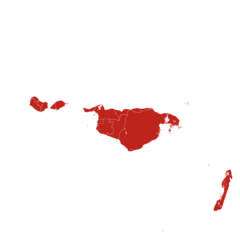
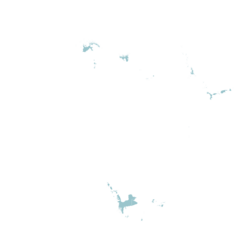
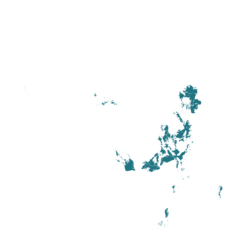
This technology can be used in the colored agro-ecological zones. Any zones shown in white are not suitable for this technology.








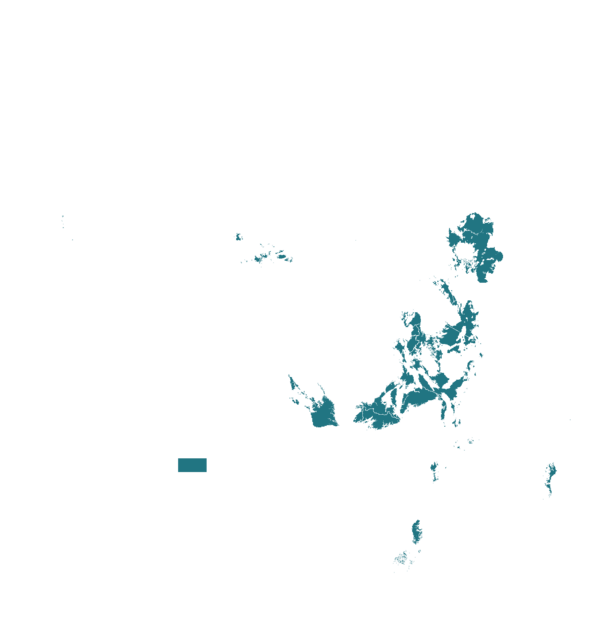

| AEZ | Subtropic - warm | Subtropic - cool | Tropic - warm | Tropic - cool |
|---|---|---|---|---|
| Arid | ||||
| Semiarid | ||||
| Subhumid | ||||
| Humid |
Source: HarvestChoice/IFPRI 2009
The United Nations Sustainable Development Goals that are applicable to this technology.
Supports improved agricultural productivity and helps reduce crop losses caused by water stress.
Promotes efficient use and conservation of freshwater resources through optimized irrigation management.

Strengthens climate adaptation and resilience through predictive irrigation and climate-smart water management.

Helps protect soil health, biodiversity, and natural ecosystems by reducing over-irrigation and environmental degradation.
Finapp Soil Moisture Probe is designed as a plug-and-play system that can be installed quickly and operated with minimal technical complexity.
Step 1 – Install the probe and solar panel
Install the CRNS probe and solar panel on a 2.5-meter-high pole with a diameter of 48 mm. The installation point should be selected to optimize the probe’s measurement radius across the field.
Step 2 – Connect the power system
Connect the solar panel and battery to the probe to provide continuous off-grid power.
Step 3 – Switch on the device
Turn on the device to begin soil moisture monitoring.
Step 4 – Access real-time data
Once activated, the probe continuously measures soil moisture and transmits data that can be accessed in real time through a computer, smartphone, or tablet.
Step 5 – Use Fin4Crop decision support services
Use the Fin4Crop Decision Support System (DSS) to receive irrigation recommendations, including alerts up to seven days in advance indicating when and how much to irrigate.
Last updated on Sep 18, 2026
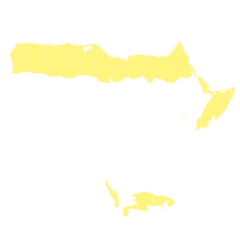
This technology can be used in the colored agro-ecological zones.













Finapp S.P.A.: Soil Moisture Monitoring for Precision Irrigation Over Large Fields
https://e-catalogs.taat-africa.org/gov/technologies/finapp-spa-soil-moisture-monitoring-for-precision-irrigation-over-large-fields
Last updated on 18 September 2026, printed on Sep 22, 2026
Enquiries e-catalogs@taat.africa