TAAT e-catalog
for
government
https://e-catalogs.taat-africa.org/gov/technologies/disease-resilient-and-market-preferred-tomato-varieties
Better yield, less disease, more income
The improved tomato varieties are a strategic step to boost the country's vegetable sector and food sovereignty. They address postharvest loss, most varieties last only 15 days, and increase productivity, helping smallholder farmers reach urban markets and raise income. As inbred varieties, they allow local seed companies to produce quality seeds locally. This reduces the need to import seeds and helps build a stronger national seed system. By combining better productivity and transportability with local seed production, this technology creates an efficient value chain that enhances farmers' competitiveness, economic stability, and rural growth.
This technology is pre-validated.
|
Target groups |
Positive impacts |
|---|---|
|
Under 18 (children & youth) |
• Improved nutrition and household food security. • Income from tomato farming helps pay school fees. • Youth agribusiness opportunities. |
|
Adults (18 +) |
• Higher and more stable yields. • Better fruit quality and longer shelf life. • Improved income and poverty reduction. |
|
Women |
• Participation in variety selection and testing. • Higher yields and improved fruit quality. • Income generation and enhanced food security. |
|
Low‑income households |
• Income growth and poverty reduction. • Improved nutrition. • Ability to save seed (open‑pollinated varieties). |
Climate adaptability: Highly adaptable
Open‑pollinated varieties maintain wide genetic diversity and are naturally sensitive to the environment, making them flexible and able to adapt to various soil types, cold or warm climates, wet or dry conditions, and even salinity. This adaptability means they can cope better with climatic fluctuations, though the BENTO series performs best in cool seasons.
Farmer climate change readiness: Moderate improvement
The varieties themselves enhance resilience by tolerating diseases and offering stable yields; however, farmers still need climate‑smart practices (nursery management, irrigation, integrated pest management) to cope with heat waves and irregular rainfall. Extension support and training are therefore required; readiness is moderate rather than transformative.
Biodiversity: Positive impact on biodiversity
Being open‑pollinated, these varieties contribute to on‑farm biodiversity because their seeds can be saved and replanted, and they maintain genetic variation. This helps conserve diverse tomato germplasm and reduces dependence on a few hybrid lines.
Carbon footprint: A bit less carbon released
Field‑grown tomatoes using flood irrigation consume significant diesel and electricity. Although the BENTO varieties are open‑pollinated and not inherently low‑carbon, combining them with efficient irrigation and reduced synthetic inputs can slightly lower the carbon footprint compared with conventional hybrids.
Environmental health: Moderately improves environmental health
Farmers using heavy chemical fertilisers and pesticides reported soil degradation, but training on natural fertilisers and integrated pest management improved soil quality. With these varieties, adopting organic amendments and IPM reduces pollution and improves environmental health.
Soil quality: Does not affect soil health and fertility
As noted above, reduced reliance on synthetic fertilisers and pesticides restores soil fertility; farmers practising IPM and natural fertilisers observed better soil structure and productivity. Thus the varieties, when combined with sustainable practices, can moderately improve soil health.
Water use: Same amount of water used
Open‑field flood irrigation for tomatoes uses about 0.877 kg water per m² per day ; drip irrigation may use more water per area but improves distribution efficiency . The varieties themselves do not reduce water needs, so overall water use is similar unless farmers adopt efficient irrigation systems.
Unreliable national tomato supply: Crop failure caused by bacterial wilt and tomato yellow leaf curl virus can reduce production in affected areas and destabilize market supply.
Unpredictable production outcomes: Low and unstable yields make it difficult to establish realistic production targets and assess the performance of agricultural support services.
Post-harvest losses and price instability: Short shelf life reduces the volume reaching markets and can contribute to fluctuations in tomato availability and prices.
Limited access to reliable seed: The use of recycled or mixed seed can reduce varietal performance and complicate efforts to improve national tomato productivity.
Weak seed multiplication capacity: Inadequate availability and quality control of seed can constrain the expansion of improved tomato varieties.
Challenges in market development: Inconsistent fruit quality, limited shelf life, and unstable supply can weaken the efficiency of tomato value chains and reduce farmers' competitiveness.
Reduce disease-related crop failure: Promote varieties with resistance or tolerance to bacterial wilt and tomato yellow leaf curl virus, selecting them according to local disease pressure.
Improve production planning: Use documented crop cycles and variety-specific yield information to establish realistic production targets and guide extension services.
Reduce post-harvest losses: Encourage varieties with longer shelf life where they are suitable for local handling, storage, and transport conditions.
Strengthen local seed supply: Support local seed companies and qualified seed producers in multiplying open-pollinated varieties while maintaining seed quality.
Improve market-oriented production: Promote varieties with fruit characteristics suited to local fresh-market preferences to support more effective marketing.
Strengthen extension and disease management: Provide training on variety selection, nursery management, irrigation, field hygiene, and integrated pest management to protect crop performance. The e-catalog notes that these varieties can be sensitive to late blight, so disease monitoring remains important.
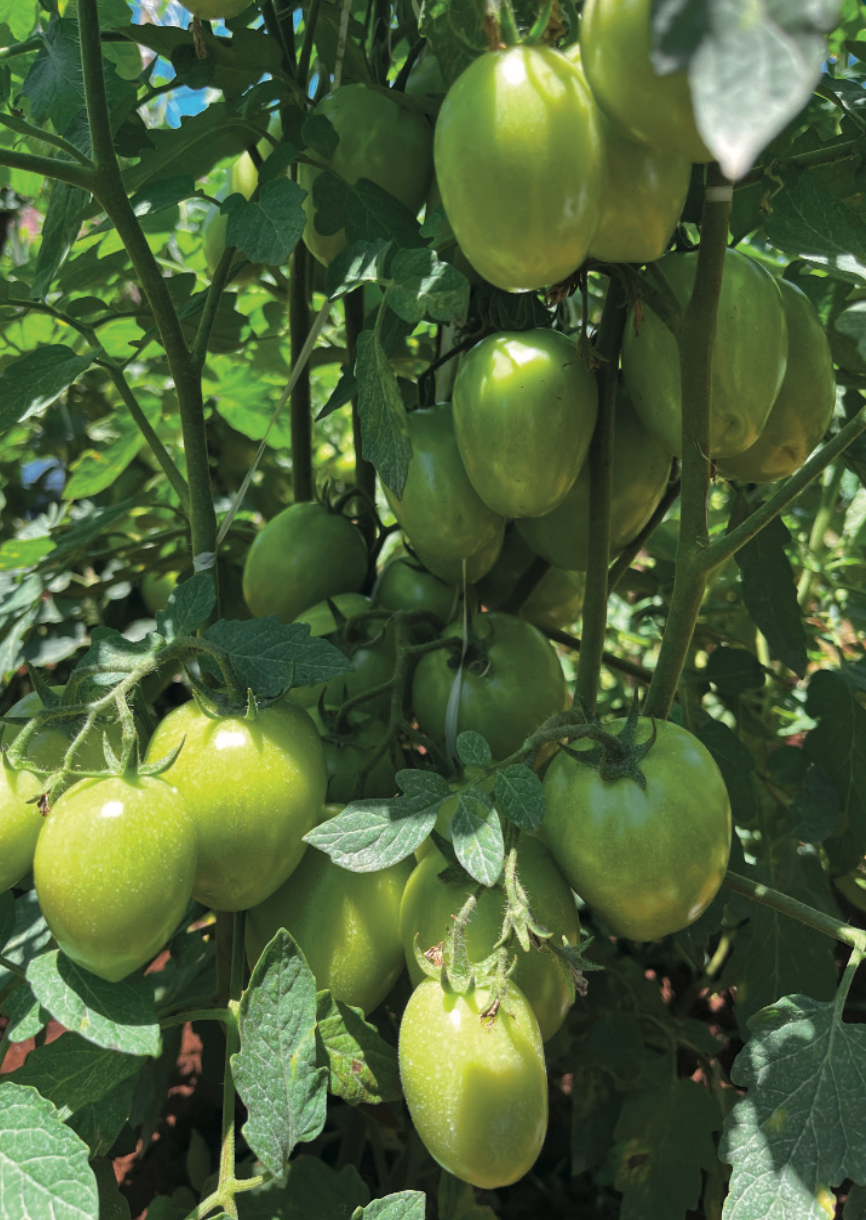
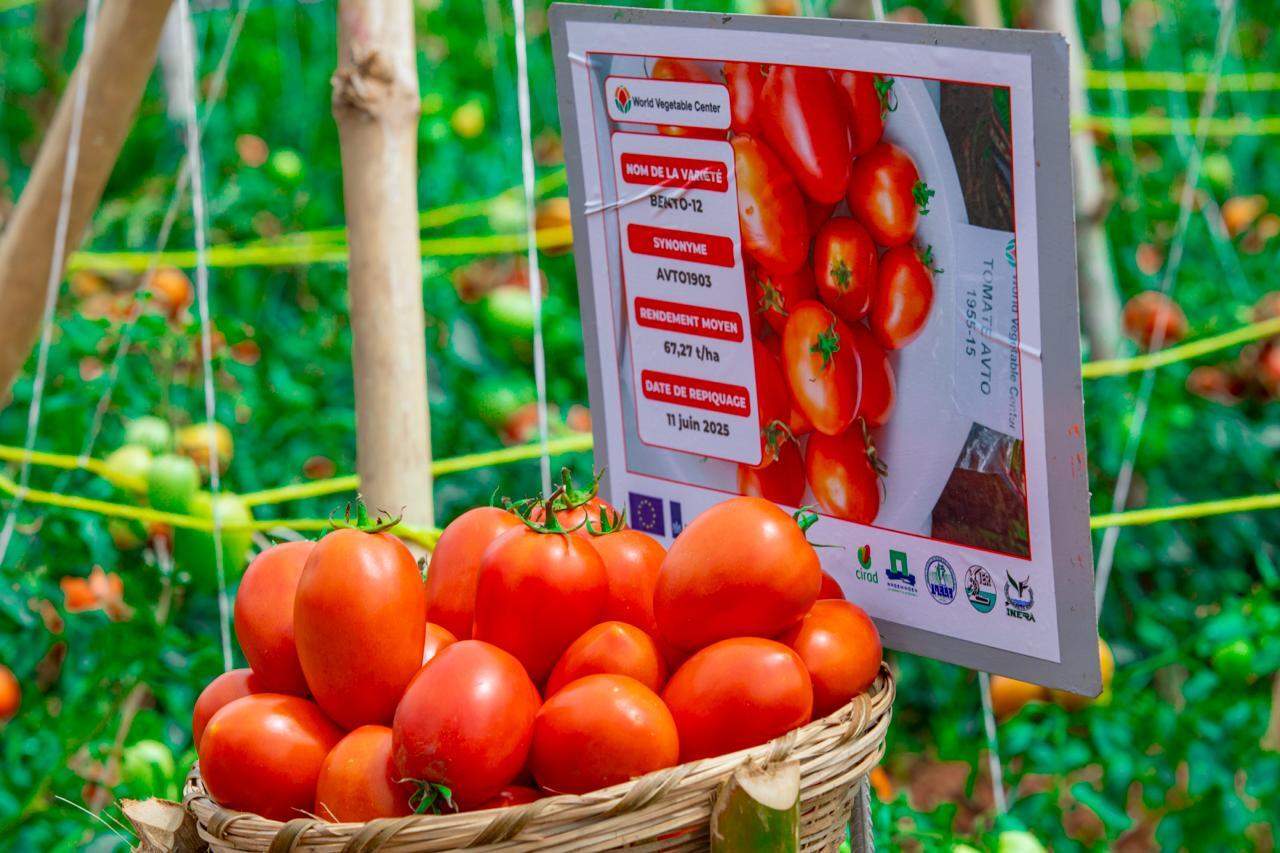
These tomato varieties, developed by the World Vegetable Center, are designed for fresh markets (red fruits with different shapes and sizes) and include options that are resistant or tolerant to bacterial wilt (Ralstonia solanacearum) and tomato yellow leaf curl virus (depending on the variety). They perform best in the cool season, with an average crop cycle of about 3.5 months and mean yields reported in the range of about 50.95 to 75.40 tons per hectare (variety-specific). Several varieties also show more than 15 days shelf life, which can reduce losses during marketing when handling is done well.
Secure access to quality seed by partnering with the World Vegetable Center and licensed local seed companies. Engage national seed authorities early for variety registration, licensing, and import clearance if needed.
Define the target zones using disease and production data. Prioritize areas where bacterial wilt and tomato yellow leaf curl virus are common and where farmers repeatedly lose crops.
Match varieties to local risk and market needs. Choose resistant or tolerant varieties based on the main disease pressure, and select fruit types (shape and size) that fit local market preferences.
Plan for cool-season production. Align project calendars, input delivery, and extension schedules with the cool season, where these varieties perform best.
Organize local seed multiplication and quality control. Use trained seed multipliers or certified cooperatives. Emphasize field hygiene and removal of off-type plants to maintain seed quality (important for open-pollinated varieties).
Set up demonstration plots and farmer learning sites. Use them to show (i) survival under bacterial wilt pressure, (ii) reduced losses linked to tomato yellow leaf curl virus, (iii) yield performance, and (iv) fruit quality and shelf life compared to common local varieties.
Promote practical crop management that protects results. Include good nursery and transplanting practices, staking, irrigation management, and field sanitation. Note that these varieties are reported as sensitive to late blight, so disease monitoring and appropriate control measures should be included in extension messages.
Plan marketing and postharvest handling. Where shelf life is more than 15 days (variety-specific), support aggregation and transport planning to reduce market losses and increase returns.
Build simple communication materials. Use clear messages in local languages: “less crop loss from bacterial wilt,” “more stable harvest,” “red fruits for the fresh market,” and “better keeping quality for transport” (where relevant).
Track performance and adoption. Monitor seed distribution, adoption rate, disease incidence, yield, and market outcomes each season. Use the evidence to refine variety choice and scale-up strategy.
Every USD invested returns USD 1.93 net income.
average yield
Open source / open access
Scaling Readiness describes how complete a technology's development is and its ability to be scaled. It produces a score that measures a technology's readiness along two axes: the level of maturity of the idea itself, and the level to which the technology has been used so far.
Each axis goes from 0 to 9 where 9 is the “ready-to-scale” status. For each technology profile in the e-catalogs we have documented the scaling readiness status from evidence given by the technology providers. The e-catalogs only showcase technologies for which the scaling readiness score is at least 8 for maturity of the idea and 7 for the level of use.
The graph below represents visually the scaling readiness status for this technology, you can see the label of each level by hovering your mouse cursor on the number.
Read more about scaling readiness ›
Uncontrolled environment: validated
Common use by projects NOT connected to technology provider
| Maturity of the idea | Level of use | |||||||||
| 9 | ||||||||||
| 8 | ||||||||||
| 7 | ||||||||||
| 6 | ||||||||||
| 5 | ||||||||||
| 4 | ||||||||||
| 3 | ||||||||||
| 2 | ||||||||||
| 1 | ||||||||||
| 1 | 2 | 3 | 4 | 5 | 6 | 7 | 8 | 9 | ||
|
Target groups |
Positive impacts |
|---|---|
|
Under 18 (children & youth) |
• Improved nutrition and household food security. • Income from tomato farming helps pay school fees. • Youth agribusiness opportunities. |
|
Adults (18 +) |
• Higher and more stable yields. • Better fruit quality and longer shelf life. • Improved income and poverty reduction. |
|
Women |
• Participation in variety selection and testing. • Higher yields and improved fruit quality. • Income generation and enhanced food security. |
|
Low‑income households |
• Income growth and poverty reduction. • Improved nutrition. • Ability to save seed (open‑pollinated varieties). |
|
Target groups |
Unintended impact |
Mitigation action (concise) |
|---|---|---|
|
Under 18 |
• Risk of child labour due to increased workload. • Pesticide exposure when children help in fields. |
• Enforce child labour safeguards and support youth education. • Train households on safe pest management and alternatives. |
|
Adults (18 +) |
• Market volatility from oversupply. • Over‑reliance on pesticides. • Climate and disease shocks. |
• Strengthen market linkages and post‑harvest processing. • Promote integrated pest management. • Encourage climate‑smart practices and diversification. |
|
Women |
• Unequal access to resources and profits. • Increased workload without equitable benefits. • Health risks from agrochemicals. |
• Improve women’s land and input access through gender‑responsive policies. • Support women’s cooperatives and collective marketing. • Provide training on safe pesticide handling. |
|
Low‑income households |
• High initial seed and input costs. • Price instability and post‑harvest losses. • Debt risk from loans. |
• Offer targeted subsidies and microcredit. • Invest in low‑cost post‑harvest technologies and market linkages. • Align credit repayment with planting seasons. |
|
Target groups |
Barriers |
Mitigation action |
|---|---|---|
|
Under 18 |
• Limited access to land and capital for young people. • Few youth‑oriented extension services. |
• Provide youth‑specific financing and land lease schemes. • Include youth in extension and agribusiness training. |
|
Adults (18 +) |
• High input costs and limited credit. • Inadequate irrigation and water infrastructure. • Poor access to certified seed. |
• Offer affordable credit and input subsidies. • Invest in irrigation and water management. • Strengthen certified seed production and distribution. |
|
Women |
• Limited access to land, credit and irrigation. • Male‑biased seed and extension systems. • Cultural norms limiting women’s decision‑making. |
• Secure land tenure and improve women’s access to credit and inputs. • Tailor extension programs to women’s needs and schedules. • Support women‑led cooperatives and group marketing. |
|
Low‑income households |
• Lack of loans and cooperative membership. • Small land sizes and lack of irrigation. • Reliance on informal seed sources. |
• Expand microcredit and cooperative membership. • Invest in small‑scale irrigation and water harvesting. • Improve formal seed supply chains and community seed banks. |
|
Cost of the investment Sum of all fixed and operational expenses. |
USD 3,703 per season per hectare |
|---|---|
|
Gross revenue Sum of all income before subtracting costs. |
USD 10,868 per season per hectare |
|
Net income Gross revenue minus total cost. |
USD 7,165 per season per hectare |
|
Return on investment Percentage of income earned for each dollar invested, calculated as: (income ÷ cost of investment) × 100 |
193 % per season |
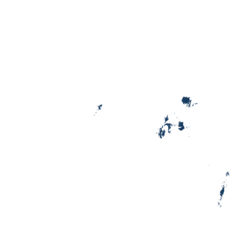
| Country | Testing ongoing | Tested | Adopted |
|---|---|---|---|
| Benin | –No ongoing testing | Tested | Adopted |
| Burkina Faso | –No ongoing testing | Tested | Adopted |
| Djibouti | –No ongoing testing | Tested | Adopted |
| Ghana | –No ongoing testing | –Not tested | Adopted |
| Mali | –No ongoing testing | Tested | Adopted |
| Tanzania, United Republic | –No ongoing testing | Tested | –Not adopted |
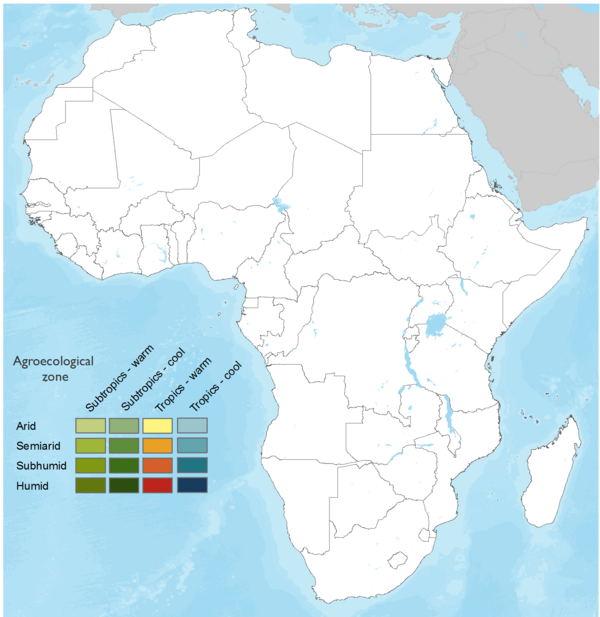
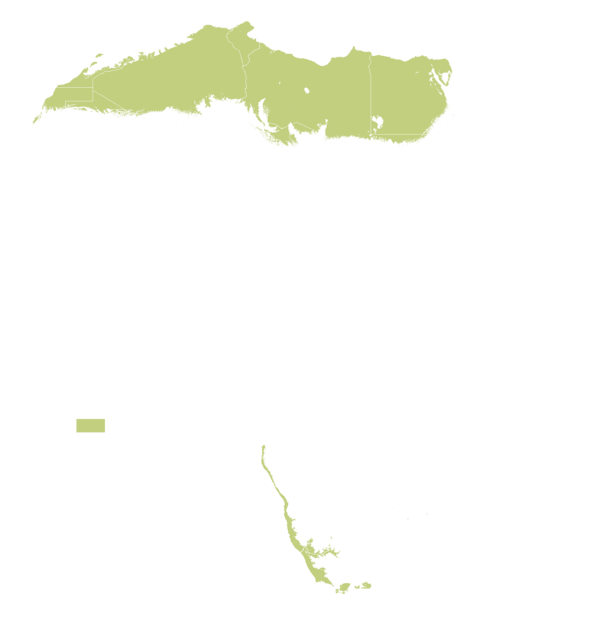
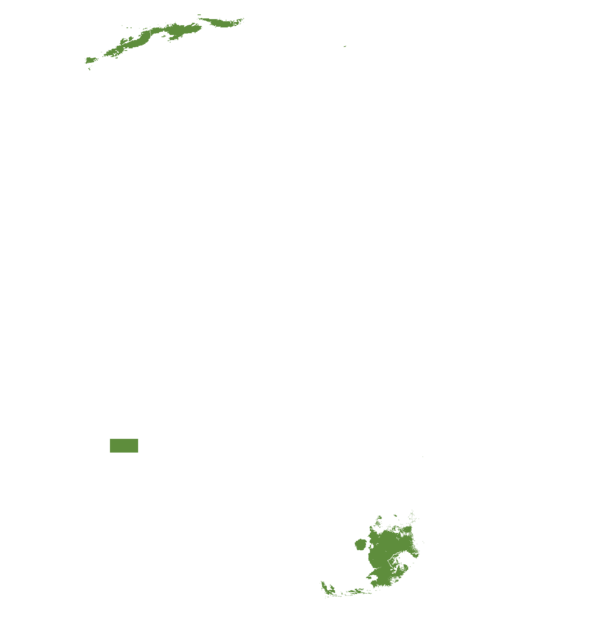
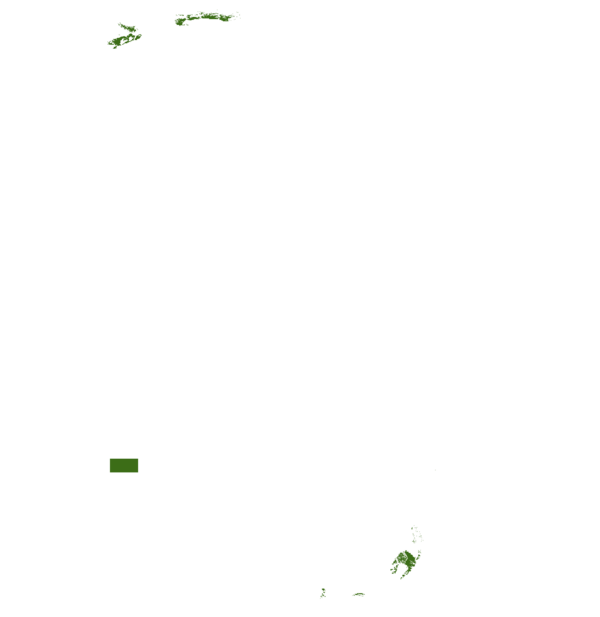
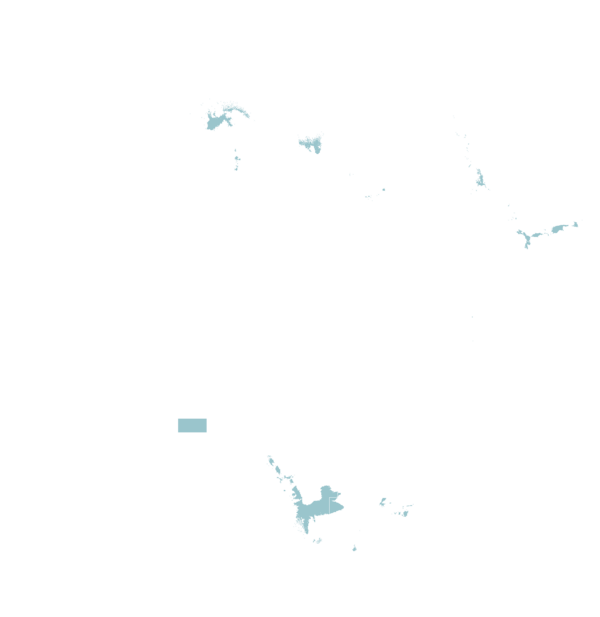
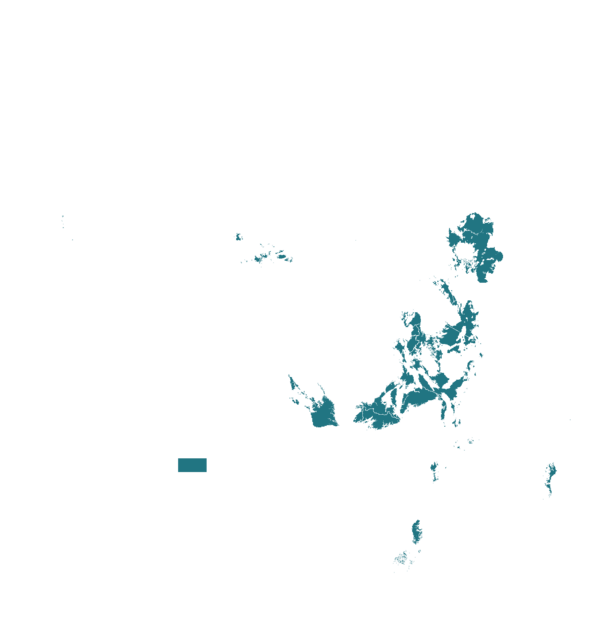
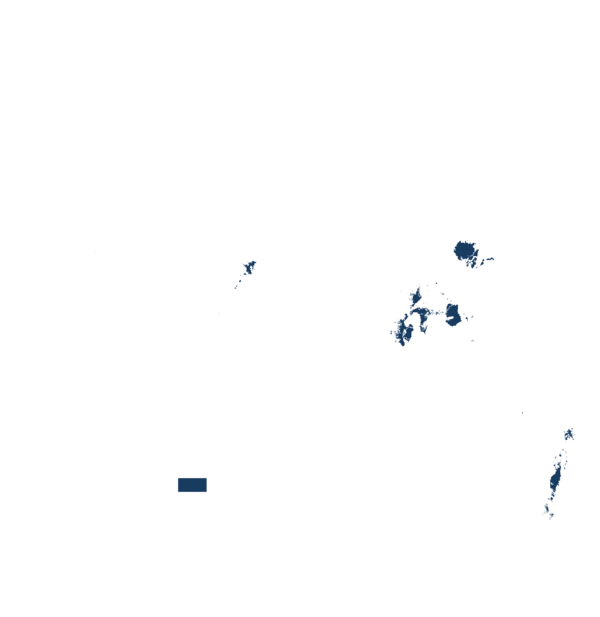
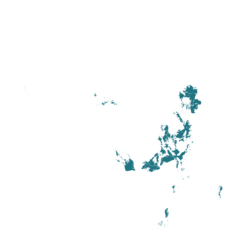
This technology can be used in the colored agro-ecological zones. Any zones shown in white are not suitable for this technology.




| AEZ | Subtropic - warm | Subtropic - cool | Tropic - warm | Tropic - cool |
|---|---|---|---|---|
| Arid | – | |||
| Semiarid | – | |||
| Subhumid | – | – | ||
| Humid | – | – |
Source: HarvestChoice/IFPRI 2009
The United Nations Sustainable Development Goals that are applicable to this technology.

Better tomato yields and disease resistance reduce crop loss and increase farmer income.
Higher yields and stable production increase tomato availability for households and markets.

Tomatoes are a good source of vitamin C and other nutrients; improved varieties make these more accessible.

Women farmers participating in improved tomato projects report higher yields and incomes, promoting their economic empowerment.
Adoption of integrated pest management and natural fertilizers improves soil quality and reduces chemical inputs.

Open‑pollinated varieties have wide genetic diversity and can adapt to diverse climates; disease resistance and climate‑smart practices help farmers manage climate‑related stresses.

Open‑pollinated seeds support on‑farm biodiversity by preserving genetic diversity within crops.
Select the variety to multiply based on your target market and the main diseases in the area (bacterial wilt and tomato yellow leaf curl virus).
Use true-to-type plants: keep only healthy plants that match the variety’s main fruit traits (shape, size, red color at maturity).
Keep the seed plot clean and well managed (good field hygiene, remove off-type plants early) to maintain seed quality.
Harvest fully mature fruits for seed extraction (avoid damaged or diseased fruits).
Extract, clean, dry, and store seed properly to maintain germination and quality.
These are open-pollinated varieties, so seed multiplication is feasible through local seed producers and farmer groups.
Reference manual here https://worldveg.tind.io/record/74647?v=pdf
Choose the right variety for your field conditions, especially where bacterial wilt or tomato yellow leaf curl virus is common (pick resistant or tolerant varieties depending on the line).
Plan production for the cool season (these varieties are indicated as performing best in cool-season conditions).
Follow standard good practices for tomato (nursery management, transplanting, staking, timely watering, and field hygiene) to protect yield and fruit quality.
Harvest at the right maturity stage for the target market; several varieties have longer shelf life (more than 15 days), which helps marketing and transport when handled well.
Expect a crop cycle of about 3.5 months and mean yields that vary by variety (reported range about 50.95 to 75.40 tons per hectare).
Last updated on Oct 21, 2026
This technology can be used in the colored agro-ecological zones.







Disease Resilient and Market-Preferred Tomato Varieties
https://e-catalogs.taat-africa.org/gov/technologies/disease-resilient-and-market-preferred-tomato-varieties
Last updated on 21 October 2026, printed on Oct 22, 2026
Enquiries e-catalogs@taat.africa