Logo
TAAT e-catalog for government
https://e-catalogs.taat-africa.org/gov/technologies/capacity-building-strategies-on-cassava-seed-system
Request information View pitch brochure

Capacity Building Strategies on Cassava Seed System

From Knowledge to Yield — Empowering Cassava Seed Systems.

Building Capacity is a practical, strategy-driven toolkit designed to strengthen cassava seed systems by addressing the core capacity gaps faced by seed producers. It offers tailored training resources, business development tools, and partnership frameworks to improve technical skills, market access, and regulatory collaboration. By equipping actors with the right knowledge and support, Building Capacity enhances seed quality, boosts productivity, and promotes a sustainable, profitable future for cassava and other vegetatively propagated crops.

This technology is pre-validated.

9•8

Scaling readiness: idea maturity 9/9; level of use 8/9

Adults 18 and over: Positive high

The poor: Positive high

Under 18: Positive medium

Women: Positive high

Climate adaptability: Highly adaptable

Farmer climate change readiness: Significant improvement

Biodiversity: Positive impact on biodiversity

Carbon footprint: Much less carbon released

Environmental health: Does not improve environmental health

Soil quality: Does not affect soil health and fertility

Water use: Same amount of water used

Problem

  • Limited technical capacity: Gaps in seed production knowledge affect the availability and quality of cassava planting material.
  • Weak seed enterprise management: Poor business and financial management limits the development and sustainability of seed enterprises.
  • Weak market linkages: Poor connections between seed producers and markets limit the development of an efficient cassava seed system.
  • Limited regulatory collaboration: Weak coordination between seed producers and regulatory agencies affects certification and compliance.
  • Limited capacity-building systems: Generic training does not adequately address the specific technical, business, and regulatory needs of seed producers.

Solution

  • Tailored capacity building: The toolkit provides needs-based training for technical, business, and regulatory capacity gaps.
  • Seed enterprise development: Business tools strengthen the management and sustainability of seed-producing enterprises.
  • Market system strengthening: Market-focused training helps producers understand demand and improve connections with buyers.
  • Regulatory partnerships: Collaboration with regulatory agencies supports compliance and improved seed certification.
  • Monitoring and learning systems: Learning indicators help institutions track improvements in producer capacity, seed quality, and business performance.

Key points to design your project

The Building Capacity toolkit offers a structured, strategy-driven approach to strengthen cassava seed systems by addressing critical capacity gaps among seed producers. It provides tailored training resources, business tools, and partnership frameworks to enhance technical know-how, market readiness, and regulatory alignment. By fostering strong, skilled seed enterprises, the toolkit supports higher seed quality, improved productivity, and a more profitable, sustainable future for cassava and other vegetatively propagated crops.

To implement the Building Capacity toolkit effectively, follow these key steps:

  1. Identify and Profile Seed Producers
    Map out seed producers by type, scale, and location to understand their production capacity and quality assurance status.
  2. Conduct a Needs Assessment
    Assess the technical, business, and regulatory gaps faced by each seed producer to tailor capacity-building interventions.
  3. Design a Tailored Training Curriculum
    Develop training modules based on the assessment, addressing core issues like seed production techniques, business development, and compliance with seed regulations.
  4. Facilitate Practical Trainings
    Deliver structured training sessions through workshops and on-farm demonstration trials to provide hands-on learning and real-world application.
  5. Establish Strategic Partnerships
    Collaborate with research institutions, extension services, and regulatory agencies to align training content with national guidelines and ensure long-term support.
  6. Monitor Progress with Learning Indicators
    Use predefined metrics to track improvements in seed quality, business growth, and technical capacity across training cycles.
  7. Institutionalize a Train-the-Trainers Model
    Build a local network of trainers to scale knowledge transfer and ensure ongoing support for emerging seed entrepreneurs.

By following these steps, stakeholders can use the Building Capacity toolkit to develop resilient, inclusive seed systems that promote entrepreneurship, food security, and climate-smart agriculture.

3,000 USD

Training manual development

3,000 USD

Training Venue and other facilities

10,000 USD

Facilitators Expense

10,800 USD

Cost of printing the training materials

IP

Unknown

Scaling Readiness describes how complete a technology's development is and its ability to be scaled. It produces a score that measures a technology's readiness along two axes: the level of maturity of the idea itself, and the level to which the technology has been used so far.

Each axis goes from 0 to 9 where 9 is the “ready-to-scale” status. For each technology profile in the e-catalogs we have documented the scaling readiness status from evidence given by the technology providers. The e-catalogs only showcase technologies for which the scaling readiness score is at least 8 for maturity of the idea and 7 for the level of use.

The graph below represents visually the scaling readiness status for this technology, you can see the label of each level by hovering your mouse cursor on the number.

Read more about scaling readiness ›

Scaling readiness score of this technology

Maturity of the idea 9 out of 9

Uncontrolled environment: validated

Level of use 8 out of 9

Used by some intended users, in the real world

Maturity of the idea Level of use
9
8
7
6
5
4
3
2
1
1 2 3 4 5 6 7 8 9

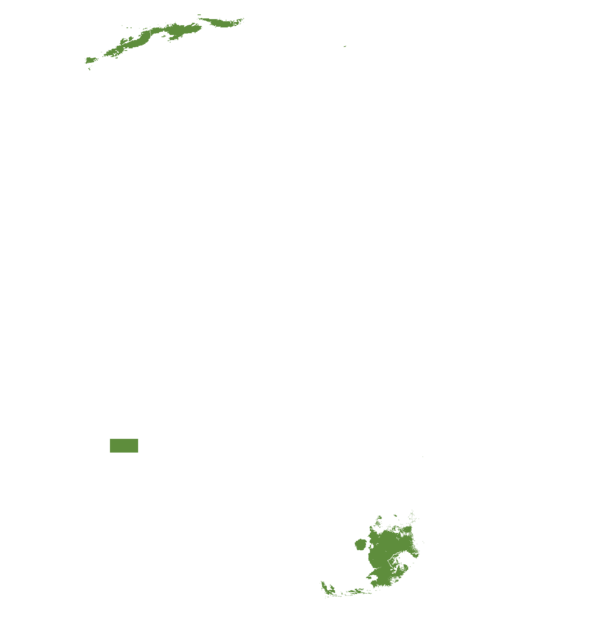
Countries with a green colour
Tested & adopted
Countries with a bright green colour
Adopted
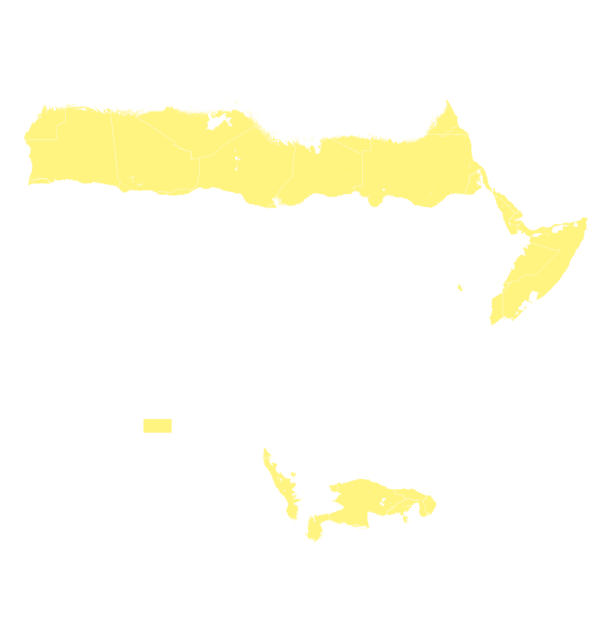
Countries with a yellow colour
Tested
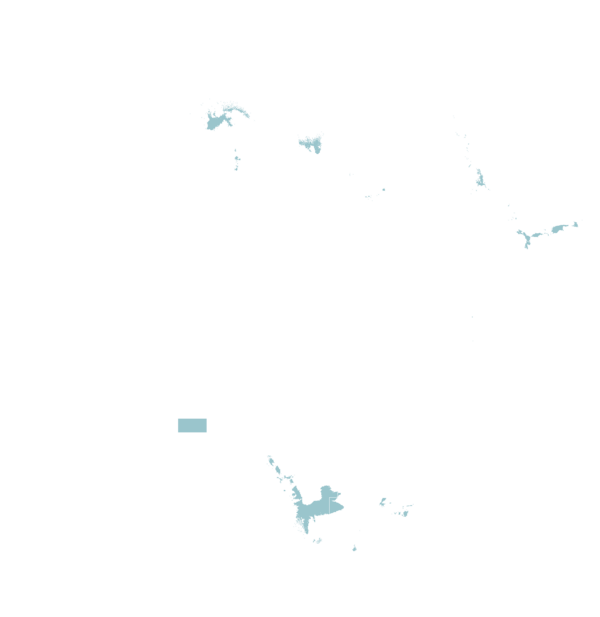
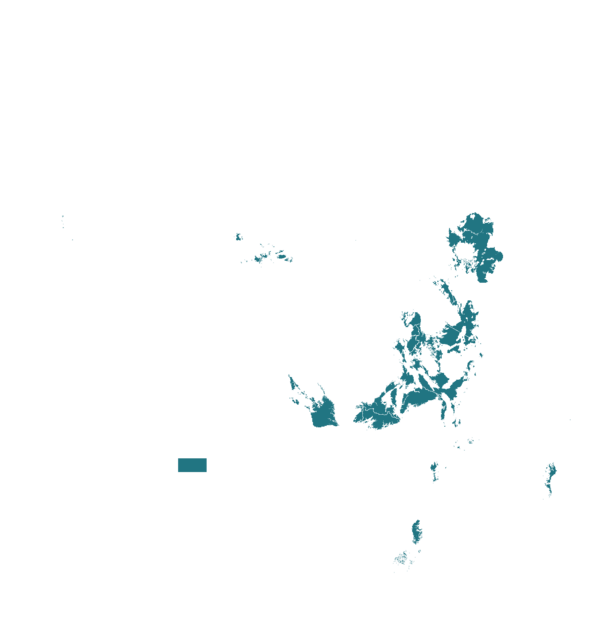
Countries with a blue colour
Testing ongoing
Egypt Equatorial Guinea Ethiopia Algeria Angola Benin Botswana Burundi Burkina Faso Democratic Republic of the Congo Djibouti Côte d’Ivoire Eritrea Gabon Gambia Ghana Guinea Guinea-Bissau Cameroon Kenya Libya Liberia Madagascar Mali Malawi Morocco Mauritania Mozambique Namibia Niger Nigeria Republic of the Congo Rwanda Zambia Senegal Sierra Leone Zimbabwe Somalia South Sudan Sudan South Africa Eswatini Tanzania Togo Tunisia Chad Uganda Western Sahara Central African Republic Lesotho
Countries where the technology is being tested or has been tested and adopted
Country Testing ongoing Tested Adopted
Ghana –No ongoing testing –Not tested Adopted
Nigeria –No ongoing testing –Not tested Adopted

This technology can be used in the colored agro-ecological zones. Any zones shown in white are not suitable for this technology.
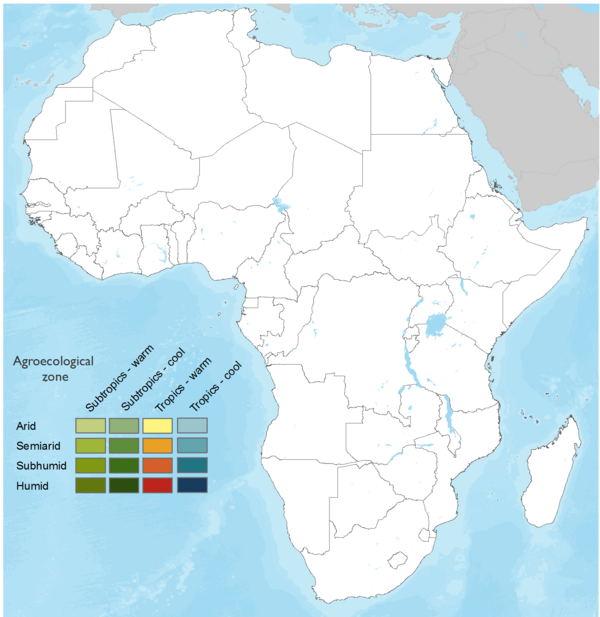
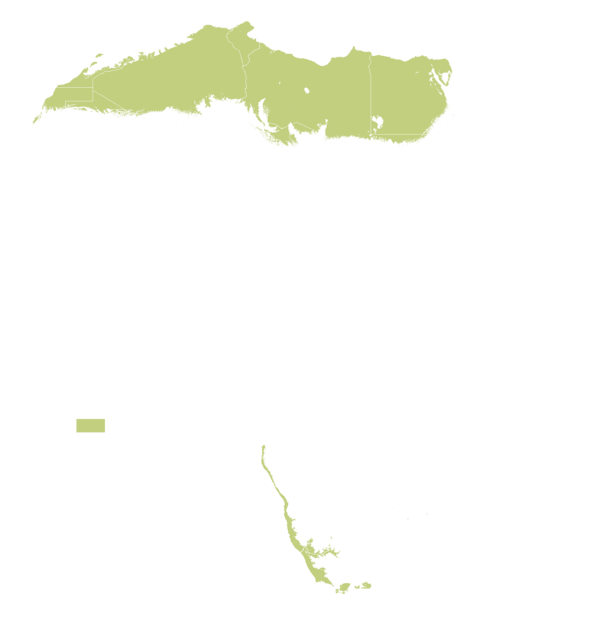
Agro-ecological zones where this technology can be used
AEZ Subtropic - warm Subtropic - cool Tropic - warm Tropic - cool
Arid
Semiarid
Subhumid
Humid

Source: HarvestChoice/IFPRI 2009

The United Nations Sustainable Development Goals that are applicable to this technology.

Sustainable Development Goal 1: no poverty
Goal 1: no poverty
Sustainable Development Goal 2: zero hunger
Goal 2: zero hunger
Sustainable Development Goal 8: decent work and economic growth
Goal 8: decent work and economic growth
Sustainable Development Goal 12: responsible production and consumption
Goal 12: responsible production and consumption

  1. Identify Seed Producers
    Start by mapping who the seed producers are—by location, scale, and type of cassava or other vegetatively propagated crops they grow.
  2. Conduct a Needs Assessment
    Interview and assess producers to understand their skill gaps in technical areas, business development, and regulatory compliance.
  3. Develop a Customized Training Plan
    Based on the assessment, create a training program tailored to each producer group’s needs, using ready-to-go training materials provided in the toolkit.
  4. Organize Trainings and Field Demonstrations
    Deliver practical, hands-on training sessions—both classroom-style and on demonstration farms—covering seed production, quality assurance, and marketing.
  5. Link with Partners and Experts
    Engage with seed regulatory bodies, research institutions, and extension services to provide expert input and ensure training follows official guidelines.
  6. Monitor Progress and Results
    Use simple tracking tools and learning indicators from the toolkit to measure skill improvements, seed quality upgrades, and market performance over time.

Last updated on Sep 21, 2026