TAAT e-catalog
for
private sector
https://e-catalogs.taat-africa.org/com/technologies/improved-cowpea-varieties-short-duration-white-cowpea-varieties-for-boiled-grain-market
High-yielding, early maturing, and striga-resistant cowpea varieties for farmers!
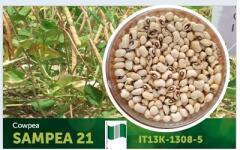
The IITA improved cowpea varieties are short-duration white cowpeas that mature within 65–76 days, producing high yields above 1.5 t/ha, significantly higher than traditional varieties. They are resistant to Striga, Alectra, and other key diseases, ensuring stable production even under challenging conditions. The seeds are medium to large with an attractive white color, fast-cooking yet maintaining their integrity when boiled, which makes them highly preferred by consumers. These varieties are well-adapted to the Guinea, Sahel and Sudan Savanna zones, providing an excellent opportunity for seed companies and agribusinesses to meet growing market demand.
This technology is pre-validated.
No formal IP rights
Producing Improved Cowpea Varieties enhances cowpea yields despite challenges like Striga, Alectra, drought, and low soil fertility. This improves food security, increases farmer incomes, and contributes to poverty reduction. Additionally, it provides opportunities for nutrition improvement and rural employment.
To successfully navigate this market, you need to know where to source seeds (IITA, national breeding programs, certified seed companies in Nigeria and other Sahel/Sudan Savanna countries), identify efficient transportation methods, and explore suitable storage facilities.
To multiply seeds effectively, you need to stock up on Foundation or Registered Seed, depending on your position in the seed development process. Private and cooperative enterprises must engage in technology transfer agreements with breeding centers to produce basic and certified seed, adhering to licensing schemes and national regulations.
Your potential customers are: wholesale distributors, retailers, farmer cooperatives, government projects, and NGOs.
Building strong partnerships with wholesale distributor networks is key to the success of your business.
Selling Improved Cowpea Varieties not only provides a valuable product but also fosters closer engagement with users while supporting food security, farmer incomes, and poverty reduction.
To successfully navigate this market, you need to know where to source seeds in bulk (IITA, national programs, certified seed companies), identify efficient transportation methods, and explore suitable storage facilities.
Your potential customer base is: small, local retailers, development projects, producers, and farmer cooperatives or associations.
Using Improved Cowpea Varieties offers a cost-effective, sustainable solution to increase cowpea yields despite pest, disease, and climate challenges, enhancing food security, nutrition, and livelihoods.
As key partners, you need reliable seed sellers of these improved varieties. You also need to estimate potential profit realized through increased yields, better grain quality, and reduced losses from pests and weeds.
Adults 18 and over: Positive high
Provide good nutrition, employment, and household income for most farmers
Others: Positive high
Animal industry: Source of fodder for animal feed
The poor: Positive high
Cheap source of protein and generates income for the poor
Under 18: Positive medium
Provides good nutrition
Women: Positive high
Source of income for women, easy to cook, saves women time, and energy saving as well
Climate adaptability: Highly adaptable
The technology was designed for adaptation in the dry Savanna, especially the Shael and Sudan Savannas agroecologies
Farmer climate change readiness: Significant improvement
The technology is packed with drought-tolerant varieties, protecting farmers' production in drought-prone areas and periods.
Biodiversity: Positive impact on biodiversity
Soil conservation and fertility restoration due to its nitrogen-fixing capability
Carbon footprint: Same amount of carbon released
During decomposition, cowpea plants release carbon, with studies showing that 60-64% of the initial plant carbon can be lost as CO2 within 68 days. This carbon release is a natural part of the carbon cycle and contributes to soil health and nutrient cycling
Environmental health: Greatly improves environmental health
Cowpea farming can contribute to environmental health in several ways, primarily through improved soil fertility, increased carbon sequestration, and reduced reliance on synthetic fertilizers and pesticides.
Soil quality: Improves soil health and fertility
By fixing nitrogen in the soil and improving soil structure, cowpea farming can help build healthier soils, reduce greenhouse gas emissions, and enhance overall ecosystem resilience
Water use: Much less water used
These drought tolerant varieties require less water for growth and development
Scaling Readiness describes how complete a technology's development is and its ability to be scaled. It produces a score that measures a technology's readiness along two axes: the level of maturity of the idea itself, and the level to which the technology has been used so far.
Each axis goes from 0 to 9 where 9 is the “ready-to-scale” status. For each technology profile in the e-catalogs we have documented the scaling readiness status from evidence given by the technology providers. The e-catalogs only showcase technologies for which the scaling readiness score is at least 8 for maturity of the idea and 7 for the level of use.
The graph below represents visually the scaling readiness status for this technology, you can see the label of each level by hovering your mouse cursor on the number.
Read more about scaling readiness ›
Uncontrolled environment: validated
Common use by projects NOT connected to technology provider
| Maturity of the idea | Level of use | |||||||||
| 9 | ||||||||||
| 8 | ||||||||||
| 7 | ||||||||||
| 6 | ||||||||||
| 5 | ||||||||||
| 4 | ||||||||||
| 3 | ||||||||||
| 2 | ||||||||||
| 1 | ||||||||||
| 1 | 2 | 3 | 4 | 5 | 6 | 7 | 8 | 9 | ||
| Project | Countries | Beneficiaries | Budget (USD) & duration | Key figures |
|---|---|---|---|---|
|
ESFSP Emergency Support to Food Security Project |
|
|
6.5 million African Development Bank (AfDB) 2022–2024 |
|
|
PURPA Projet d’Urgence pour le Renforcement de la Production Agricole |
|
|
38.87 million African Development Bank (AfDB) 2022–2024 |
|
|
SSEFPP-1 SSEFPP-1 Emergency Food Production Plan |
|
|
8.1 million African Development Bank (AfDB) 2022–2023 |
|
Figures in italic are from project plans and may change during implementation.
| Country | Testing ongoing | Tested | Adopted |
|---|---|---|---|
| Benin | Testing ongoing | –Not tested | –Not adopted |
| Botswana | Testing ongoing | –Not tested | –Not adopted |
| Burkina Faso | –No ongoing testing | Tested | Adopted |
| Cameroon | Testing ongoing | –Not tested | –Not adopted |
| Central African Republic | Testing ongoing | –Not tested | –Not adopted |
| Chad | Testing ongoing | –Not tested | –Not adopted |
| Ghana | –No ongoing testing | Tested | Adopted |
| Malawi | Testing ongoing | –Not tested | –Not adopted |
| Mali | Testing ongoing | –Not tested | –Not adopted |
| Mozambique | Testing ongoing | –Not tested | –Not adopted |
| Niger | –No ongoing testing | Tested | Adopted |
| Nigeria | –No ongoing testing | Tested | Adopted |
| Senegal | Testing ongoing | –Not tested | –Not adopted |
| Sierra Leone | –No ongoing testing | Tested | Adopted |
| Somalia | Testing ongoing | –Not tested | –Not adopted |
| South Africa | Testing ongoing | –Not tested | –Not adopted |
| South Sudan | Testing ongoing | –Not tested | –Not adopted |
| Tanzania, United Republic | Testing ongoing | –Not tested | –Not adopted |
| The Republic of the Sudan | Testing ongoing | –Not tested | –Not adopted |
| Togo | Testing ongoing | –Not tested | –Not adopted |
| Zambia | Testing ongoing | –Not tested | –Not adopted |
| Zimbabwe | Testing ongoing | –Not tested | –Not adopted |
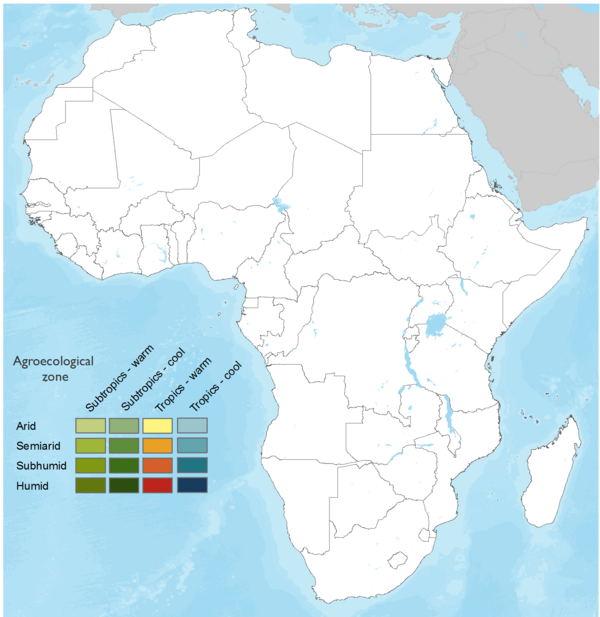
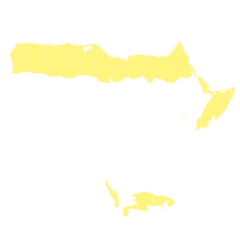
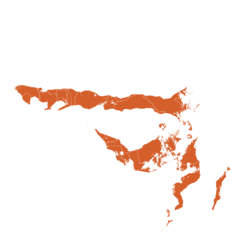
This technology can be used in the colored agro-ecological zones. Any zones shown in white are not suitable for this technology.
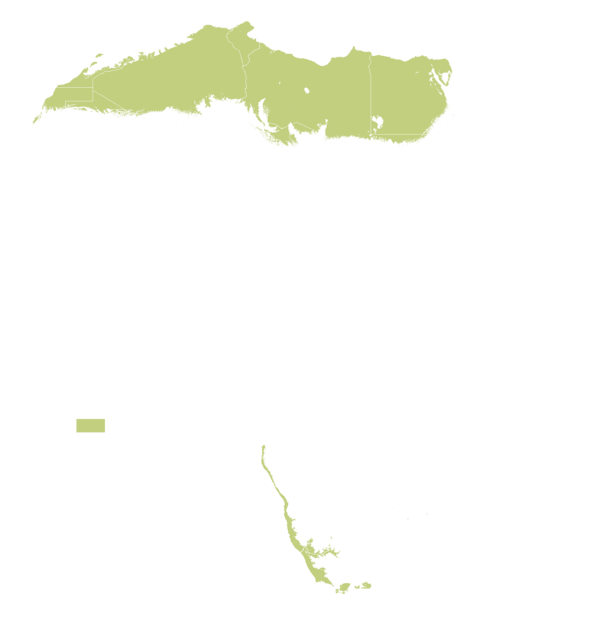


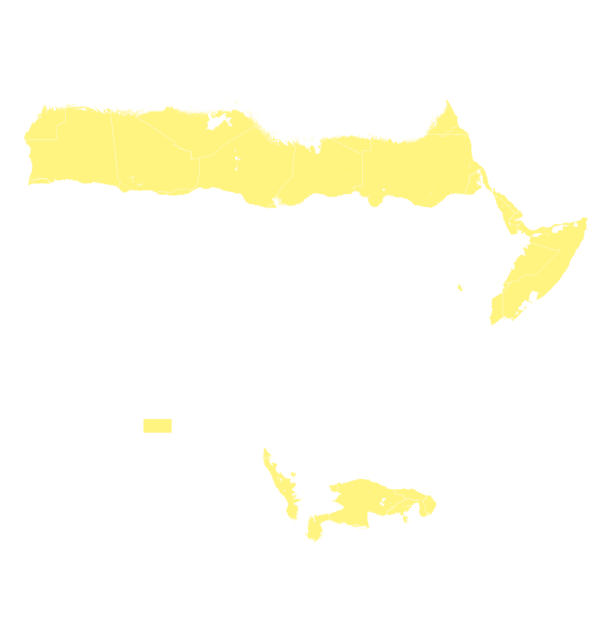


| AEZ | Subtropic - warm | Subtropic - cool | Tropic - warm | Tropic - cool |
|---|---|---|---|---|
| Arid | – | – | ||
| Semiarid | – | – | ||
| Subhumid | – | – | ||
| Humid | – | – | – | – |
Source: HarvestChoice/IFPRI 2009
The United Nations Sustainable Development Goals that are applicable to this technology.
Technology generates income for farmers, driving them out of poverty
Technology provides affordable and nutritious food ,contributing to hunger alleviation

Technology provides a cheap source of protein and micronutrients required for good health
This is a climate-smart technology; the varieties are drought-tolerant
Good Agronomic Practices for Improved Cowpea Varieties
Last updated on Sep 10, 2026
This technology can be used in the colored agro-ecological zones.






Improved Cowpea Varieties: Short Duration White Cowpea Varieties for Boiled Grain Market
https://e-catalogs.taat-africa.org/com/technologies/improved-cowpea-varieties-short-duration-white-cowpea-varieties-for-boiled-grain-market
Last updated on 10 September 2026, printed on Oct 24, 2026
Enquiries e-catalogs@taat.africa