
TAAT e-catalog
for
private sector
https://e-catalogs.taat-africa.org/com/technologies/high-biomass-megathyrsus-panicum-forage-cultivars-for-cut-and-carry-and-grazing
High-biomass, drought-tolerant forage for reliable feed all year
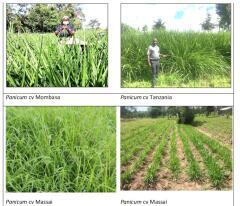
This technology is a set of improved Megathyrsus maximus (syn. Panicum maximum) forage grass cultivars for livestock feeding: Mombasa, Tanzania, and Massai. They are improved forage grasses developed to deliver high biomass yields (10–20 t DM/ha/year) under tropical conditions. Selected for drought tolerance (500–600 mm rainfall) and good nutritional quality (8–12% crude protein; 55–65% digestibility), they ensure reliable year-round feed supply. Established through seeding or splits in well-prepared seedbeds, these cultivars show rapid regrowth and strong persistence, while their deep root systems improve soil structure and reduce erosion, supporting sustainable livestock production systems.
This technology is pre-validated.
Every USD invested returns USD 6.8 net income.
Open source / open access
Seasonal Feed Shortages and Declining Livestock Productivity:
Climate Variability and Drought Stress:
Soil Degradation and Low Pasture Sustainability:
The commercialization of Megathyrsus maximus cultivars offers a viable, high-return alternative to low-productivity natural pastures in livestock systems. With biomass yields of 10–20 t DM/ha/year compared to 2–4 t DM/ha/year from traditional grazing lands, this climate-smart forage significantly increases feed availability, stabilizes animal performance, and reduces seasonal production losses. Its drought tolerance (500–600 mm/year), strong persistence under grazing, and rapid regrowth make it a reliable, scalable input for dairy and beef value chains.
By supplying certified seed of improved cultivars such as Mombasa, Tanzania, and Massai, seed companies and agri-enterprises can address chronic feed shortages while positioning themselves within the growing climate-smart livestock market. The technology requires relatively low infrastructure investment, offers strong repeat demand, and creates opportunities for decentralized seed multiplication and distribution networks. It supports expansion of commercial forage markets, strengthens livestock productivity, and enhances resilience across the value chain.
To integrate this technology into your agribusiness model, consider the following key steps:
Adults 18 and over: Positive high
Engagement in livestock production, hay production and sale
Others: No impact
None
The poor: Positive medium
Forage for livestock
Under 18: Positive high
Engagement in hay production and sale
Women: Positive high
Engage in production with less time looking for forage, hay production, seedling production for sale
Climate adaptability: Highly adaptable
It works well where it is adapted in the tropical and sub-tropical environments
Farmer climate change readiness: Significant improvement
The forages are relatively drought tolerant and once established do not require to be planted every season. With good management can last 10 years before re-planting again
Biodiversity: Positive impact on biodiversity
It helps them grow and thrive as creates amenable micro-environment
Environmental health: Greatly improves environmental health
Prevents soil erosion through deep roots that also sequester carbon through roots turnover. Provides soil cover and promotes biodiversity
Soil quality: Does not affect soil health and fertility
Although the grasses take nutrients from the soil for good growth and biomass accumulation, manure accumulated by animals fed on the same can be ploughed back thus nutrient cycling which is desirable
Water use: Same amount of water used
Productivity water use efficiency would be high compared to most crops as the target use is the biomass
| Project | Countries | Beneficiaries | Budget (USD) & duration | Key figures |
|---|---|---|---|---|
|
BREFOL -M Multinational - Building Climate Resilience for Food and Livelihoods Program (BREFOL) in the Horn of Africa |
|
|
169,80 million 2024–2030 |
|
|
P2-RSP2 Project 2 of the Food and Nutrition Insecurity Resilience Programme in the Sahel (P2-RSP2) – Gambia Component |
|
|
306.97 million 2025–2028 |
|
Figures in italic are from project plans and may change during implementation.
|
Cost of the investment Sum of all fixed and operational expenses.. |
USD 2,616 Per hectare over 10 years |
|---|---|
|
Gross revenue Sum of all income before subtracting costs. |
USD 20,400 Per hectare over 10 years |
|
Net income Gross revenue minus total cost. |
USD 17,784 Per hectare over 10 years |
|
Return on investment Percentage of income earned for each dollar invested, calculated as: (income ÷ cost of investment) × 100 |
680 % Over 10 years |
| Country | Testing ongoing | Tested | Adopted |
|---|---|---|---|
| Ethiopia | –No ongoing testing | –Not tested | Adopted |
| Kenya | –No ongoing testing | –Not tested | Adopted |
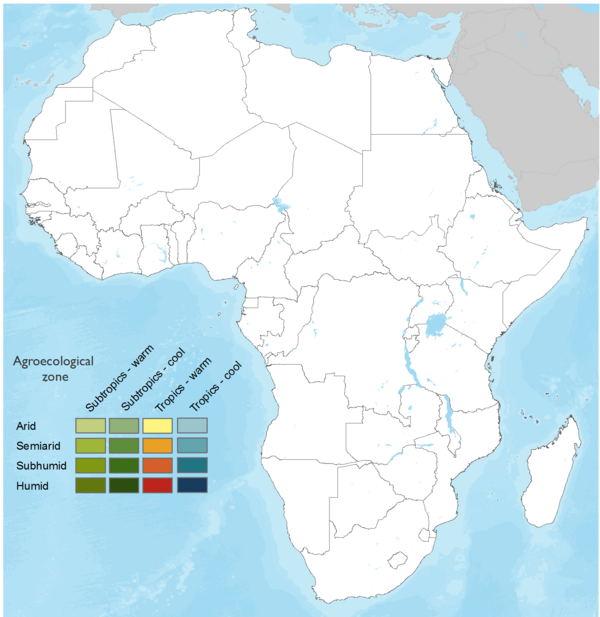
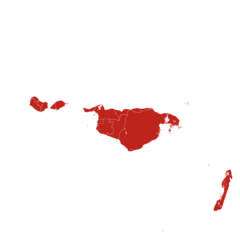
This technology can be used in the colored agro-ecological zones. Any zones shown in white are not suitable for this technology.




| AEZ | Subtropic - warm | Subtropic - cool | Tropic - warm | Tropic - cool |
|---|---|---|---|---|
| Arid | – | – | – | – |
| Semiarid | – | – | – | – |
| Subhumid | – | – | ||
| Humid | – | – |
Source: HarvestChoice/IFPRI 2009
The United Nations Sustainable Development Goals that are applicable to this technology.

Increased livestock productivity; increased incomes; income diversification
More animal source food (meat, milk) is available for humans

Creates opportunities for women and youth to participate in forage seed and forage value chains, while also reducing labor demands, especially for women.

Increases animal stocking rates and reduces environmental footprint per unit product (emission reductions, land sparing, carbon sequestration)
Last updated on Sep 9, 2026
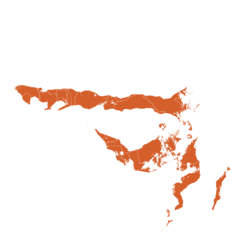
This technology can be used in the colored agro-ecological zones.




High-biomass Megathyrsus (Panicum) forage cultivars for cut-and-carry and grazing
https://e-catalogs.taat-africa.org/com/technologies/high-biomass-megathyrsus-panicum-forage-cultivars-for-cut-and-carry-and-grazing
Last updated on 9 September 2026, printed on Oct 10, 2026
Enquiries e-catalogs@taat.africa